
 IMF proposes 1% GST increase for Pakistan amid tax shortfall concerns in Budget 2026-27
KillBait - News highlights delivered clearly and responsibly—no clickbait, no sensationalism
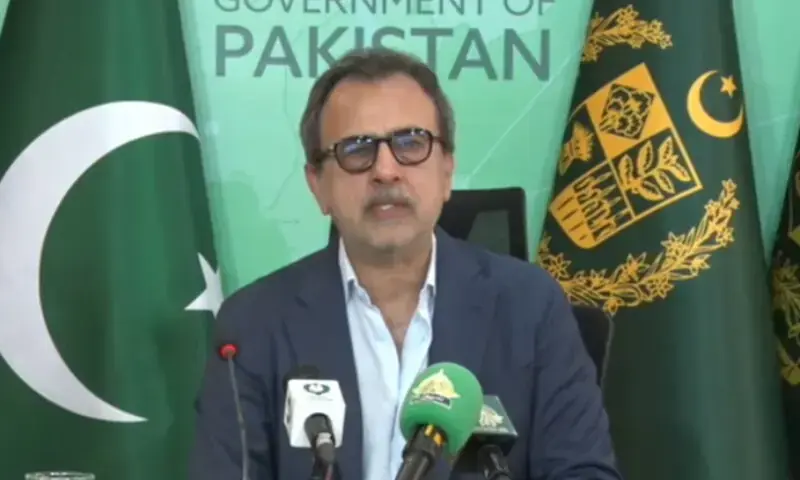
Photo: dawn.com
2026-05-31 18:56 Economy 10 


Pakistan reports limited progress in negotiations with Chinese power producers over tariff discounts
Power Minister Awais Leghari has said that Pakistan has not yet achieved meaningful progress in negotiations with Chinese power producers to secure tariff discounts under CPEC-linked power projects.
He noted that while the government has successfully renegotiated agreements with several independent power producers and public plants, generating around Rs3.5 trillion in savings, similar results have not been achieved in talks with Chinese-backed IPPs.
According to him, these projects operate under a government-to-government framework, which requires careful handling of guarantees and investment protections.The government is attempting debt reprofiling, but tangible outcomes remain limited so far.
Leghari highlighted broader reforms in the energy sector, including reduction in system losses, restructuring of state-owned power entities, and improved fiscal management, which have helped reduce the power subsidy burden from Rs1.287 trillion last year to Rs890 billion this year, with further reductions expected in the coming fiscal year.
He also pointed out that the Neelum-Jhelum Hydropower Project has remained non-operational for around 18 months due to design flaws, and repairs may take another 18 months, resulting in significant financial losses and increased reliance on costly electricity generation.
The minister added that ending cross-subsidies removed a Rs250 billion burden on industrial consumers, contributing to tariff reductions across all sectors.Between May 2024 and 2026, average domestic electricity tariffs fell by 16 percent, while industrial tariffs declined by 33 percent.Overall, the national average tariff dropped by 20 percent to Rs42.26 per unit from Rs53.04 two years earlier.
He further stated that a QR-based registration system has been launched to ensure subsidies reach only eligible consumers, with around two million users already registered.
He also projected significant growth in solar self-generation capacity in the coming decade, indicating a structural shift in Pakistan’s energy landscape.
2186
Original title: 'No sufficient outcome' yet of talks to secure discounts from Chinese power producers: Leghari
The AI system has determined that this news is not clickbait/sensationalist: : The original title is factual and directly describes the minister's statement about ongoing negotiations, without sensationalism or exaggerated claims. This has coincided with the opinion of the majority of users.
You may also be interested in...
IMF proposes 1% GST increase for Pakistan amid tax shortfall concerns in Budget 2026-27
 Pakistani freelancers earn over $950m in foreign exchange in 10 months, outperform regional peers
 Government considers removing 1pc export advance tax in upcoming budget amid industry pressure