
 Study Links North Atlantic Cold Region to Continued Weakening of the AMOC and Potential Climate Tipping Point
KillBait - News highlights delivered clearly and responsibly—no clickbait, no sensationalism
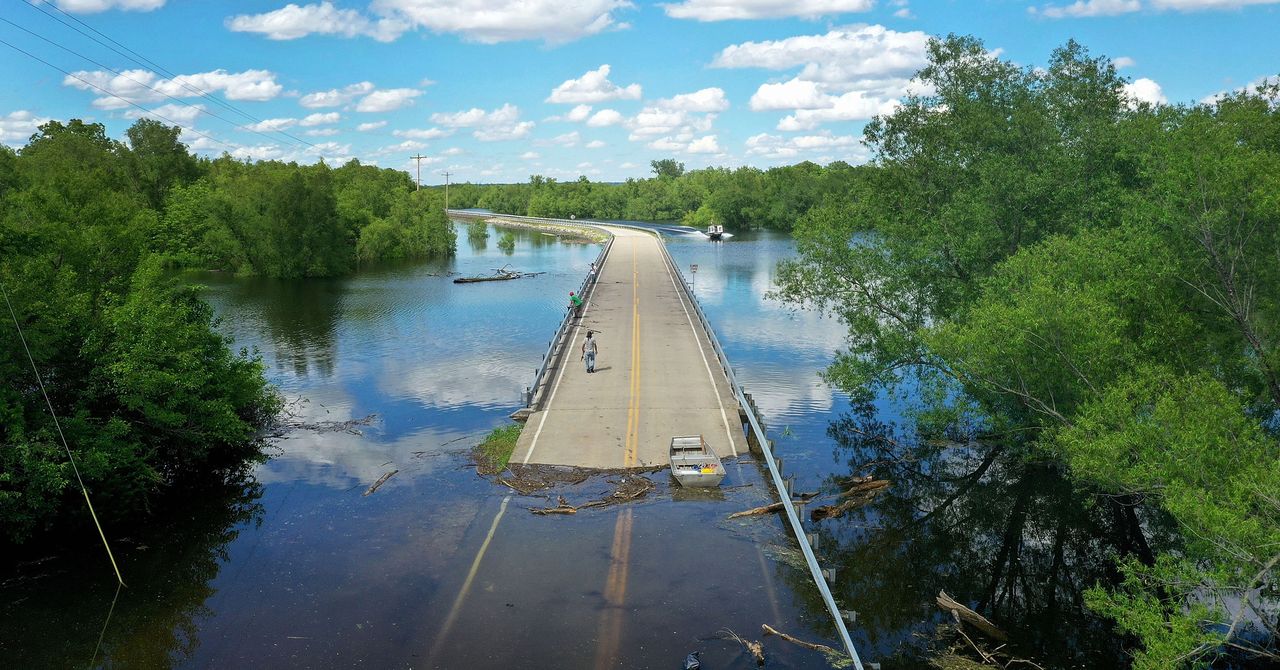
Photo: WIRED
2026-06-16 18:31 Climate change 10 


Parametric Insurance Expands as Communities Seek Faster Climate Disaster Recovery Funding
The article examines the growing use of parametric insurance as climate change increases the frequency and severity of natural disasters while traditional insurance models struggle to remain viable.
Unlike conventional insurance, parametric insurance pays out when predefined environmental thresholds—such as flood levels, rainfall amounts, or wind speeds—are reached, rather than requiring lengthy damage assessments.The model relies on sensors, satellite data, and AI systems to verify conditions and process claims quickly.
A central example is the effort led by Colin Wellenkamp of the Mississippi River Cities & Towns Initiative to develop a large-scale parametric insurance program for communities along the Mississippi River.
Inspired by experiences during the devastating 2019 floods, the proposed plan would provide rapid financial assistance to municipalities facing flood emergencies, helping them restore infrastructure, remove water, and prevent further damage while waiting for federal aid.
The article highlights several existing applications of parametric insurance, including programs in California, New York, Hawaii, the Caribbean, and developing countries such as Ethiopia and Malawi.
Supporters argue that the approach delivers funds much faster than traditional insurance or FEMA assistance, improving disaster recovery and community resilience.However, critics warn that parametric insurance can fail when measured weather conditions do not accurately reflect real-world damage.Communities may suffer significant losses without meeting payout thresholds, while others may receive compensation despite limited damage.Concerns also exist about insurers using proprietary data and AI-driven risk models that lack transparency.
The article further discusses proposals from the Trump administration's FEMA Review Council to incorporate parametric methods into federal disaster relief.
While advocates believe this could accelerate aid distribution, opponents worry about fairness, data quality, and the possibility that rigid triggers may overlook severely affected communities.
Overall, the article presents parametric insurance as a promising but imperfect tool for adapting to a future of escalating climate-related disasters.
2186
Original title: Traditional Home Insurance Is Collapsing. Here’s What Could Fill the Gap
The AI system has determined that this news is clickbait/sensationalist: : The title uses dramatic language such as 'collapsing' and creates curiosity with 'what could fill the gap,' encouraging clicks without immediately explaining that the article focuses on parametric insurance as an emerging alternative. This has coincided with the opinion of the majority of users.
You may also be interested in...
Study Links North Atlantic Cold Region to Continued Weakening of the AMOC and Potential Climate Tipping Point
 Nearly 100,000 Tennessee Residents Lose SNAP Benefits Following New Federal Eligibility Rules
 Rep. Jamie Raskin Accuses FBI Director Kash Patel of Improperly Distributing Bonus Payments to Close Associates