
 The Handmaid’s Tale as a Cautionary Tale for Modern Society
KillBait - News highlights delivered clearly and responsibly—no clickbait, no sensationalism
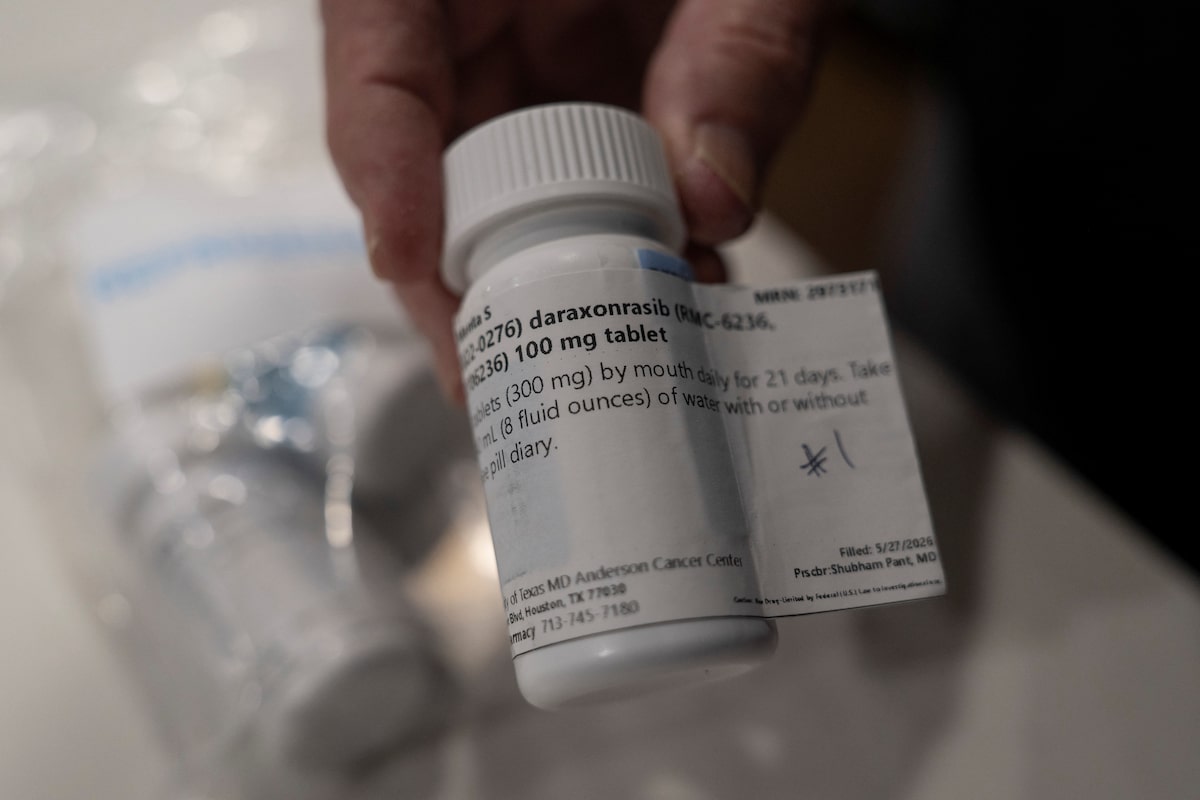
Photo: The Globe and Mail
2026-07-10 12:43 Opinion 10


Patients Denied Access to Unapproved Cancer Treatments Should Learn from AIDS Activists' Fight
The article discusses the ongoing struggle of patients denied access to experimental cancer treatments, urging them to draw parallels with the historical fight by AIDS activists in the 1980s.
It highlights how those activists successfully pressured pharmaceutical companies through protests and advocacy, leading to the Emergency Drug Release Program.
The piece argues that modern patients and healthcare providers should similarly challenge the current Special Access Program to push for compassionate access to unapproved drugs.It emphasizes that terminally ill patients should have autonomy over their treatment choices, even if it involves accepting certain risks.
The author calls for collaboration between doctors, patients, and regulators to pressure American pharmaceutical firms to provide life-saving medications despite regulatory hurdles.The piece underscores the ethical imperative of prioritizing patient needs over bureaucratic inertia in medical decision-making.
Full reading at The Globe and Mail
2186
Original title: Patients who are being denied access to unapproved cancer treatments should take lessons from AIDS activists and their doctors
The AI system has determined that this news is not clickbait/sensationalist: : The original title is informative and directly reflects the article's content about advocating for patient autonomy in treatment access, without sensationalism. This has coincided with the opinion of the majority of users.
You may also be interested in...
The Handmaid’s Tale as a Cautionary Tale for Modern Society
 Letters Discuss Economic Challenges and Policy Criticisms
 Federal-Provincial Development Charge Reduction Program Offers Benefits for Municipalities