
 TMC chief urges rebels to stay united ahead of critical rally
KillBait - News highlights delivered clearly and responsibly—no clickbait, no sensationalism
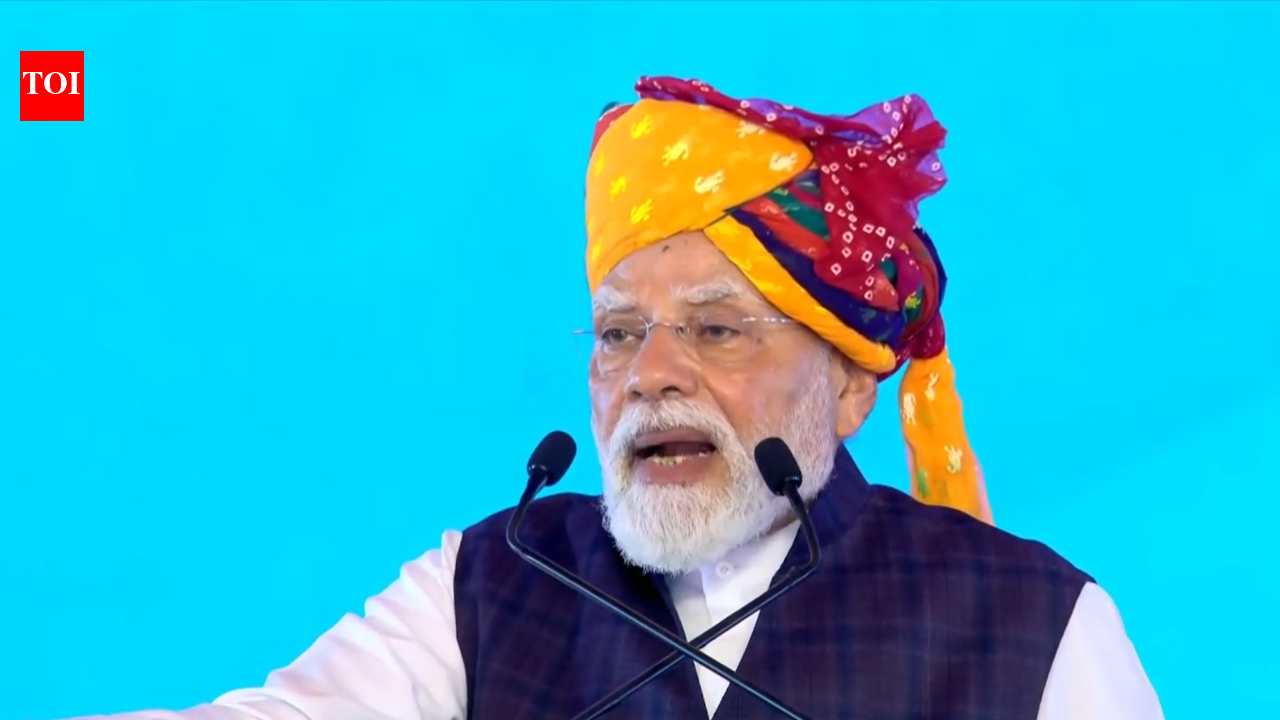
Photo: The Times of India
2026-07-17 18:08 Politics 10


PM Modi says railway electrification helped India withstand global energy disruptions amid the Hormuz crisis
Prime Minister Narendra Modi said that the large-scale electrification of Indian Railways over the past 12 years has strengthened India's ability to cope with global energy disruptions arising from the ongoing conflict in West Asia.
Speaking after flagging off India's first hydrogen-powered train at Jind railway station in Haryana, he stated that if a crisis affecting the Strait of Hormuz had occurred before 2014, Indian Railways would have faced severe operational challenges because a majority of trains then depended on diesel.
According to the Prime Minister, the current situation is different because nearly the entire railway network has now been electrified, reducing dependence on imported diesel.
Modi said that less than 30 per cent of the railway network had been electrified between 1925 and 2014, while around 70 per cent relied on diesel traction.He claimed that, at the earlier pace of electrification, it would have taken another two centuries to complete the process.
In contrast, he said that nearly 99 per cent of the national railway network has been electrified during the last 12 years, with Haryana achieving complete electrification.
Referring to the evolution of railway technology, Modi said the 19th century was defined by steam locomotives, the 20th century by diesel and electric trains, and that the 21st century would increasingly be shaped by hydrogen-powered rail transport.
He argued that investments in railway modernisation and electrification have improved India's resilience against disruptions in global oil supplies while also supporting cleaner and more efficient transport infrastructure.
Full reading at The Times of India
2189
Original title: 'Modi thinks way in advance': PM says Hormuz crisis didn't affect Railways, draws parallel with 2014
The AI system has determined that this news is not clickbait/sensationalist: : The headline accurately reflects the Prime Minister's remarks and the main subject of the article. Although it uses a direct quote that draws attention, it does not exaggerate or misrepresent the contents of the report. This has coincided with the opinion of the majority of users.
You may also be interested in...
TMC chief urges rebels to stay united ahead of critical rally
 UP CM Yogi Adityanath assures security for Kanwar Yatra pilgrims, calls for discipline
 Former envoy Sanjay Verma says US indictment does not link India to Nijjar killing and reiterates concerns over Khalistani extremism