
 Peter Garrett Backs Independent Inquiry into Aukus Costs, Risks and Strategic Consequences
KillBait - News highlights delivered clearly and responsibly—no clickbait, no sensationalism
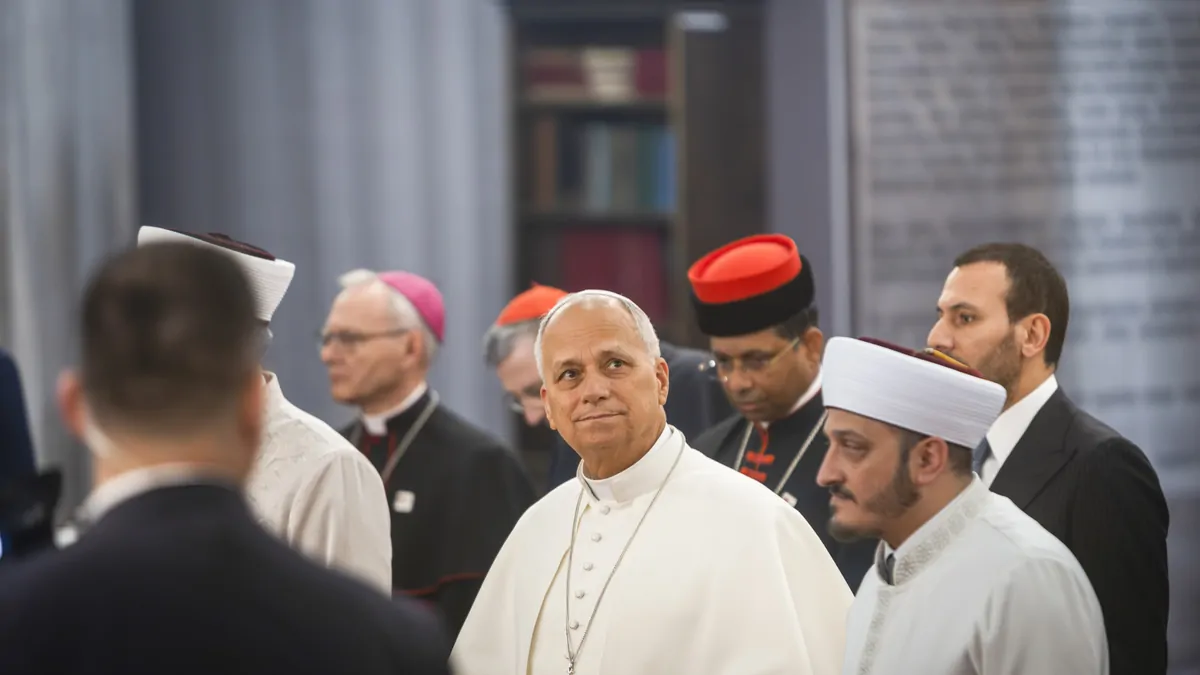
Photo: The Nightly
2026-05-26 04:52 Artificial intelligence 28 


Pope Leo XIV Calls for Ethical Safeguards and Human Dignity in the Age of Artificial Intelligence
In a significant new encyclical titled 'Magnifica Humanitas', Pope Leo XIV has urged global leaders, corporate executives, and individuals to protect humanity from the disruptive impacts of artificial intelligence.
Presented at the Vatican alongside Christopher Olah, co-founder of Anthropic, the document spans over 42,000 words and emphasises the need to maintain human dignity, agency, and employment in an era of rapid technological change.
The Pope stressed that while technology itself is not inherently opposed to humanity, the pursuit of profit should not come at the expense of jobs and social stability.
Key recommendations include stronger government regulation of AI developers, retraining programmes for affected workers, critical thinking education for students, and protections for children from harmful AI-generated content such as violent or fake material.The encyclical also calls for strict ethical controls on AI-powered weapons to ensure humans retain ultimate responsibility for lethal decisions.
Drawing parallels with Pope Leo XIII's 1891 encyclical 'Rerum Novarum' on industrial-era labour rights, Leo XIV highlights work as essential to personal fulfilment and warns against a society where only a few enjoy employment amid technological abundance.He also issued an apology for the historical role of the papacy in slavery.The presentation featured input from theologians, scientists, and diplomats, signalling a bridge between spiritual and technological spheres.
Experts note the document serves as moral guidance for the Catholic community and may influence broader ethical discussions, though its direct impact on Silicon Valley remains uncertain.Overall, the encyclical promotes a balanced approach that embraces innovation while prioritising human values and social justice.
2404
Original title: Pope Leo warns of risks from AI in impassioned plea
The AI system has determined that this news is not clickbait/sensationalist: : The original title directly summarises the core message of the Pope's plea regarding AI risks without exaggeration or sensational elements designed to mislead readers. This has coincided with the opinion of the majority of users.
You may also be interested in...
Peter Garrett Backs Independent Inquiry into Aukus Costs, Risks and Strategic Consequences
 Serena Williams set to return to professional tennis at Queen’s Club
 Escalation of Conflict Between Israel and Hezbollah Hits Beirut and Northern Israel