
 Thames Valley Police Launch Misconduct Investigation into Prince Andrew’s Conduct
KillBait - News highlights delivered clearly and responsibly—no clickbait, no sensationalism
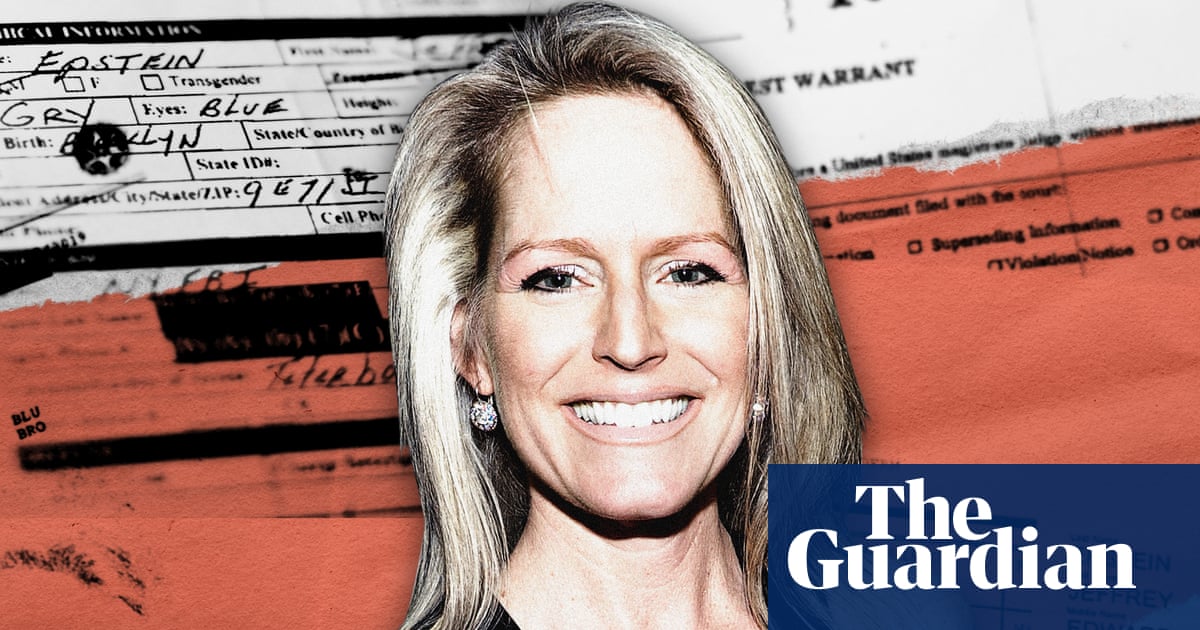
Photo: theguardian.com
2026-05-28 11:56 Justice 10 


Profile of Jeffrey Epstein’s assistant Lesley Groff and scrutiny over her role and knowledge
The article examines the long career of Lesley Groff, Jeffrey Epstein’s executive assistant for nearly two decades, and explores the extent of her proximity to his personal and professional life.
Drawing on thousands of emails and interviews, it raises questions about what she knew regarding Epstein’s criminal activities, while also highlighting her consistent denial of any knowledge of wrongdoing.Groff joined Epstein’s organisation in 2001 after being recruited through a headhunter.
Over time, she became a central figure in managing his daily affairs, including his schedule, communications, travel, and interactions with a wide network of influential individuals.
The article describes how she worked closely with Epstein and his associates, often acting as a gatekeeper and logistical organiser in a highly controlled and demanding environment.
Her role expanded as she remained in his service for 18 years, during which she coordinated meetings, travel arrangements, and personal requests, sometimes involving high-profile figures.
She was also involved in organising appointments and communications that later came under scrutiny in the context of Epstein’s criminal investigations.Despite this, Groff has maintained through legal representatives that she never witnessed or was informed of illegal conduct.The piece also explores broader themes about executive assistant roles, particularly the intense trust and dependency such positions can involve.It contrasts the professional ideal of administrative support with the blurred boundaries that can emerge in powerful and opaque environments.
Following Epstein’s arrest and death, Groff’s name appeared extensively in investigative files, prompting renewed attention from US congressional committees.She was later invited for questioning as part of an inquiry into the handling of the Epstein case.
The article ultimately leaves open the question of awareness versus willful ignorance, reflecting on how proximity to wrongdoing does not necessarily equate to proven complicity.
Full reading at theguardian.com
2186
Original title: ‘Seriously the best boss ever’: inside the world of Jeffrey Epstein’s assistant
The AI system has determined that this news is not clickbait/sensationalist: : The original title uses a quoted phrase for attention but accurately reflects the article’s subject matter and does not exaggerate or misrepresent the content, so it is not strongly clickbait. This has coincided with the opinion of the majority of users.
You may also be interested in...
Thames Valley Police Launch Misconduct Investigation into Prince Andrew’s Conduct
 Sentences for teenage boys convicted of rape referred to Court of Appeal amid victim concerns
 Katie Price says husband Lee Andrews contacted her from Dubai prison amid detention and espionage claims