
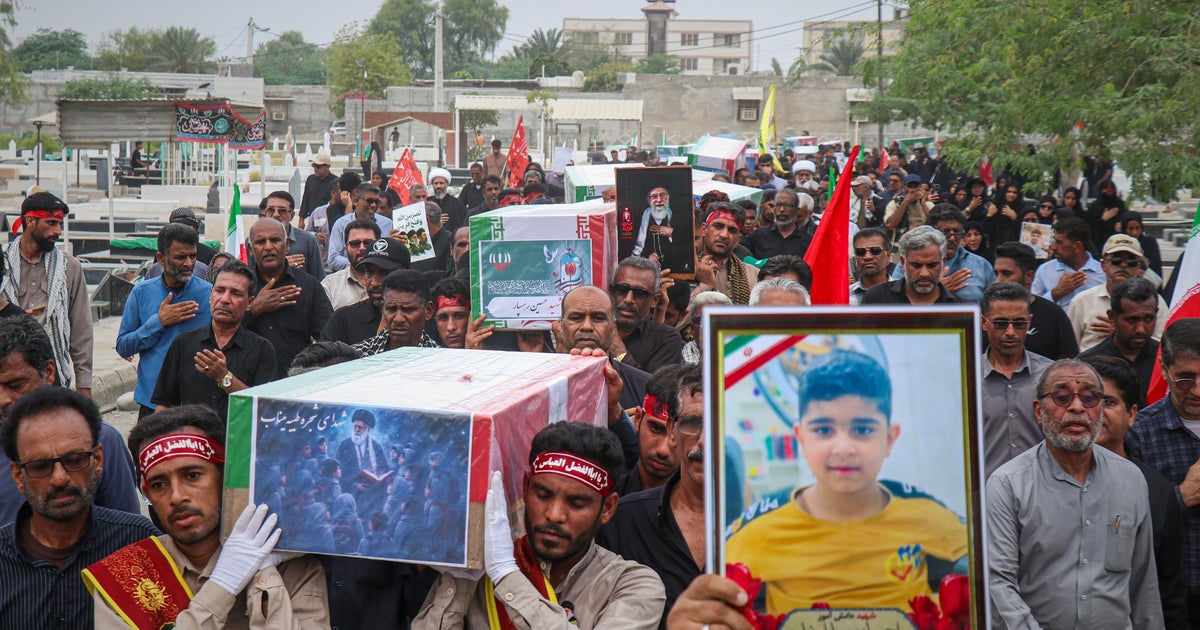
 U.S.-Iran Clashes Escalate Over Control of Strategic Shipping Routes
KillBait - News highlights delivered clearly and responsibly—no clickbait, no sensationalism

Photo: nuclear-news
2026-07-25 20:58 Conflict 10


Prolonged Conflict's Human and Economic Toll: A Global Crisis Analysis
The article examines the devastating impact of prolonged conflicts on societies, economies, and political stability.It highlights how extended warfare leads to widespread human suffering, including displacement, loss of life, and psychological trauma.Economically, conflicts drain resources, hinder development, and create long-term debt burdens.Politically, they fuel instability, corruption, and the erosion of democratic institutions.The piece emphasizes the urgent need for diplomatic solutions and international cooperation to mitigate these effects.
It also discusses the role of global powers in perpetuating or resolving conflicts, raising questions about accountability and the sustainability of military interventions.
The summary underscores the interconnectedness of humanitarian, economic, and political challenges in protracted wars, calling for a multidimensional approach to peacebuilding.
Key examples include ongoing conflicts in regions such as the Middle East, Africa, and Eastern Europe, which illustrate the complex web of factors sustaining these crises.
The article concludes by advocating for systemic changes in conflict resolution strategies to prevent future humanitarian disasters and promote sustainable peace.
2187
Original title: The wear and tear of conflict: Ukraine, Europe, and the twilight of a great deception
The AI system has determined that this news is not clickbait/sensationalist: : The original title is a direct inquiry rather than sensationalist, focusing on the human and economic costs of prolonged war without hyperbolic language. This has coincided with the opinion of the majority of users.
You may also be interested in...
U.S.-Iran Clashes Escalate Over Control of Strategic Shipping Routes
 Cross-Generational Voices Advocate for Nuclear Disarmament and Peace
 Houthi Attacks on Saudi Tankers and U.S. Strikes in Red Sea Escalate