
 Mexican immigrant convicted of murdering girlfriend sues Trump over campaign remarks
KillBait - News highlights delivered clearly and responsibly—no clickbait, no sensationalism
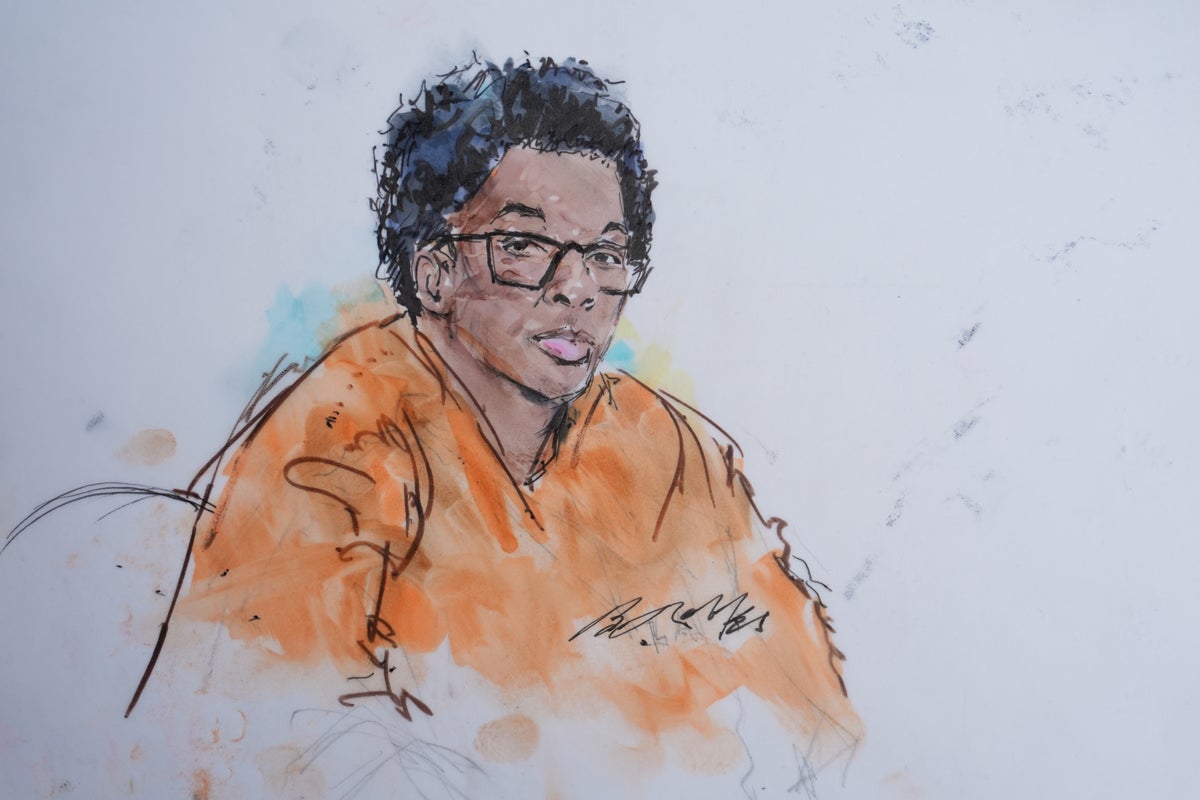
Photo: The Independent
2026-07-23 07:37 Justice 10


Prosecutors present forensic evidence in D4vd's murder trial
During the preliminary hearing for D4vd (David Burke), prosecutors presented forensic evidence, including apparent bloodstains and DNA samples, from Burke's Hollywood home garage and his Tesla.
Criminalists testified about discovering bloodstains on rubber mats and a rowing machine in the garage, as well as smaller stains in the Tesla where the victim's remains were later found.
Authorities allege Burke dismembered 14-year-old Celeste Rivas Hernandez after she threatened to expose their alleged sexual relationship and hid her remains in his Tesla.Evidence included purchases of items like chainsaws, an inflatable pool, a shovel, and a body bag, which prosecutors claim were used in the crime.Rivas Hernandez's passport was found in Santa Barbara County, with travel data linking Burke to the location.The defense challenged the evidence collection process, raising questions about its validity.
The case highlights the intersection of forensic science and criminal proceedings, with prosecutors relying on physical evidence to build their case against Burke.The hearing underscores the complexities of legal investigations and the role of forensic analysis in criminal trials.
Full reading at The Independent
2186
Original title: D4vd prosecutors present forensic evidence from singer’s garage during hearing
The AI system has determined that this news is clickbait/sensationalist: : The original title emphasizes sensational aspects of the case, such as the involvement of a celebrity and the graphic nature of the alleged crime, which aligns with clickbait tactics. This has coincided with the opinion of the majority of users.
You may also be interested in...
Mexican immigrant convicted of murdering girlfriend sues Trump over campaign remarks
 Malcolm-Jamal Warner's Widow Files Lawsuit Against His Mother Over Prenuptial Agreement Claims
 Andy Burnham to Review Early Prisoner Release Policy Amid Public Outcry Over Killer Releases