
 Rafael Jodar denies contact with ball girl after incident during French Open match
KillBait - News highlights delivered clearly and responsibly—no clickbait, no sensationalism
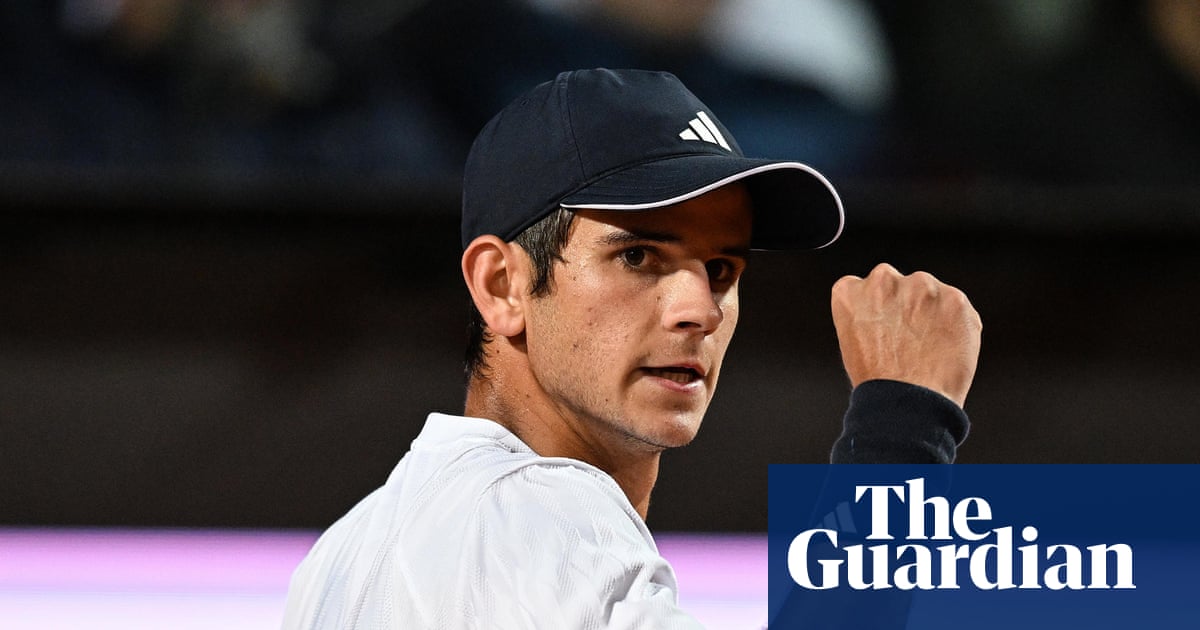
Photo: theguardian.com
2026-05-23 19:29 Sports 13 


Rafael Jodar’s rise highlights the enduring success of Spain’s tennis development system
The article examines the emergence of 19-year-old Spanish tennis player Rafael Jodar and places his rapid rise within the broader tradition of Spain’s highly successful men’s tennis system.
Jodar, who was ranked outside the world’s top 700 only a year earlier while studying at the University of Virginia, has climbed dramatically after winning several ATP Challenger events and competing successfully on the professional tour.
His performances have earned him a seeded position at the 2026 French Open, leading many observers to compare him with Rafael Nadal and view him as Spain’s next major tennis prospect.
The piece explains how Spain has consistently produced elite male tennis players over the past three decades, beginning with Sergi Bruguera’s French Open victories in the 1990s and continuing through the achievements of Rafael Nadal and Carlos Alcaraz.
The article argues that Spain’s success is rooted in a long-established coaching philosophy developed primarily in Barcelona by influential coaches such as Pato Alvarez and Lluis Bruguera.
Their methods emphasised movement, consistency, defensive play, physical preparation and, most importantly, the concept of “suffering” — maintaining discipline, resilience and positivity during difficult moments in matches.
The article also traces the origins of Spain’s tennis infrastructure to the 1970s, when thousands of clay courts were built across the country following encouragement from dictator Francisco Franco after the success of Manolo Santana.
Over time, Spain’s approach evolved from producing mainly clay-court specialists into developing adaptable all-court players such as Nadal, Alcaraz and now Jodar.
In addition, the article highlights how Spain’s influence extended internationally, inspiring players like Andy Murray and coaches working in the United States.
It concludes that Spain’s combination of coaching philosophy, mental toughness, athletic talent and favourable modern court conditions continues to make the country one of the dominant forces in men’s tennis.
Full reading at theguardian.com
2243
Original title: Nadal, Alcaraz and now Jodar: how Spain’s school of ‘suffering’ forges the stars of men’s tennis
The AI system has determined that this news is not clickbait/sensationalist: : The original title accurately reflects the article’s content and focuses on Spain’s tennis development system and emerging player Rafael Jodar without using exaggerated or misleading claims. This has coincided with the opinion of the majority of users.
You may also be interested in...
Rafael Jodar denies contact with ball girl after incident during French Open match
 Jannik Sinner loses to Juan Manuel Cerundolo in second round at French Open
 Sinner shock French Open defeat highlights heat and pressure issues