
 Opinion columnist argues Trump's social media post combined longstanding attacks on Obama, race, and Islam
KillBait - News highlights delivered clearly and responsibly—no clickbait, no sensationalism
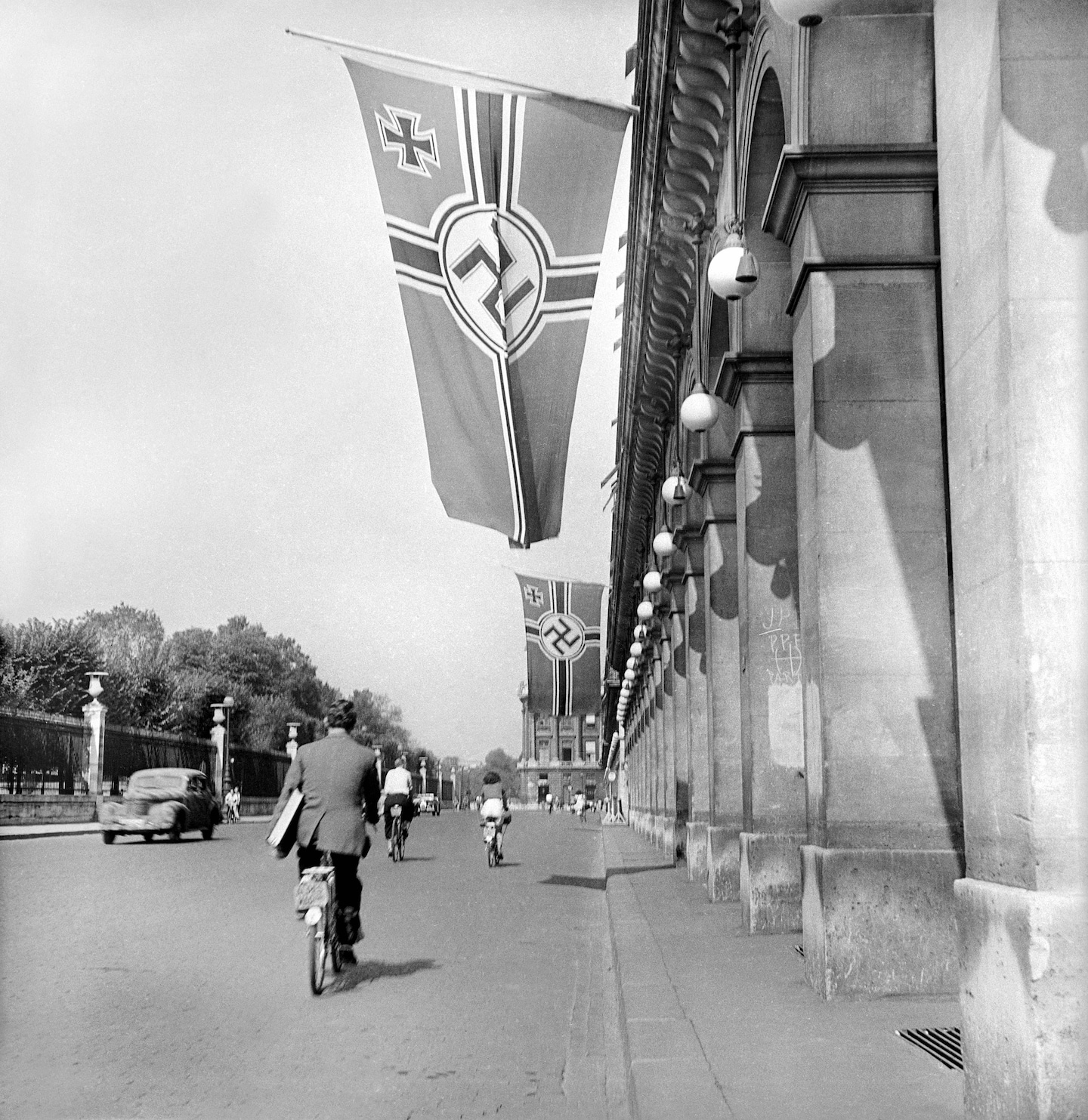
Photo: washingtonpost.com
2026-07-13 14:44 Opinion 12


Renoir’s 'Pink and Blue' Portraits Reflect Tragedy of WWII
Catherine Ostler’s book 'The Renoir Girls' recontextualizes the iconic impressionist painting of two young sisters, linking its vibrant pastel hues to the darker realities of 20th-century history.
The narrative weaves between the opulent world of French aristocracy and the horrors of Auschwitz, illustrating how the girls’ idyllic lives were inexorably tied to the Holocaust.
Ostler’s analysis suggests that the painting’s aesthetic beauty masks a grim historical truth: the same societal structures that enabled artistic patronage also facilitated the rise of totalitarianism.
The article critiques how cultural narratives often sanitize history, urging readers to confront the uncomfortable intersections between art and atrocity.
By juxtaposing the girls’ innocent gazes with the shadow of Auschwitz, Ostler challenges viewers to reconsider the legacy of pre-war France’s wealth and complicity.This piece blends literary analysis with historical critique, offering a poignant reflection on how art can serve as both witness and warning.
Full reading at washingtonpost.com
2224
Original title: How Renoir’s ‘Pink and Blue’ faded to black
The AI system has determined that this news is clickbait/sensationalist: : The original title uses provocative juxtaposition ('French Wealth Meets Horror') to sensationalize the connection between art and historical trauma, prioritizing shock value over nuanced analysis. This has coincided with the opinion of the majority of users.
You may also be interested in...
Opinion columnist argues Trump's social media post combined longstanding attacks on Obama, race, and Islam
 Reflections on Vacation Souvenirs and Cultural Artifacts
 The Need for Civil Religion in America's Political Discourse