
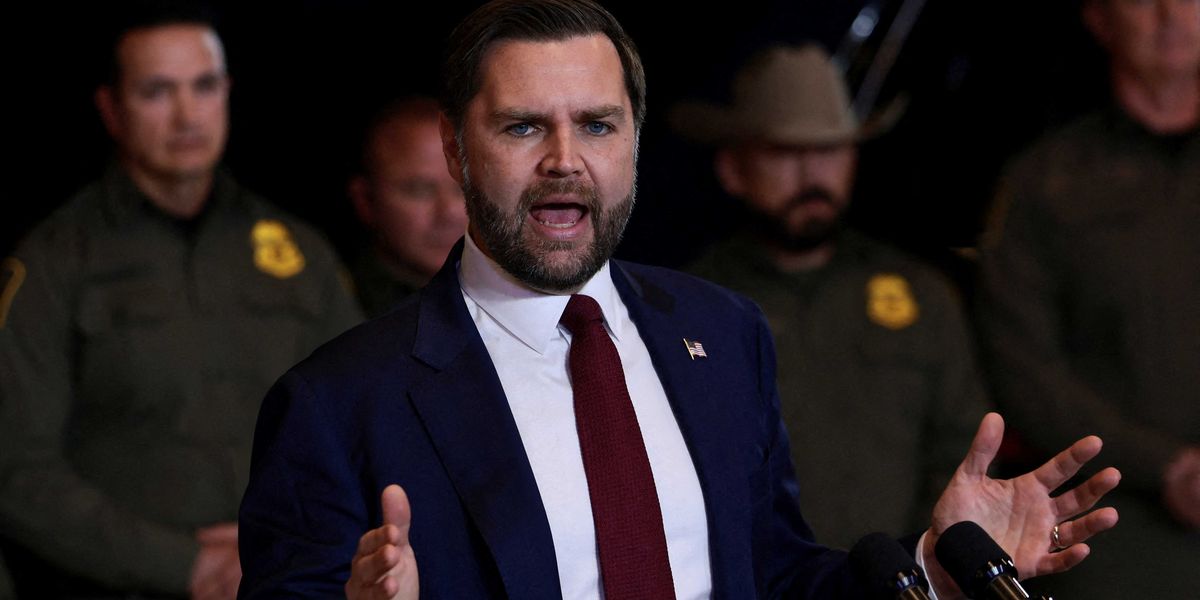
 White House denies report claiming advisers urged JD Vance to reduce social media activity
KillBait - News highlights delivered clearly and responsibly—no clickbait, no sensationalism
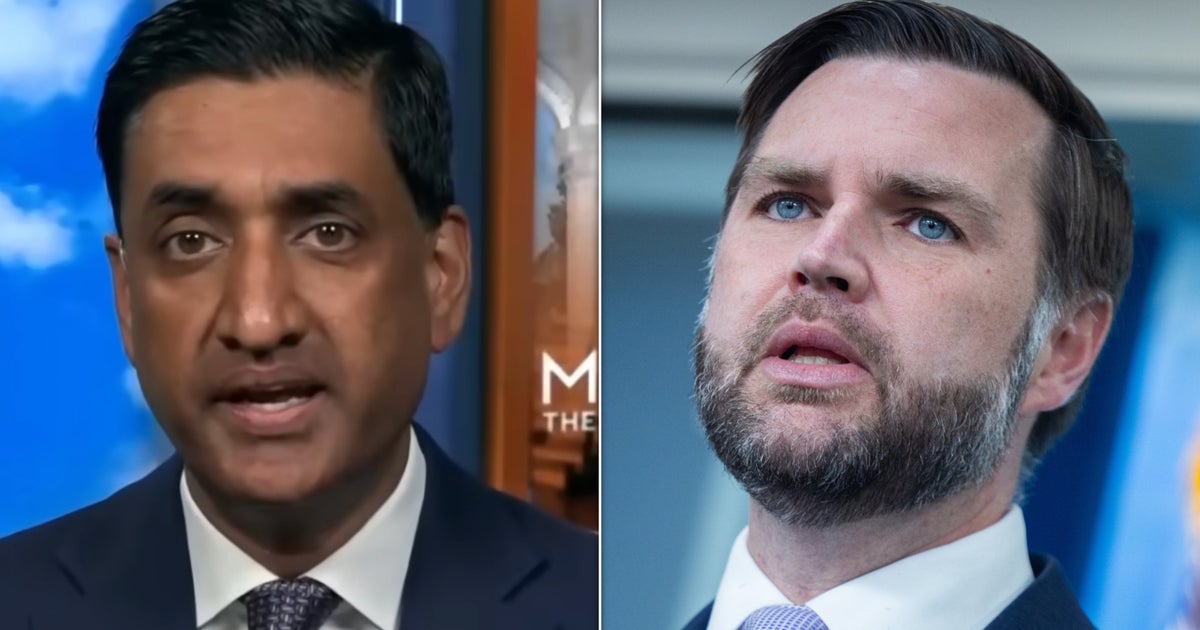
Photo: HuffPost
2026-05-25 08:25 Politics 11 


Rep. Ro Khanna Criticizes Vice President JD Vance Over Defense of Trump Administration Funding and Policies
Representative Ro Khanna, a Democrat from California, sharply criticized Vice President JD Vance during an appearance on NBC’s “Meet the Press,” focusing on Vance’s defense of President Donald Trump’s controversial $1.8 billion “anti-weaponization” fund.
Khanna argued that Vance is being placed in a position where he must support policies that contradict his past views and, in Khanna’s words, are “defiant of common sense.
” He suggested that Vance has become a spokesperson for unpopular and politically motivated initiatives, despite previously holding positions that were more critical of military interventions and government overreach.
Khanna specifically referenced the fund, which was established following a legal settlement tied to Trump’s lawsuit against the IRS regarding the leak of his tax returns.
Critics have described the program as a potential “slush fund” that could distribute taxpayer money to Trump allies who claim they were mistreated by the Biden-era Justice Department.
The fund has also faced legal scrutiny and bipartisan criticism, particularly due to concerns that it may benefit individuals involved in the January 6, 2021 Capitol riot and other politically charged cases.During the broadcast, a clip of Vance defending the initiative was shown.
Vance argued that the fund is open to applications from both Republicans and Democrats, and he pointed to past pardons issued by Trump as evidence of broader fairness in addressing alleged “lawfare.” He also suggested that individuals like Hunter Biden could theoretically apply for compensation under the program.
Khanna, however, dismissed these justifications, stating that Vance is being used to defend controversial policies that even he may privately question.
He further accused Trump of redirecting taxpayer funds toward political allies, framing the initiative as part of a broader pattern of politically driven governance.
The exchange highlights ongoing partisan tensions over the legitimacy and intent of the “anti-weaponization” fund and its implications for federal justice and accountability.
2206
Original title: Democratic Rep. Rips JD Vance For Defending Policies That Are ‘Defiant Of Common Sense'
The AI system has determined that this news is clickbait/sensationalist: : The original headline uses emotionally charged language such as “rips” and the phrase “defiant of common sense,” which are designed to provoke a strong reaction rather than neutrally describe the event. This framing increases sensational appeal, making it clickbait-like despite reporting a real political statement. This has coincided with the opinion of the majority of users.
You may also be interested in...
White House denies report claiming advisers urged JD Vance to reduce social media activity
 Vice President JD Vance cancels scheduled Colorado speaking engagement without explanation
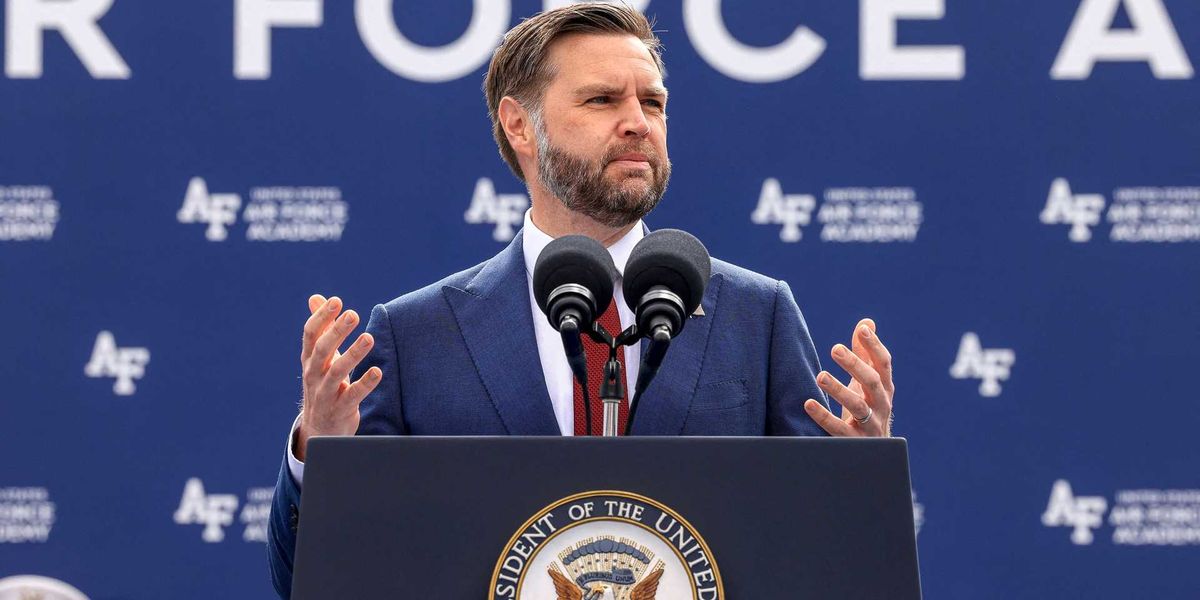 Vice President Vance warns Air Force Academy graduates against heckling during commencement speech