
 England's World Cup Triumph and Key Moments in Mexican Campaign
KillBait - News highlights delivered clearly and responsibly—no clickbait, no sensationalism
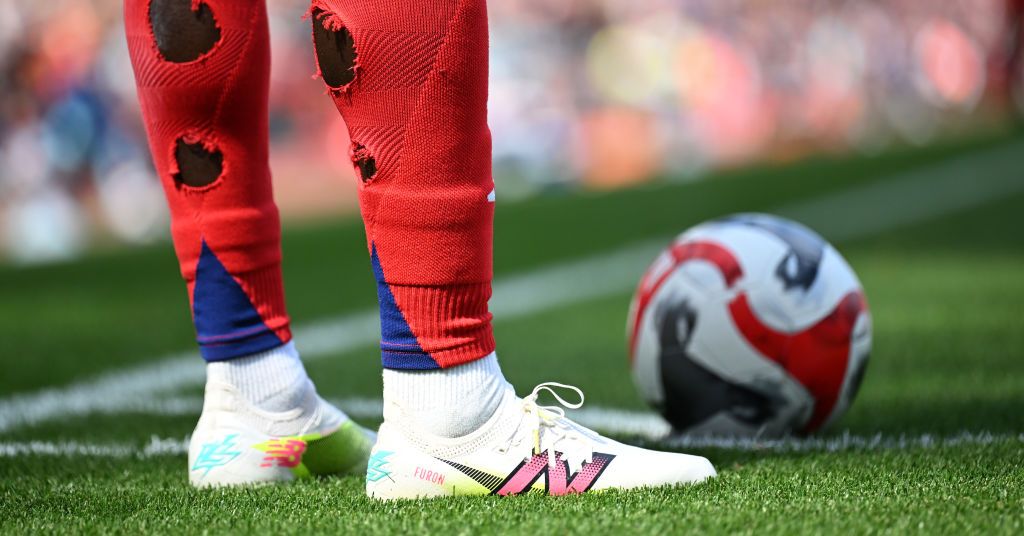
Photo: WIRED
2026-07-07 12:04 Sports 10


Research Suggests Cut Soccer Socks Improve Comfort Perception Rather Than Athletic Performance
A growing number of professional soccer players at the 2026 FIFA World Cup have been seen wearing socks with holes cut into the calf area, prompting widespread speculation about whether the practice offers a competitive advantage.
While the trend has become highly visible during the tournament, it has existed for years at events such as the UEFA European Championship and the Olympic Games.
According to sports medicine specialists, however, there is currently no scientific evidence showing that cutting socks improves performance, reduces cramps, or lowers the risk of injury.
Modern soccer socks are designed to fit tightly, providing ankle support, helping secure shin guards, managing moisture, and reducing foot movement inside the cleat.
Some players report that this compression creates an uncomfortable sensation of tightness, tingling, or numbness in the calves, particularly as muscles repeatedly expand during intense running, sprinting, and changes of direction.Cutting holes into the fabric is believed by some athletes to relieve this feeling of pressure.
Experts explain that while calf muscles naturally increase in size during exertion, research has generally found that properly fitted compression garments may actually aid recovery by reducing muscle inflammation after strenuous activity.As a result, there is no established physiological benefit from modifying socks in this way.Instead, specialists suggest the trend is best understood as a psychological or perceptual effect.
If players feel less restricted after cutting their socks, that increased comfort may improve their confidence and willingness to perform aggressively, even if measurable athletic performance remains unchanged.
Because soccer's equipment rules allow modified socks as long as shin guards remain properly covered and safety requirements are met, the practice is likely to continue despite the lack of scientific support for any direct competitive advantage.
2186
Original title: The Science Behind Why Soccer Players at the 2026 World Cup Are Cutting Their Socks
The AI system has determined that this news is not clickbait/sensationalist: : The original title accurately reflects the article's content by examining the scientific evidence behind a visible trend among soccer players. It is descriptive and informative rather than exaggerated or misleading. This has coincided with the opinion of the majority of users.
You may also be interested in...
England's World Cup Triumph and Key Moments in Mexican Campaign
 U.S. Goalkeeper's World Cup Ends in Heartbreaking Loss
 England's Jordan Henderson Injures Wrist During World Cup Celebration, Opting for Surgery