
 Research Explores How GLP-1 Drugs Like Ozempic May Affect Brain Function
KillBait - News highlights delivered clearly and responsibly—no clickbait, no sensationalism
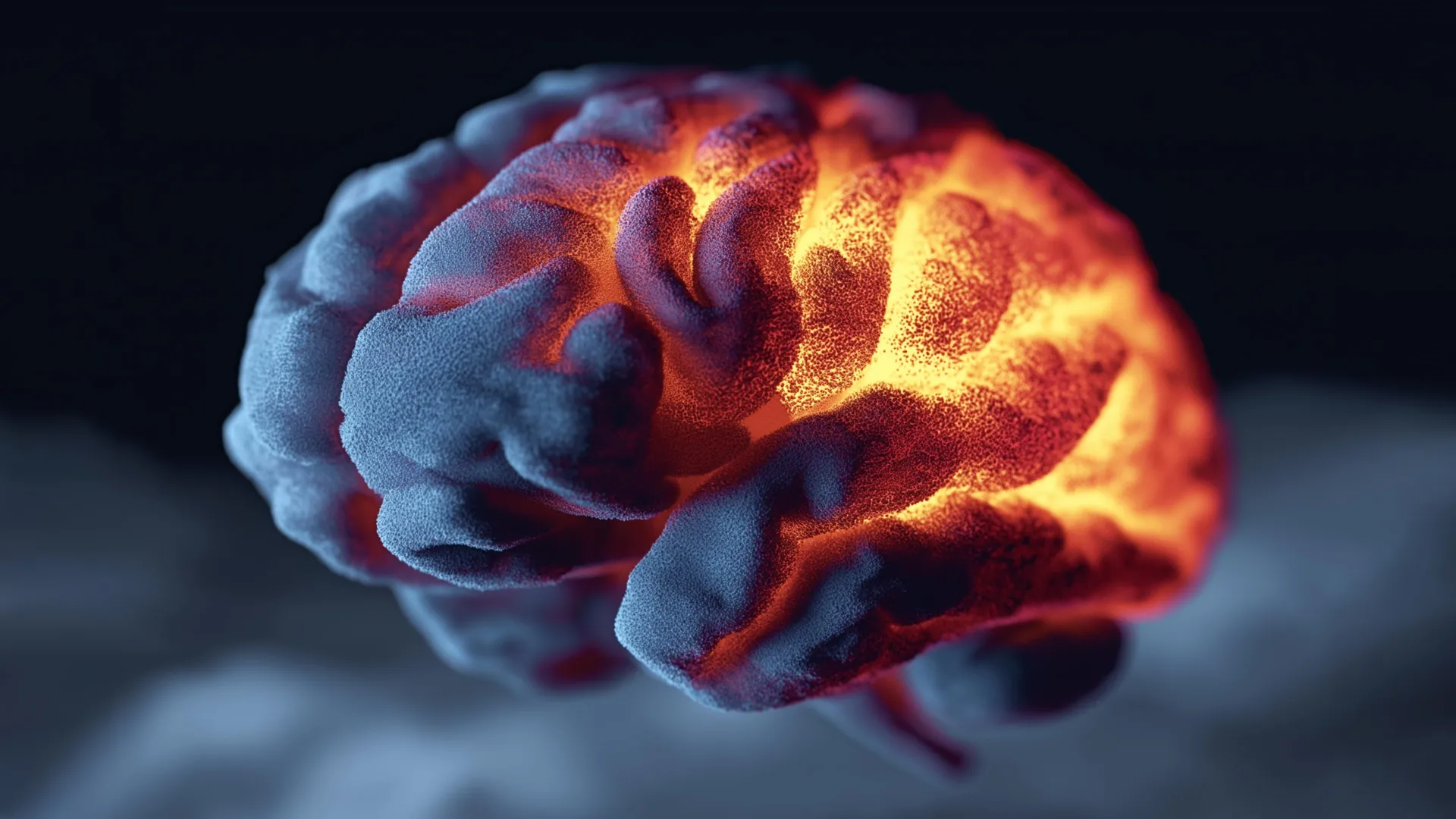
Photo: ScienceDaily
2026-06-01 03:12 Neuroscience 12 


Researchers identify molecular mechanism driving chronic brain inflammation in Alzheimer’s disease
Researchers at Scripps Research have identified a molecular mechanism that may help explain persistent brain inflammation in Alzheimer’s disease.The study focuses on a protein called STING, which normally helps immune cells detect threats and respond to infection.In Alzheimer’s, however, scientists found that STING undergoes a chemical modification known as S-nitrosylation.
This change alters a specific amino acid site on the protein (cysteine 148), causing STING to become overactive and driving chronic inflammation in brain immune cells.
Using human brain tissue, stem-cell-derived models, and mouse experiments, the researchers observed elevated levels of this modified form of the protein, called SNO-STING, in Alzheimer’s patients.
They also discovered that amyloid-beta and alpha-synuclein protein aggregates—hallmarks of neurodegenerative disease—can trigger this harmful chemical modification.This suggests a self-sustaining cycle in which protein buildup promotes inflammation, which in turn fuels further molecular damage.
Importantly, when researchers blocked the modification at cysteine 148 or engineered a version of STING that could not undergo S-nitrosylation, inflammation in mouse models was significantly reduced.Even more notably, synaptic connections between neurons were protected from degeneration, which is closely linked to cognitive decline in dementia.
The findings suggest that selectively targeting this modification could calm harmful inflammation without completely shutting down the immune system’s normal protective role.
The team is now working on developing small molecules that could inhibit this specific pathway, with the goal of exploring new therapeutic strategies for Alzheimer’s disease in future preclinical studies.
2224
Original title: Scientists found the hidden switch fueling alzheimer’s brain inflammation
The AI system has determined that this news is not clickbait/sensationalist: : The original title is somewhat attention-grabbing with the phrase 'hidden switch,' but it accurately reflects the scientific discovery and does not exaggerate outcomes or make misleading claims. This has coincided with the opinion of the majority of users.
You may also be interested in...
Research Explores How GLP-1 Drugs Like Ozempic May Affect Brain Function
 Study finds caffeine may restore social memory circuits disrupted by sleep deprivation
 Cambridge researchers use human organoids to restore nerve regeneration