
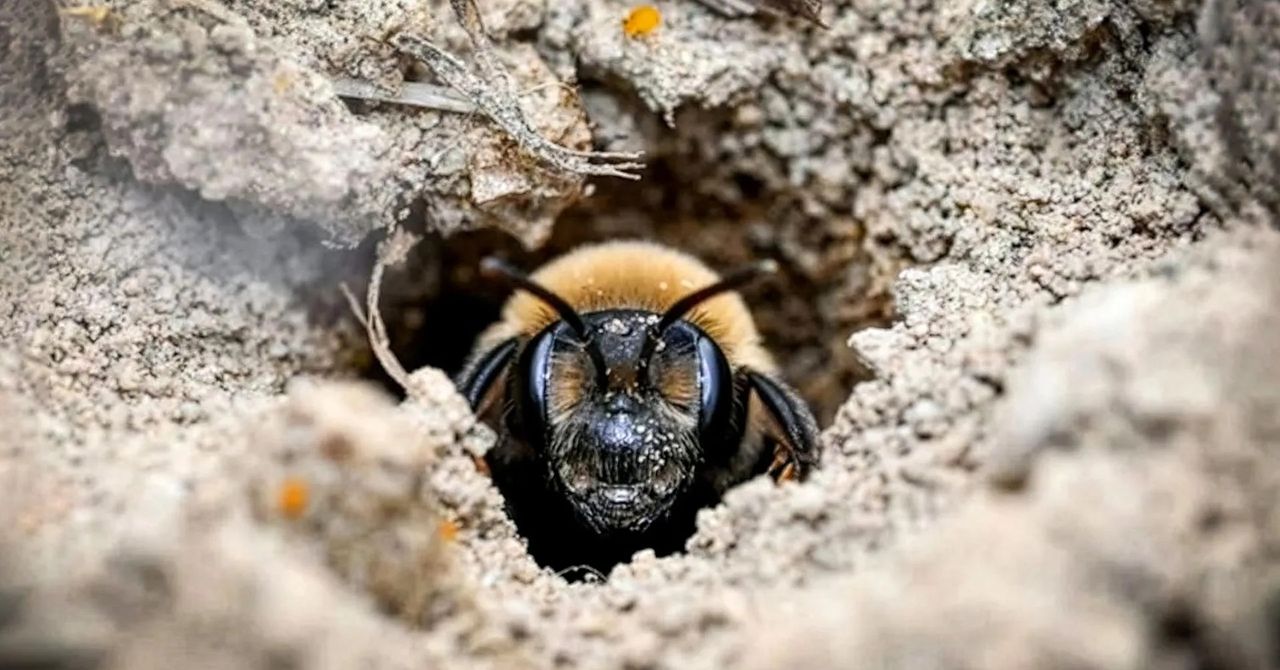
 Massive underground mining bee colony discovered beneath historic New York cemetery
KillBait - News highlights delivered clearly and responsibly—no clickbait, no sensationalism

Photo: yahoo.com
2026-05-31 03:17 Science 14 


Researchers Propose Liver as a Potential Magnetoreceptor in Pigeons
For decades, scientists have been puzzled by the ability of homing pigeons to navigate back to their lofts from hundreds of miles away with remarkable accuracy.
Traditional theories of avian navigation have focused on magnetoreception, with candidate organs including magnetite in the beak, cryptochrome proteins in the retina, and hair cells in the inner ear.None of these has been conclusively proven as the primary sensor.A recent study suggests a surprising alternative: the liver.
Researchers hypothesize that iron-rich cells in the liver, which naturally store iron in forms like ferritin and hemosiderin, could detect variations in the Earth's magnetic field.This information could then be converted into electrochemical signals to assist navigation.
While this is physiologically plausible, the study acknowledges that the pathway from liver to brain remains unproven, and birds likely integrate multiple sensory cues including visual, olfactory, and infrasound signals.
If hepatic magnetoreception is confirmed, it could reshape the understanding of magnetic sensing in vertebrates and inspire new low-power magnetic navigation sensors for robotics.
The study, published in Science, offers a testable hypothesis rather than a definitive explanation, highlighting a novel potential role for an organ traditionally known for metabolism rather than sensory function.
2257
Original title: New study targets liver as magnetic sensor behind pigeon’s long-range navigation
The AI system has determined that this news is clickbait/sensationalist: : The original title emphasizes a surprising claim ('liver as magnetic sensor') without clarifying that it is a hypothesis, which can exaggerate the certainty of the finding. This has coincided with the opinion of the majority of users.
You may also be interested in...
Massive underground mining bee colony discovered beneath historic New York cemetery
 Beneficial Mutations Are More Common, but Changing Environments Limit Their Impact
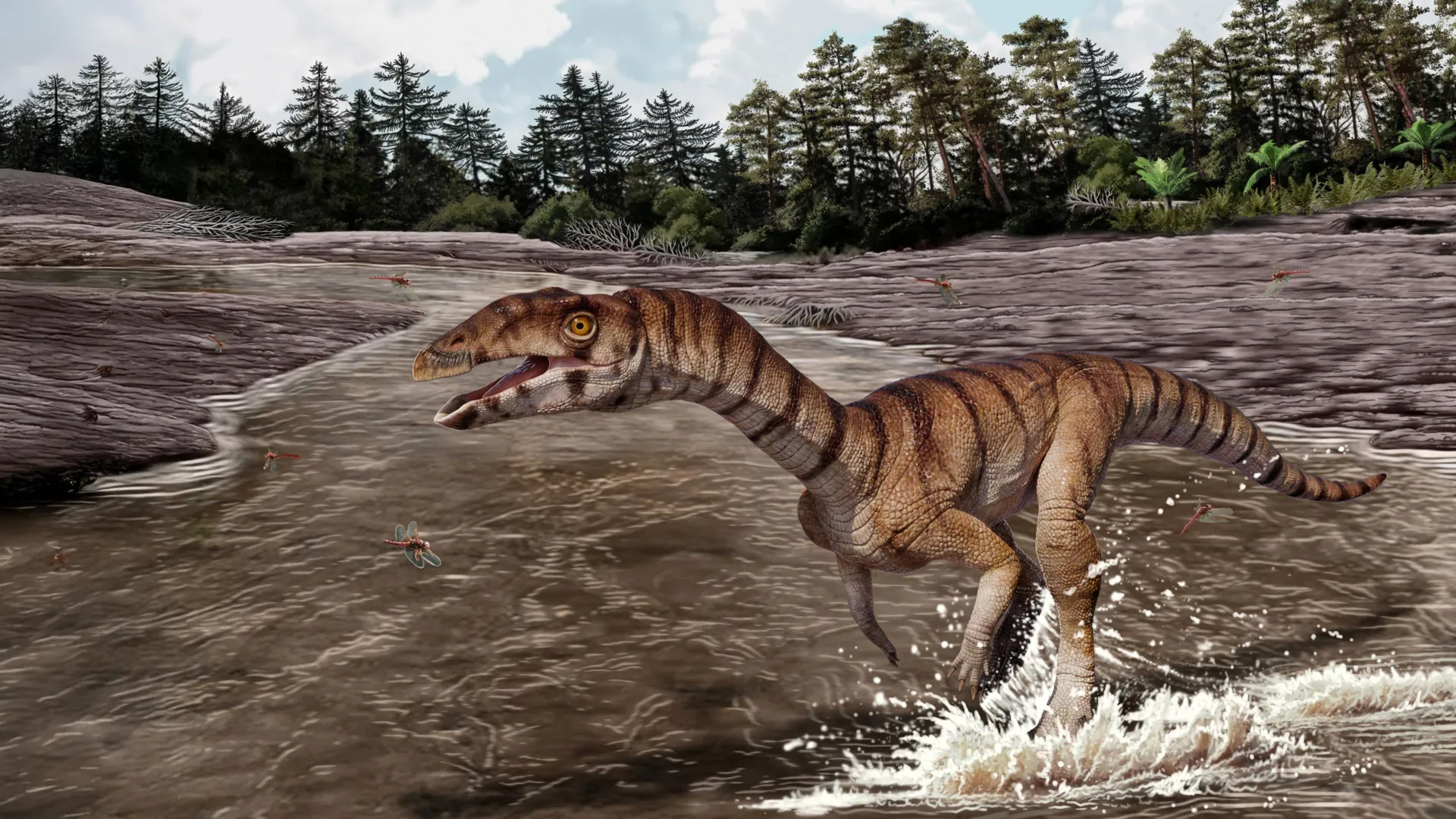 New Triassic crocodile relative reveals ostrich-like body plan and early archosaur evolution