
 Paul McCartney reflects on songwriting, The Beatles memories and collaborations with Ringo Starr and The Rolling Stones
KillBait - News highlights delivered clearly and responsibly—no clickbait, no sensationalism

Photo: theguardian.com
2026-05-25 09:37 Music 11 


Review: Paul McCartney’s The Boys of Dungeon Lane highlights enduring melodic brilliance at 83
The review of Paul McCartney’s 27th studio album, The Boys of Dungeon Lane, presents the record as a reflective yet creatively vibrant work from the 83-year-old former Beatle.
Framed partly as a nostalgic return to his Liverpool childhood, the album draws thematic inspiration from McCartney’s early life while avoiding becoming a fully conceptual project.Instead, it blends autobiographical reflection with stylistic variety and occasional playful experimentation.
Critics note that McCartney’s recent creative period has been marked by a growing interest in revisiting his past, whether through archival Beatles material, Wings retrospectives, or documentary projects.This album continues that trend, though it also demonstrates a strong sense of purpose.
Tracks such as Mountain Top explore psychedelic textures and surreal imagery, while Momma Gets By revisits emotional territory reminiscent of Lady Madonna but with a more sombre tone.Life Can Be Hard showcases his well-known ‘granny music’ influences, drawing from Tin Pan Alley traditions and light jazz inflections.
Other songs, including Ripples in a Pond, Come Inside, and We Two, are described as lyrically simple love songs that nevertheless highlight McCartney’s continued melodic inventiveness.Even in his eighties, his ability to construct intricate melodic turns remains a defining strength.His vocal, now thinner with age, is considered surprisingly effective in conveying emotional depth and lived experience.The album also includes collaborative moments, notably a duet with Ringo Starr on Home to Us, which adds warmth and energy.
While a few tracks are seen as less memorable, the overall impression is of a more focused and purposeful record compared with some of McCartney’s recent output.
The review concludes that, whether driven by nostalgia or a sense of time running out, The Boys of Dungeon Lane demonstrates that McCartney’s melodic gift remains remarkably intact.
Full reading at theguardian.com
2209
Original title: Paul McCartney: The Boys of Dungeon Lane review – at 83, his gift for melody still astounds
The AI system has determined that this news is not clickbait/sensationalist: : The original title is descriptive and factual, clearly indicating that it is a music review and summarising the main critical assessment without sensationalism or misleading phrasing. This has coincided with the opinion of the majority of users.
You may also be interested in...
Paul McCartney reflects on songwriting, The Beatles memories and collaborations with Ringo Starr and The Rolling Stones
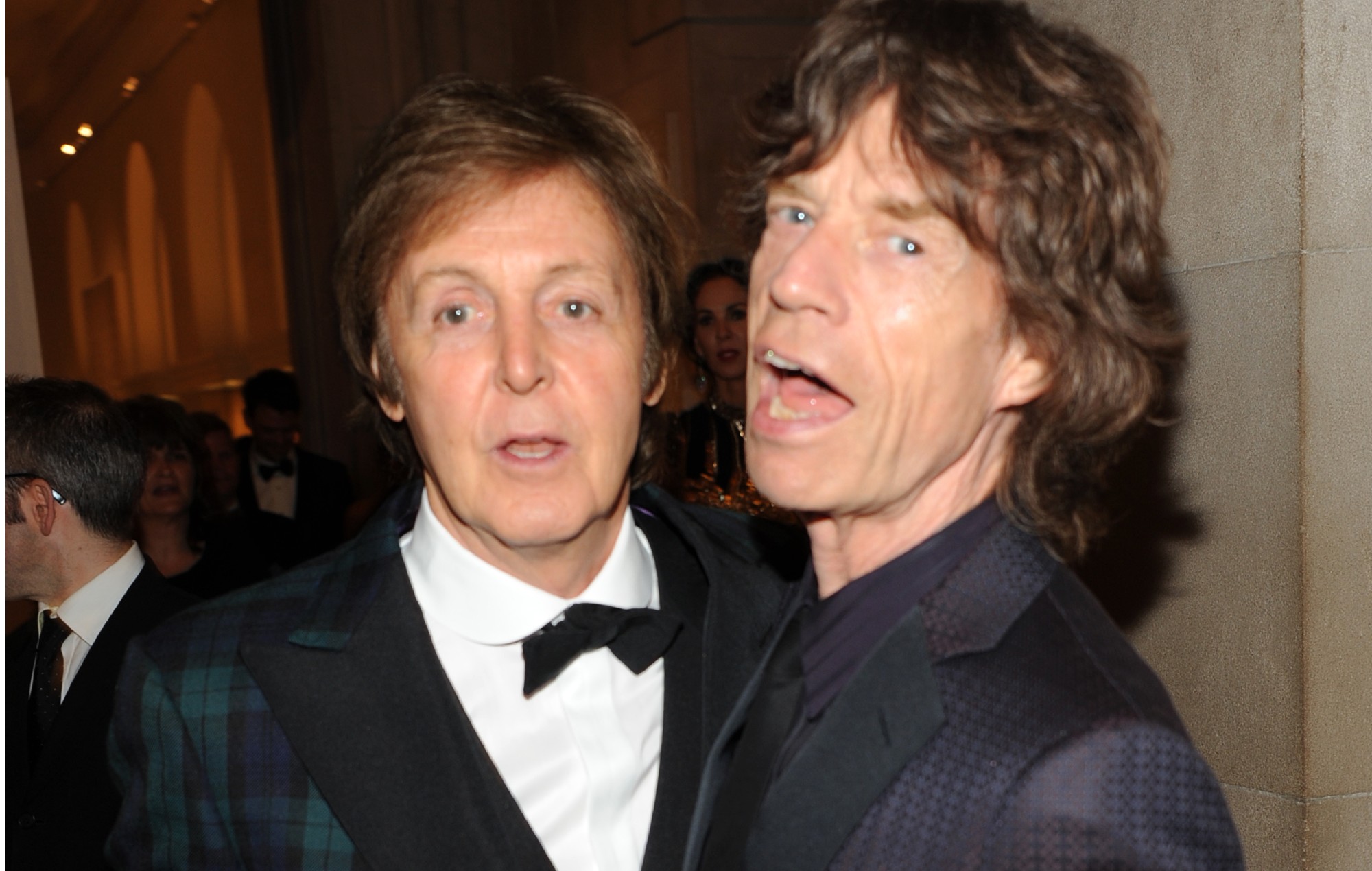 Paul McCartney shares his experience playing on The Rolling Stones’ latest album
 Review: aespa's second studio album 'Lemonade' mixes confidence and inconsistency