
 Guardian Readers' Responses to Analysis of Modern Rudeness
KillBait - News highlights delivered clearly and responsibly—no clickbait, no sensationalism
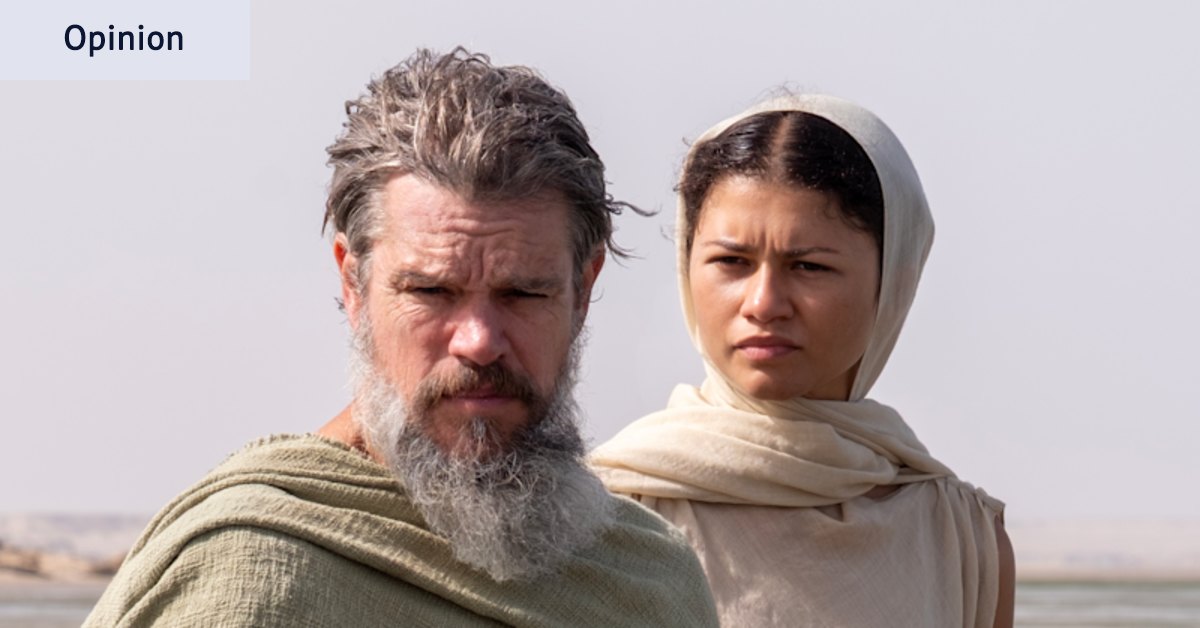
Photo: The Sydney Morning Herald
2026-07-25 04:34 Opinion 10


Revisiting 'Resting on Laurels': A Call for Balance in Modern Hustle Culture
The article explores the historical shift in meaning of the phrase 'resting on one's laurels,' originally a sign of achievement in Ancient Greece, now often misinterpreted as laziness.It traces the term's origin to mythological tales of Apollo and Daphne, where laurels symbolized victory.The piece critiques modern hustle culture, arguing for the importance of pausing after accomplishments rather than constantly pursuing new goals.
Using examples from literature like Tennyson's 'Ulysses,' it challenges the romanticization of relentless drive, advocating instead for contentment and reflection.The author calls for a cultural shift to value rest as much as productivity, emphasizing that exhaustion doesn't equate to accomplishment.
This reevaluation of the phrase aligns with broader discussions about work-life balance and the need to celebrate achievements without perpetuating burnout.
Full reading at The Sydney Morning Herald
2186
Original title: Odysseus didn’t rest on his laurels. But like the rest of us, maybe he should have
The AI system has determined that this news is clickbait/sensationalist: : The original title uses a provocative question ('maybe he should have') to grab attention, which is typical of clickbait tactics. It frames a historical discussion as a modern debate, creating sensationalism. This has coincided with the opinion of the majority of users.
You may also be interested in...
Guardian Readers' Responses to Analysis of Modern Rudeness
 Surviving Canberra's Harsh Winter: A Personal Account of Cold and Comfort
 Personal reflections on media nostalgia