
 WHO data highlights South Africa’s high suicide rate amid growing mental health challenges
KillBait - News highlights delivered clearly and responsibly—no clickbait, no sensationalism

Photo: TimesLIVE
2026-06-08 06:32 Health 10 


Rising Cybersecurity Risks in South Africa’s Healthcare Sector
South Africa has become the most targeted country in Africa for cyberattacks, with the healthcare sector facing an alarming rise in threats.Research by Unarine Jerritha Manari, a senior cybersecurity specialist at Nelson Mandela University, reveals that healthcare organisations in South Africa encounter an average of 1,626 cyberattacks per week, part of a broader African average of 3,575 attacks weekly.Weak governance, outdated systems, insufficient funding, and a shortage of skilled cybersecurity professionals exacerbate vulnerabilities.
These attacks not only jeopardise sensitive patient information but also threaten critical healthcare delivery, potentially delaying treatment, compromising patient data, and risking patient safety.
Major incidents in recent years, such as the 2024 BlackSuit ransomware attack on the National Health Laboratory Service during the Mpox outbreak, forced hospitals to revert to manual record-keeping, highlighting the sector’s fragility.
Manari emphasises that cybersecurity should be considered a patient safety priority, not merely an IT issue, particularly in under-resourced public facilities.
Strengthening cybersecurity is also crucial for public trust in digital health services, including telemedicine, and supports the growth of South Africa’s digital economy.Her research aims to guide better governance practices, inform policy, and improve secure healthcare access, especially in rural communities.
2186
Original title: Cyberattacks a growing threat to South Africa’s healthcare system
The AI system has determined that this news is not clickbait/sensationalist: : The original title accurately reflects the content and threat discussed in the article, without exaggeration or misleading language. This has coincided with the opinion of the majority of users.
You may also be interested in...
WHO data highlights South Africa’s high suicide rate amid growing mental health challenges
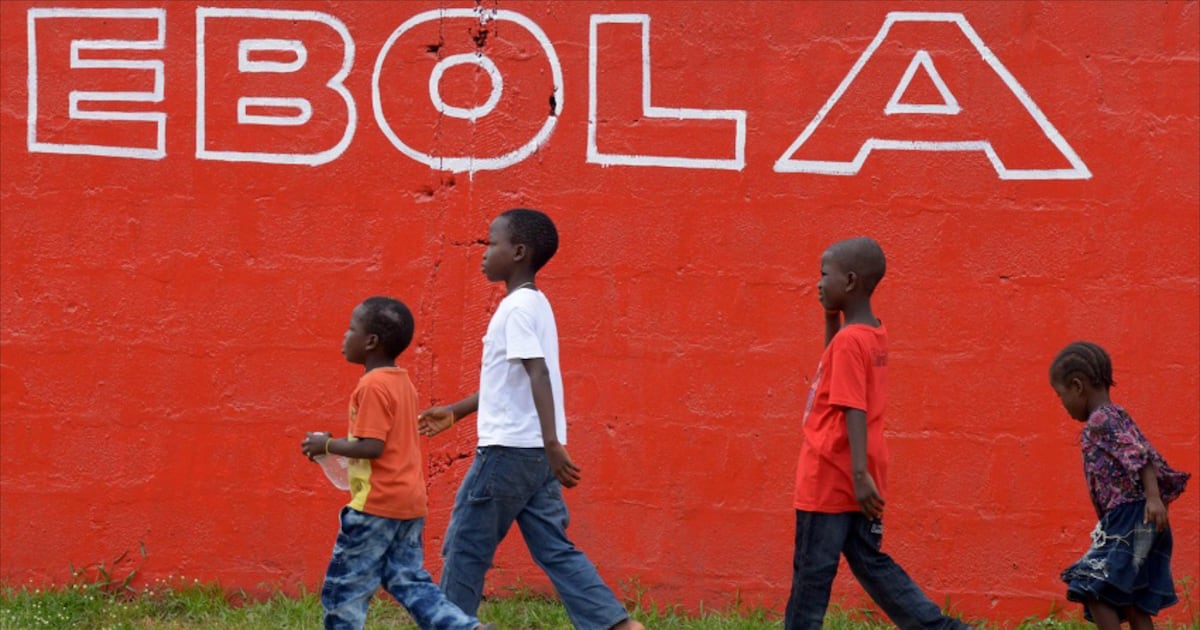 US commits additional Ebola funding as CDC warns DRC outbreak could become one of the largest on record
 China expands car exports as domestic market oversupply pushes growth abroad