
 New Regulations Impact Buy Now Pay Later Services
KillBait - News highlights delivered clearly and responsibly—no clickbait, no sensationalism
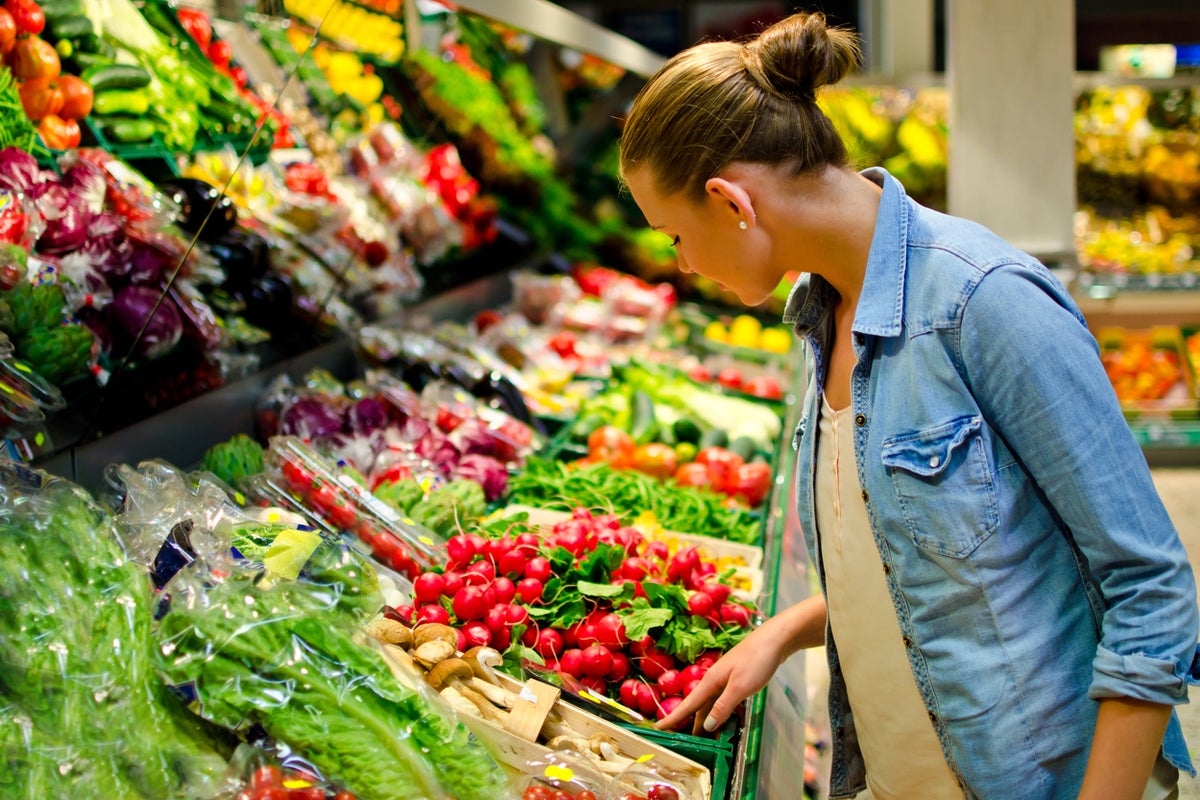
Photo: The Independent
2026-07-16 21:24 Economy 10


Rising Fresh Produce Prices and Consumer Strategies
The article examines the factors driving up the cost of fresh fruits and vegetables in the U.S., including extreme weather events, labor shortages, rising energy and shipping costs, and trade policy changes.Unusual freezes in Florida in 2026 disrupted crops like tomatoes, strawberries, and citrus, while the U.S.Commerce Department's withdrawal from the Tomato Suspension Agreement with Mexico imposed tariffs on imports, exacerbating supply issues.Fertilizer price spikes due to geopolitical tensions and increased fuel costs further strained the supply chain.These factors have led to significant price increases, with lettuce rising by 32% and tomatoes surging by 20%.Low-income households are disproportionately affected, with many reducing fresh produce purchases.The article advises consumers to opt for canned or frozen alternatives, which are more affordable and less impacted by supply chain volatility.Experts warn that sustained inflation in produce prices may persist due to the interconnected nature of these economic and environmental challenges.
Full reading at The Independent
2186
Original title: Why the price of fresh produce is rising — and what shoppers can do to cut costs
The AI system has determined that this news is clickbait/sensationalist: : The original title uses a question format and emphasizes consumer action, which aligns with clickbait tactics to attract readers seeking practical advice. This has coincided with the opinion of the majority of users.
You may also be interested in...
New Regulations Impact Buy Now Pay Later Services
 China's economic growth slows to 4.3% in second quarter
 UK government introduces new measures to address escalating cost-of-living crisis