
 Canadian Retail Sales Rise Mostly Due to Price Increases, Not Stronger Consumer Spending
KillBait - News highlights delivered clearly and responsibly—no clickbait, no sensationalism
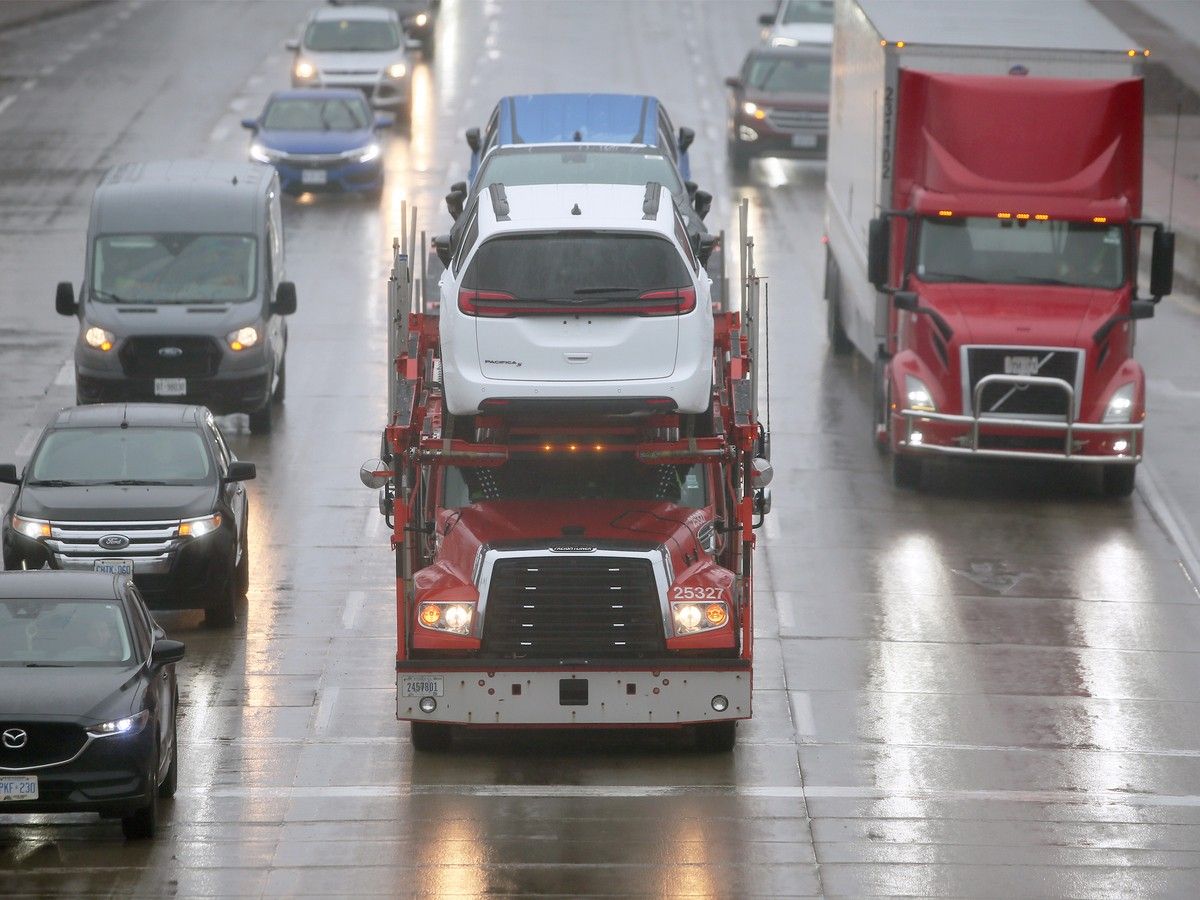
Photo: nationalpost
2026-05-21 11:20 Economy 13 


Rising fuel costs prompt Canadian delivery companies to add surcharges, affecting consumer prices
Canadians are facing another wave of price increases as delivery and trucking companies introduce new fuel surcharges in response to the war in Iran and subsequent global energy price hikes.
Documents obtained by the National Post reveal that companies are employing various mechanisms, such as flat rate increases, surcharges based on weight and distance, and higher minimum orders, to pass on the rising costs to their customers.Economists warn that these costs will inevitably be transferred to consumers, particularly in grocery stores, contributing to inflationary pressures.
Michael von Massow, a food agriculture economist at the University of Guelph, noted that these surcharges will be felt quickly in checkout lines, affecting a wide range of products beyond groceries, including parcel delivery, airline tickets, and even some public transit fares.
Some companies, like Maple Leaf Foods and CTS Food Brokers, emphasize that the surcharges are temporary and directly linked to fuel price fluctuations.However, for consumers, this represents a double hit: paying more at the pump and then again at the store.Statistics Canada reported that inflation reached 2.8 per cent in April, the highest since May 2024, with gas prices jumping 28.6 per cent year-over-year.
Analysts warn that continued fuel price volatility could maintain upward pressure on prices across the economy, highlighting the interconnectedness of transportation costs and consumer pricing.
2241
Original title: New fuel surcharges on groceries and more making ‘almost everything in the economy’ more expensive
The AI system has determined that this news is clickbait/sensationalist: : The original title exaggerates the impact by claiming 'almost everything in the economy' is more expensive, which is a sensationalist phrasing meant to attract clicks. This has coincided with the opinion of the majority of users.
You may also be interested in...
Canadian Retail Sales Rise Mostly Due to Price Increases, Not Stronger Consumer Spending
 Saskatchewan families with part-time child care face changes under $10-a-day funding update
 World Cup drives surge in temporary and gig employment in Toronto and Vancouver