
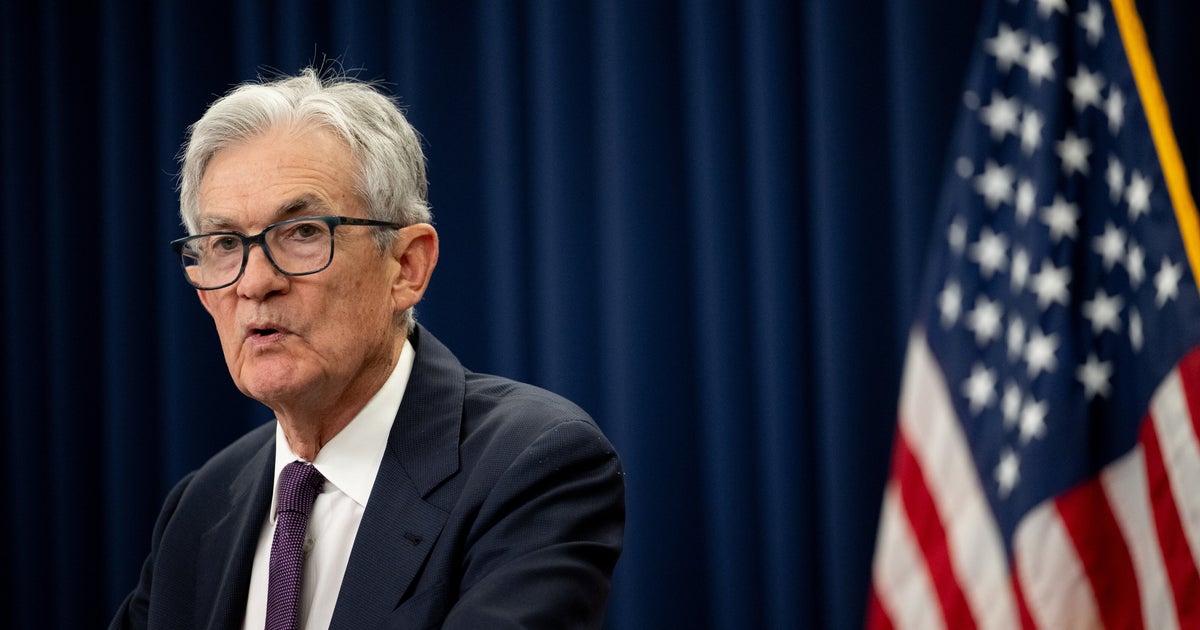
 Jerome Powell Warns Political Interference in the Federal Reserve Threatens Public Confidence
KillBait - News highlights delivered clearly and responsibly—no clickbait, no sensationalism
Photo: HuffPost
2026-05-25 07:09 Economy 12 


Rising U.S. Treasury Yields Pressure Washington Amid Inflation, War Concerns, and Policy Debate
U.S.financial markets are facing renewed pressure as Treasury yields rise sharply, testing Washington’s ability to manage higher borrowing costs amid geopolitical tensions and domestic economic uncertainty.Benchmark 10-year Treasury yields have climbed well above 4.
5%, briefly reaching levels not seen since early 2025, as investors react to concerns over inflation, government spending, and the ongoing war involving the United States, Israel, and Iran.
The bond market’s reaction is being closely watched because rising yields increase borrowing costs across the economy, affecting mortgages, credit cards, business loans, and overall financial stability.
Market participants say these higher rates could cool housing demand and consumer spending, potentially slowing economic growth or even increasing recession risks if sustained.
At the same time, Federal Reserve officials are debating whether persistent inflation pressures may require maintaining or even increasing interest rates, rather than cutting them as some political leaders have urged.
The White House and Treasury officials, including Treasury Secretary Scott Bessent, have suggested that the recent surge in yields is temporary and largely tied to geopolitical shocks and energy market disruptions linked to the conflict.
Investors are also sensitive to political signals, particularly statements from President Donald Trump regarding potential peace progress with Iran, which have briefly eased market pressures.However, uncertainty remains high, and Republicans in Congress have expressed concern about continued spending ahead of upcoming midterm elections.
Analysts emphasize that the bond market acts as a powerful constraint on policy, often forcing governments to consider investor confidence when making fiscal decisions.
While equity and credit markets have so far remained stable, economists warn that a sustained rise toward the 5% yield level could create broader financial stress.
Ultimately, the trajectory of inflation, geopolitical developments, and Federal Reserve policy will determine whether current pressures persist or ease in the months ahead.
2224
Original title: U.S. Treasury Rout Tests Washington's Tolerance For Higher Borrowing Costs
The AI system has determined that this news is not clickbait/sensationalist: : The original title is descriptive and fact-based, summarizing the economic situation without exaggerated language or sensational framing. This has coincided with the opinion of the majority of users.
You may also be interested in...
Jerome Powell Warns Political Interference in the Federal Reserve Threatens Public Confidence
 Kevin Hassett faces criticism after comments on credit card delinquencies in Fox News interview
 Debate Emerges Over Inflation Metrics as Trump Fed Nominee Kevin Warsh Faces Criticism