
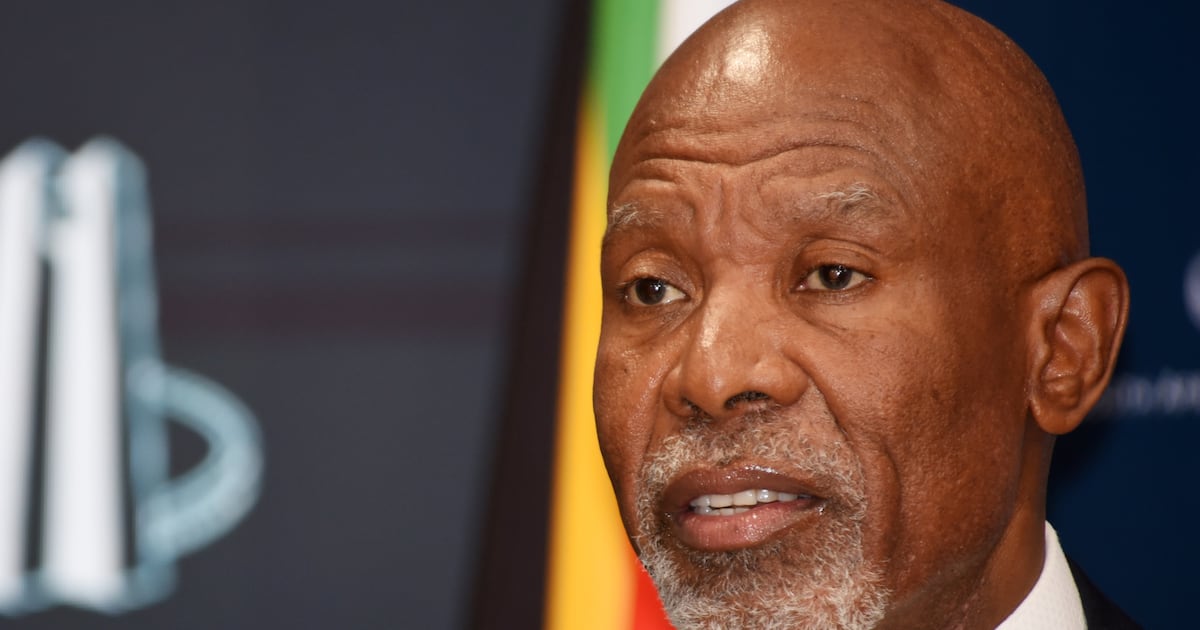
 SARB raises repo rate to 7% amid rising inflation and global economic pressures
KillBait - News highlights delivered clearly and responsibly—no clickbait, no sensationalism
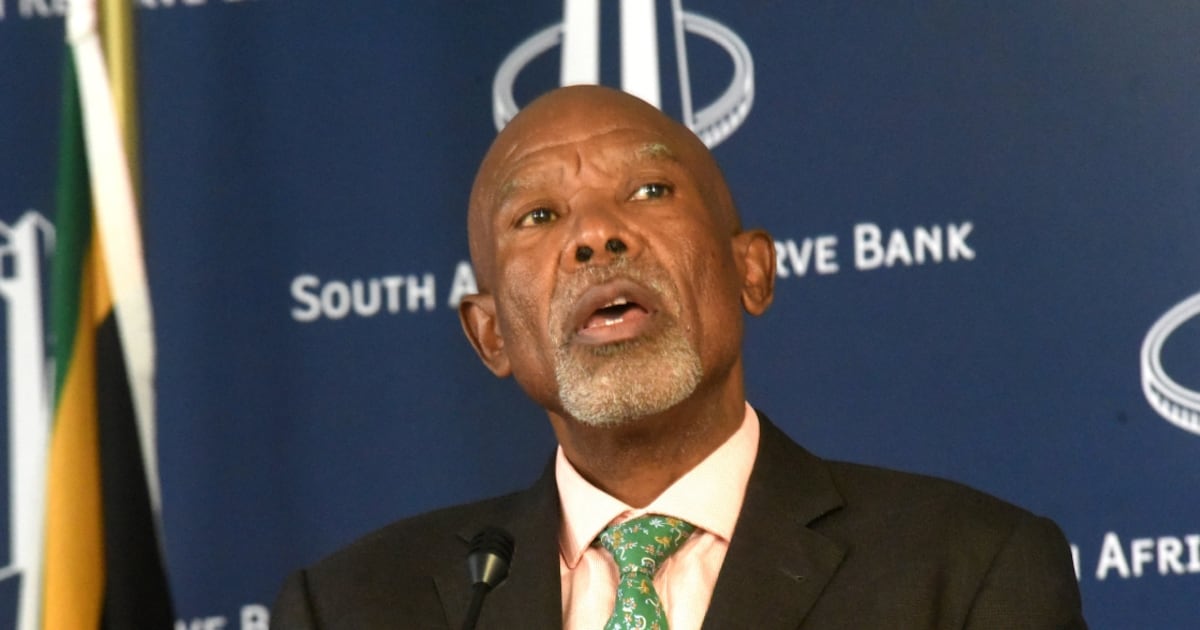
Photo: Sowetan
2026-05-28 19:47 Economy 10 


SARB raises repo rate to 7% amid rising inflation risks driven by oil and food prices
The South African Reserve Bank (SARB) has increased its main policy interest rate by 25 basis points to 7%, citing growing inflation risks linked to rising global oil prices and persistent pressure on food costs.
The decision was announced following the Monetary Policy Committee (MPC) meeting held on Thursday, where members were divided on the appropriate course of action.Four members supported the rate hike, while two preferred to keep the rate unchanged at 6.75%.
SARB Governor Lesetja Kganyago explained that global conditions have deteriorated since the previous meeting, particularly due to ongoing instability in the Middle East, which has disrupted oil flows through key supply routes such as the Strait of Hormuz.Oil prices have been fluctuating around the $100 per barrel mark, contributing to higher inflation forecasts and weaker global growth expectations.The SARB now projects headline inflation to average 4.4% in 2026, easing to 3.7% in 2027 before returning to the 3% target in 2028.Core inflation is also expected to rise, peaking early next year, as higher input costs feed through the economy.Kganyago warned of possible second-round effects, where inflation pressures spread into wages and inflation expectations.He also highlighted increased costs in agriculture due to diesel and fertiliser prices, which are likely to sustain food inflation.
Despite downside risks to economic growth, he noted that South Africa’s macroeconomic fundamentals remain relatively resilient, supported by improved investor sentiment, including Moody’s positive outlook on the sovereign credit rating.
The rate hike reflects the SARB’s cautious stance as it attempts to balance inflation control with supporting economic recovery in a challenging global environment.
2186
Original title: Reserve Bank hikes key interest rate to 7% as inflation risks intensify
The AI system has determined that this news is not clickbait/sensationalist: : The title is factual and directly describes the main policy action and economic context without sensational language or exaggeration, making it informational rather than clickbait. This has coincided with the opinion of the majority of users.
You may also be interested in...
SARB raises repo rate to 7% amid rising inflation and global economic pressures
 Sarb increases repo rate to 7% as oil-driven inflation pressures grow
 Broker choice becomes critical as USD/ZAR volatility rises during SARB rate uncertainty