
 OpenAI Designates GPT 5.6 as Preferred Model for Microsoft Copilot 365
KillBait - News highlights delivered clearly and responsibly—no clickbait, no sensationalism
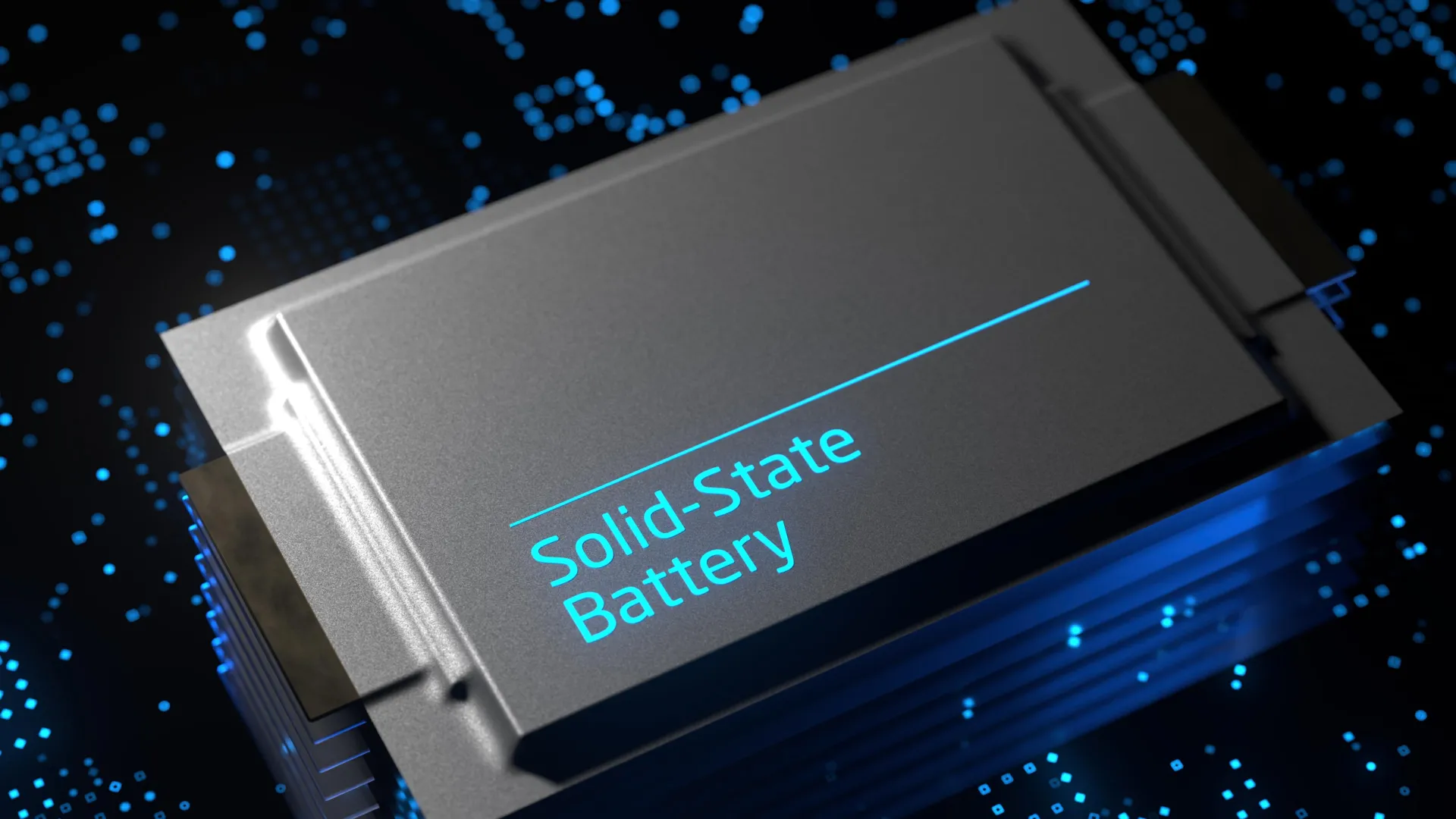
Photo: ScienceDaily
2026-07-10 17:42 Technology 10


Scientists Solve Dendrite-Induced Short Circuits in Solid-State Batteries
Researchers at the Max Planck Institute for Sustainable Materials have identified how soft lithium dendrites penetrate hard ceramic electrolytes in solid-state batteries, causing short circuits.
This breakthrough addresses a major barrier to commercializing these batteries, which promise higher energy density, improved safety, and longer lifespans for smartphones, electric vehicles, and other electronics.The study, published in Nature, revealed that dendrites generate hydrostatic stress that fractures the ceramic electrolyte.Using advanced techniques under vacuum and cryogenic conditions, the team ruled out previous hypotheses about internal stress or electron leakage.Solutions include making electrolytes tougher, introducing voids to redirect dendrite growth, and applying protective coatings to lithium electrodes.
This discovery could accelerate the development of safer, more efficient batteries, potentially revolutionizing energy storage for future technologies.
2186
Original title: The biggest problem with solid-state batteries may finally be solved
The AI system has determined that this news is clickbait/sensationalist: : The original title uses hyperbolic language like 'may finally be solved' to create urgency, which is typical of clickbait headlines. This has coincided with the opinion of the majority of users.
You may also be interested in...
OpenAI Designates GPT 5.6 as Preferred Model for Microsoft Copilot 365
 Surgeons Use Humanoid Robots to Perform First Minimally Invasive Surgeries on Live Pigs
 Vivo and Dixon Technologies Launch Joint Venture to Expand Smartphone Manufacturing in India