
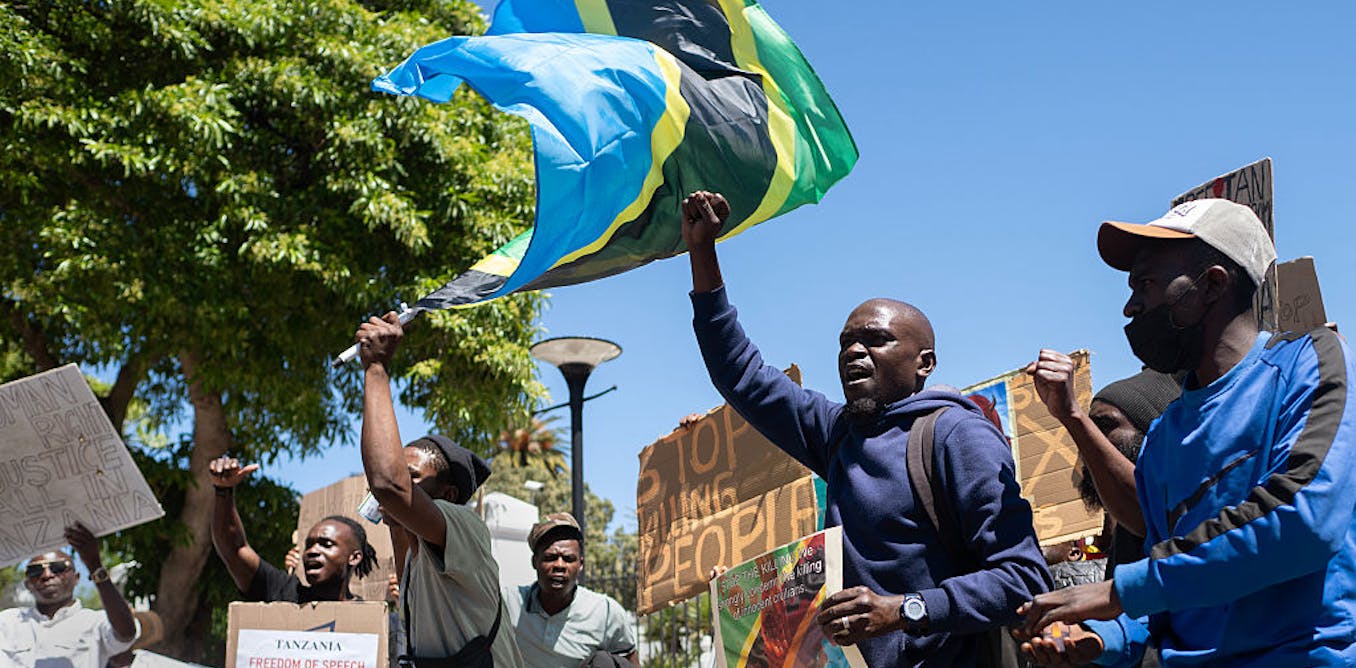
 Tanzania reimposes ban on political rallies amid post-election tensions
KillBait - News highlights delivered clearly and responsibly—no clickbait, no sensationalism
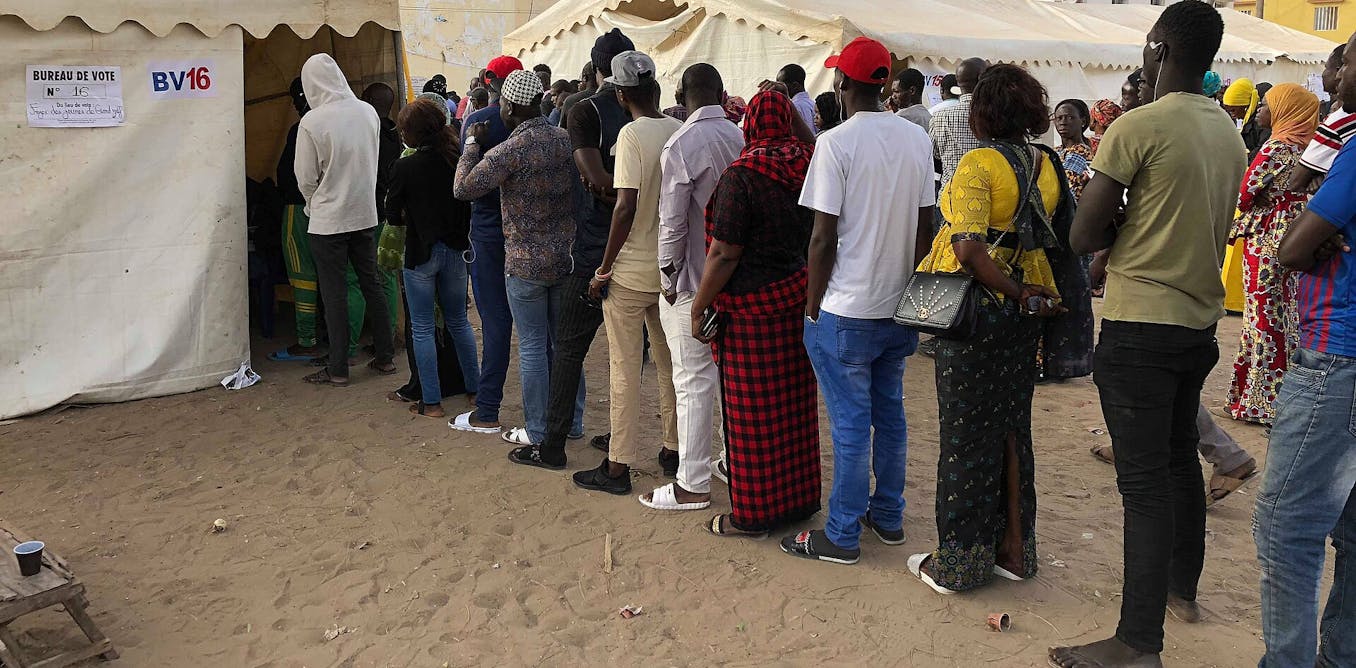
Photo: The Conversation
2026-07-10 13:11 Politics 11


Senegal's Political Shifts and Their Impact on Governance
The article discusses Senegal's three political transitions since 2000, highlighting the shift from peaceful to violent power changes.While the country maintains its ability to transfer power through elections, the article questions if these changes have led to the expected economic, social, and institutional transformations.Despite the peaceful nature of power transitions, electoral violence has intensified, with 2023 being more violent than 2011.
The third alternance under PASTEF in 2024 was expected to bring a new era of sovereignty and reform, but tensions between President Bassirou Diomaye Faye and Prime Minister Ousmane Sonko have emerged.The piece also notes the limitations of public policies post-alternance, such as unemployment, emigration, and reduced purchasing power.
While PASTEF's rise marks a shift towards technocrats, economic and political challenges persist, including institutional distrust and power consolidation.
The article warns that current tensions could lead to regression and emphasizes the need for leaders to address citizen demands through peaceful means rather than relying on elections alone.
Full reading at The Conversation
2206
Original title: Sénégal : les leçons de trois alternances politiques depuis 2000
The AI system has determined that this news is not clickbait/sensationalist: : The original title is factual and informative, focusing on the analysis of political transitions rather than sensationalizing events. This has coincided with the opinion of the majority of users.
You may also be interested in...
Tanzania reimposes ban on political rallies amid post-election tensions
 Reps Deputy Speaker Urges Media to Report on Parliamentary Activities
 Electoral Fraud Fuels Insecurity In Nigeria, Says Odinkalu