
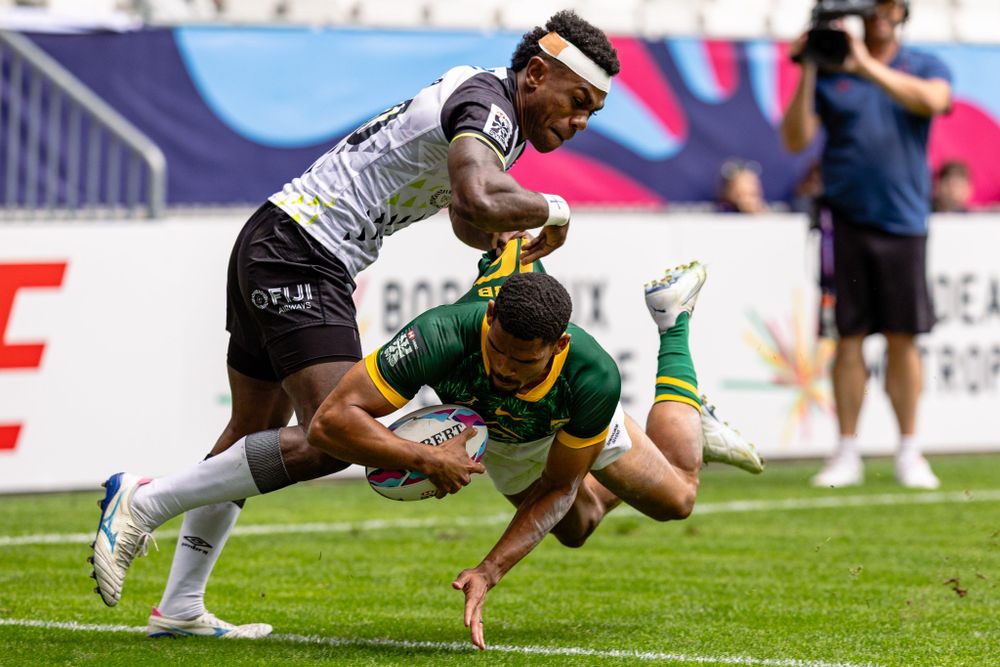
 Blitzboks secure second consecutive SVNS World Championship title with quarter-final victory over Fiji
KillBait - News highlights delivered clearly and responsibly—no clickbait, no sensationalism
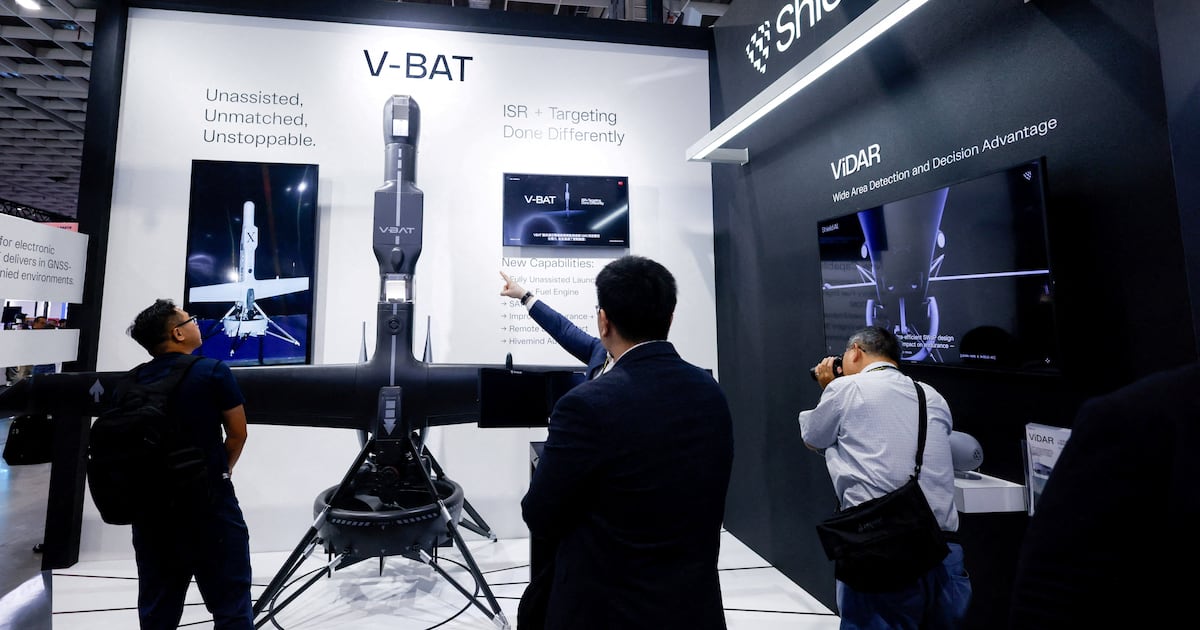
Photo: Sowetan
2026-06-07 14:21 Technology 10 


Shield AI faces scrutiny after repeated V-BAT drone crashes, safety incidents and whistleblower allegations
Shield AI, a Silicon Valley defence technology company valued at approximately US$12.7 billion, is facing renewed scrutiny following a serious injury involving one of its V-BAT military drones.
On 12 May 2026, a Romanian Navy official lost two fingers and suffered a fracture to a third finger when her hand was caught in a V-BAT propeller during a training exercise off the Texas coast.The incident occurred despite the company having previously introduced safety improvements after a similar accident involving a US Navy official.According to a Reuters investigation, the V-BAT programme has experienced significant technical and safety challenges.
More than 50 of roughly 200 upgraded V-BAT drones in Shield AI's internal fleet reportedly crashed during testing or training over the past 18 months.Former employees, investors and industry sources also raised concerns about the company's handling of safety issues and technical shortcomings.
A whistleblower complaint filed by former product manager Jacob Miller alleges that Shield AI concealed technical problems from military customers, including claims that some demonstrations misrepresented the drone's autonomous capabilities.The complaint further alleges that crash and mishap reports were altered to present a more favourable picture of performance.Shield AI denies wrongdoing, states that the claims lack merit, and says it intends to defend itself against ongoing litigation.
The company maintains that the V-BAT has accumulated around 18,000 flight hours since 2019 and remains one of the most operationally proven vertical take-off and landing military drones in service.Shield AI argues that the recent injury resulted from a breach of established safety procedures rather than a product defect.Despite the controversies, Shield AI continues to secure major defence opportunities.
The company is developing the larger X-BAT drone and has received a Pentagon contract related to the programme, highlighting the growing demand for autonomous military technologies.
2189
Original title: Drone crashes and severed fingers at a $13bn Silicon Valley military startup
The AI system has determined that this news is not clickbait/sensationalist: : The title accurately reflects the central events reported in the article, namely drone crashes and severe injuries involving Shield AI's V-BAT programme. While the wording is attention-grabbing because of the seriousness of the incidents, it is supported by the facts presented and is not misleading. This has coincided with the opinion of the majority of users.
You may also be interested in...
Blitzboks secure second consecutive SVNS World Championship title with quarter-final victory over Fiji
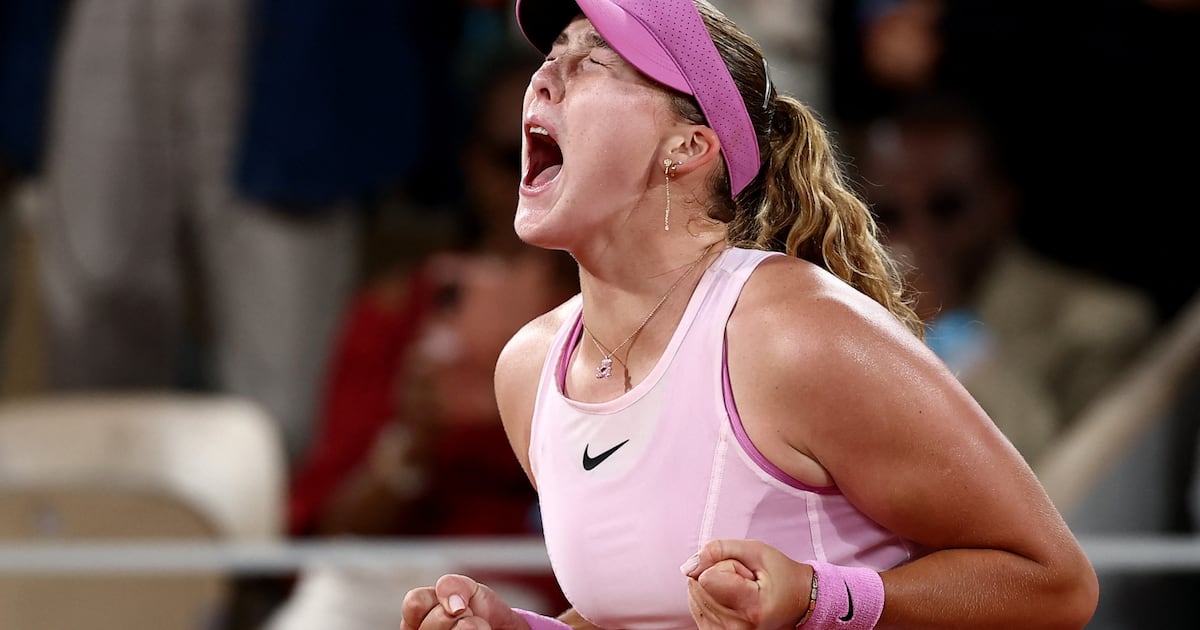 Mirra Andreeva wins French Open at 19, becoming youngest champion in over 30 years
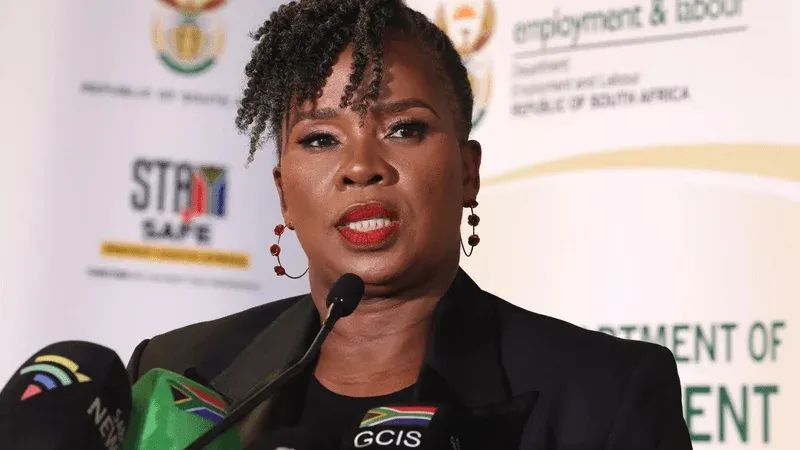 ANC supports government-led mediation in Pick n Pay retrenchment dispute impacting thousands of workers