
 Ethiopia's Inflation Surges Amid Rising Food and Non-Food Costs
KillBait - News highlights delivered clearly and responsibly—no clickbait, no sensationalism
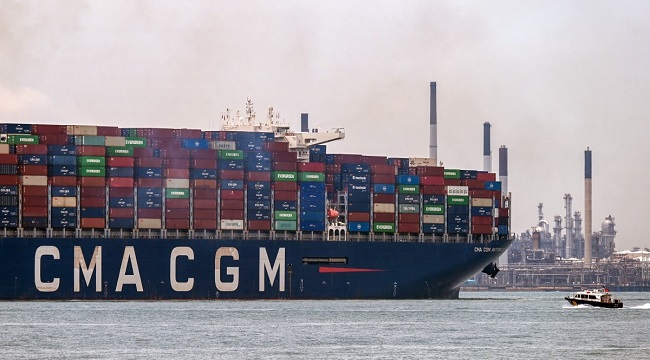
Photo: Channels Television
2026-07-27 12:56 Economy 10


Singapore Adjusts Monetary Policy Amid Inflation Fears and Middle East Tensions
Singapore's Monetary Authority (MAS) has tightened monetary policy again, raising the trade-weighted value of the Singapore dollar to combat inflation driven by global energy prices.
The decision comes as tensions in the Middle East persist due to ongoing US-Israel attacks on Iran since February 28, 2026, keeping oil prices high and destabilizing energy markets.The MAS warns that rising import costs for food and energy will likely increase living expenses in Singapore, which relies heavily on imports.
Unlike other central banks, Singapore manages inflation by adjusting the dollar's value against a basket of currencies rather than setting interest rates.
The MAS forecasts core inflation to rise in July 2026 and stay elevated into early 2027, cautioning that renewed supply disruptions in the Middle East could cause sharp oil price spikes.This marks the second time MAS has tightened policy in three months, following a similar move in April 2026.
The central bank emphasizes that a strong dollar mitigates import cost impacts but remains vigilant about potential inflationary pressures from geopolitical conflicts.
Full reading at Channels Television
2186
Original title: Singapore Tightens Monetary Policy As Iran War Drags
The AI system has determined that this news is not clickbait/sensationalist: : The original title uses 'drags' which could be seen as dramatic, but it accurately reflects the prolonged impact of the Iran conflict on economic policies. The phrasing isn't overtly clickbait as it's factually grounded in current events. This has coincided with the opinion of the majority of users.
You may also be interested in...
Ethiopia's Inflation Surges Amid Rising Food and Non-Food Costs
 NBAIS budgets N18bn for staff and infrastructure projects
 Nigeria Faces Prolonged High Interest Rates as Yields Become Standard