
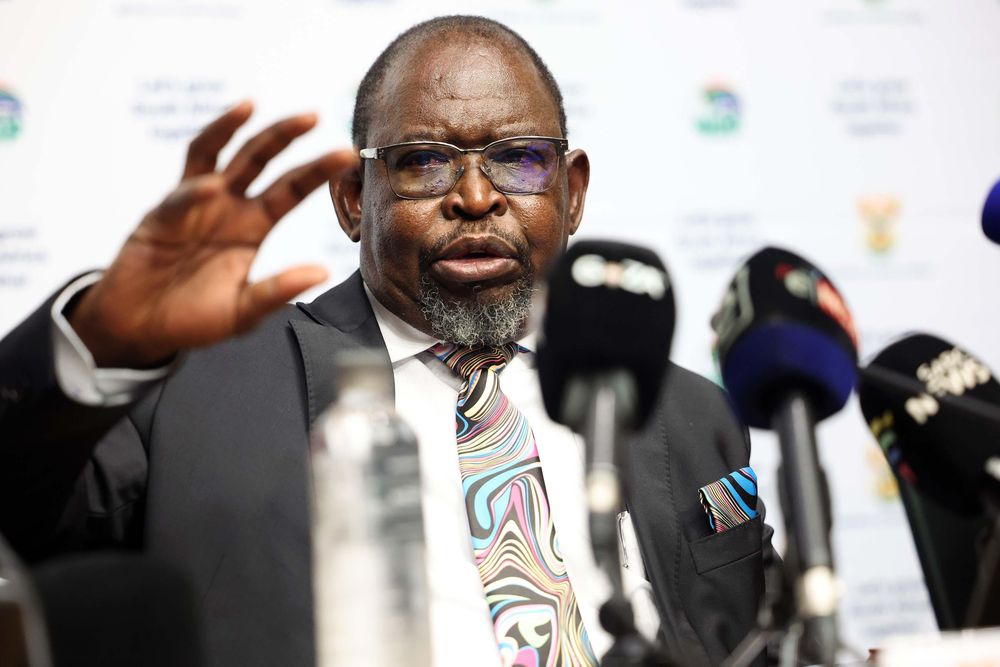
 Municipal Financial Crisis Threatens South Africa's Economy
KillBait - News highlights delivered clearly and responsibly—no clickbait, no sensationalism

Photo: TimesLIVE
2026-07-13 10:56 Economy 10


South Africa's GDP Measurement Crisis and the R14.3-Trillion Structural Deficit
Pali Lehohla's article critiques South Africa's GDP measurement system, which incorrectly attributes economic output to Gauteng corporate headquarters rather than where value is actually created.This misallocation has resulted in a R14.3-trillion structural deficit, siphoning wealth from provinces like Mpumalanga and Limpopo to metropolitan enclaves.
The author proposes a systemic overhaul, advocating for a balanced state-community investment model that prioritizes local asset ownership and communal self-management.This approach aims to re-anchor economic value at the provincial level, addressing unemployment traps and resource externalisation.
The article highlights how passive grants and unanchored cash flows exacerbate the crisis, creating a multi-spatial collapse where local intermediate multipliers are bypassed.
By adopting an 'out-in' methodology, the author argues for a more accurate national mesh audit to quantify the siphon mechanism and restore multi-generational wealth aggregation.The piece underscores the need for policy reform to prevent further economic hollowing and to create sustainable, community-driven development.
2186
Original title: The siphon that hollows out trillions mandates a systematic do-over
The AI system has determined that this news is clickbait/sensationalist: : The original title uses hyperbolic language ('hollows out trillions') and a vague phrase ('systematic do-over') to sensationalise the economic critique, which is more suited to clickbait than balanced reporting. This has coincided with the opinion of the majority of users.
You may also be interested in...
Municipal Financial Crisis Threatens South Africa's Economy
 Cape Town boosts youth opportunities with R227 million library upgrades and BPO sector support
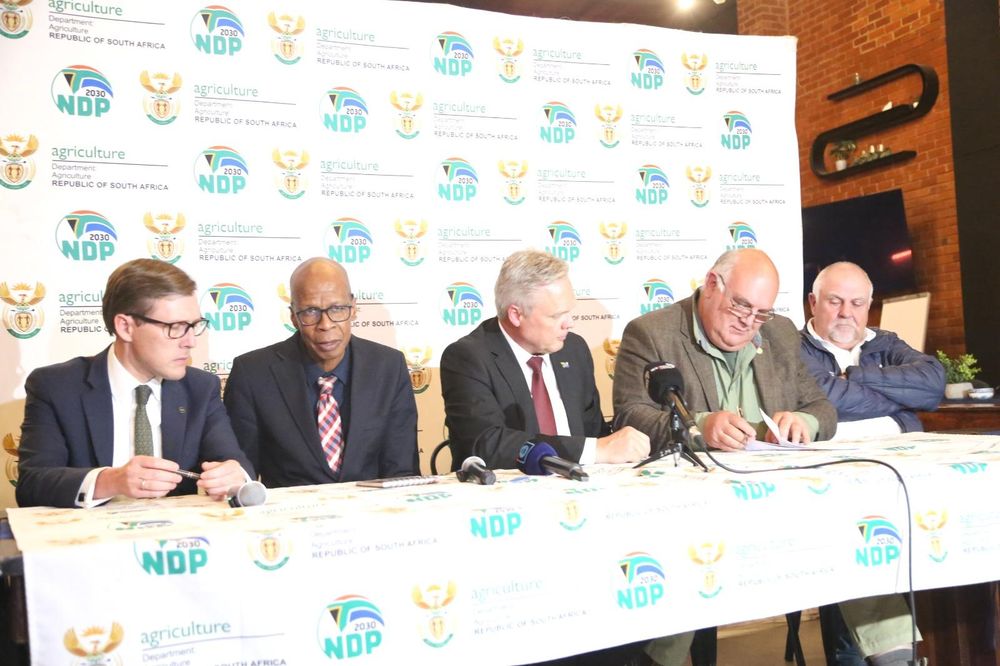 Government Allows Private Vaccination Against Foot and Mouth Disease for South African Farmers