
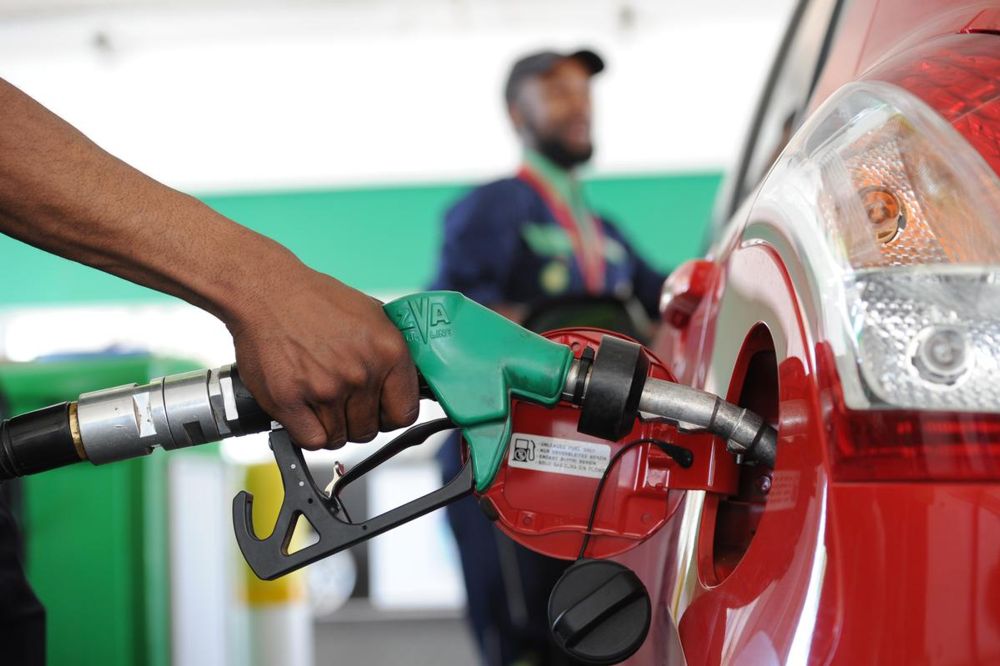
 Fuel Price Surge Sparks Two-Year High Inflation in South Africa
KillBait - News highlights delivered clearly and responsibly—no clickbait, no sensationalism
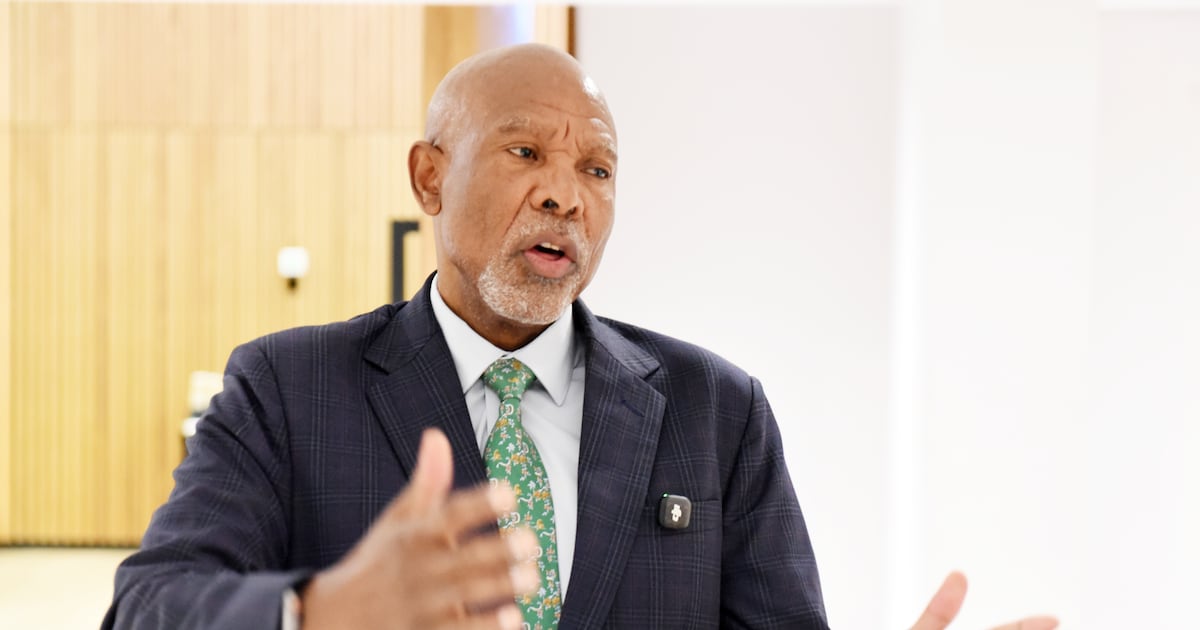
Photo: Sowetan
2026-07-22 16:20 Economy 10


South Africa's Inflation Surpasses 5% in June, Prompting Possible Rate Hike
Consumer inflation in South Africa accelerated to 5% year-on-year in June, up from 4.5% in May, according to data released on Wednesday.This surge, driven primarily by transport costs (12.7%) and housing and utilities inflation, has intensified pressure on the South African Reserve Bank (Sarb) to consider another interest rate hike.
The Bank's policy meeting on Thursday faces heightened scrutiny as inflation remains above its 2% to 4% target range for the second consecutive month.
Governor Lesetja Kganyago emphasized the urgency of acting promptly to prevent entrenched inflation expectations, noting that delays could risk long-term economic stability.The rise in inflation coincides with global oil price volatility, as tensions between the US and Iran disrupt supply chains.Oil prices surged to six-week highs amid fears of further supply disruptions, compounding concerns about fuel costs.The Bank's previous rate hike to 7% in May followed a sharp inflation spike to 4% in April, driven by fuel prices.
Analysts warn that prolonged high inflation could erode purchasing power and strain household budgets, particularly in a context of rising living costs.
The Sarb's decision will balance immediate inflation control with potential impacts on economic growth, reflecting the complex challenges of monetary policy in a volatile global environment.
2186
Original title: Inflation spikes to 5% in June, all but cementing case for rate hike
The AI system has determined that this news is clickbait/sensationalist: : The original title uses hyperbolic language ('all but cementing case') to create urgency, which is more sensational than factual. The phrase 'spikes to 5%' exaggerates the significance of the inflation rate without context. This has coincided with the opinion of the majority of users.
You may also be interested in...
Fuel Price Surge Sparks Two-Year High Inflation in South Africa
 Government and academia partner to advance sustainable electricity solutions in South Africa
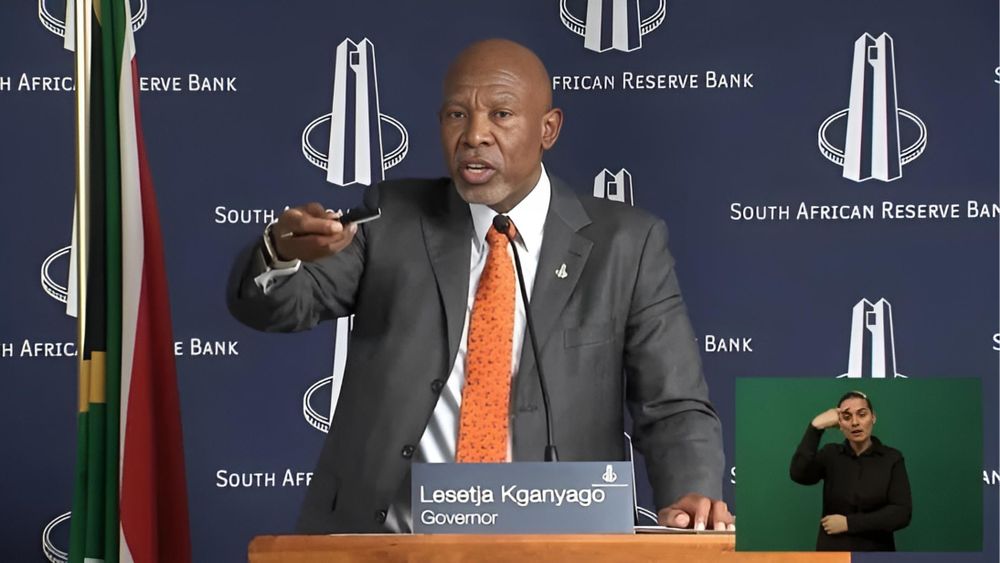 South Africa's Reserve Bank faces inflation pressures due to Middle East conflict and rising oil prices