
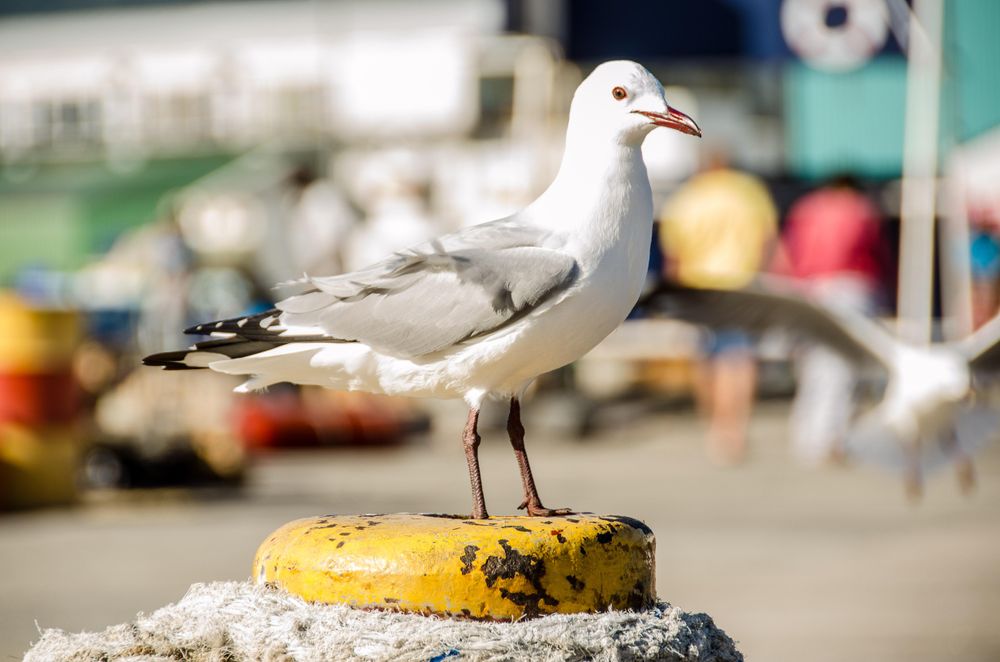
 South Africa Warns Against Coastline Contact Amid Avian Influenza Outbreak
KillBait - News highlights delivered clearly and responsibly—no clickbait, no sensationalism

Photo: allAfrica.com
2026-07-08 19:05 Environment 10


South Africa Study Reveals Toxic Chemicals in Children's Products via Recycling
A University of Cape Town (UCT) study has uncovered traces of banned toxic chemicals in various children's products sold in South Africa, highlighting concerns about contamination through recycled materials.
The research, conducted by Rebecca Mlelwa as part of her PhD, found that 38% of analysed products contained bromine and 90% had antimony, indicators of legacy brominated flame retardants.These chemicals, once used in electronics, were banned globally due to health risks like endocrine disruption and cancer.
The study focused on 138 new and second-hand items, including Rubik's Cubes, toy phones, and car seats, revealing contamination likely from recycled electronic waste.
Researchers warn that while recycling is vital, it must not compromise children's health, as their bodies are less efficient at detoxifying harmful substances.
The findings stress the need for stricter regulations, product screening, and transparency in supply chains to prevent toxic chemicals from re-entering consumer goods.
The study underscores the importance of safeguarding children, who are particularly vulnerable to chemical exposure through play and contact with contaminated items.
2186
Original title: UCT Study Finds Traces of Banned Toxic Chemicals in Children's Products
The AI system has determined that this news is not clickbait/sensationalist: : The original title is factual and avoids sensationalism by focusing on the study's findings rather than dramatizing the issue. This has coincided with the opinion of the majority of users.
You may also be interested in...
South Africa Warns Against Coastline Contact Amid Avian Influenza Outbreak
 New Afrikaans Series Highlights Western Cape's Marine Protected Areas
 South Africa's Path to Sustainable Energy Independence