
 Ogoni stakeholders support dialogue with Nigerian government to resolve 33-year oil conflict
KillBait - News highlights delivered clearly and responsibly—no clickbait, no sensationalism
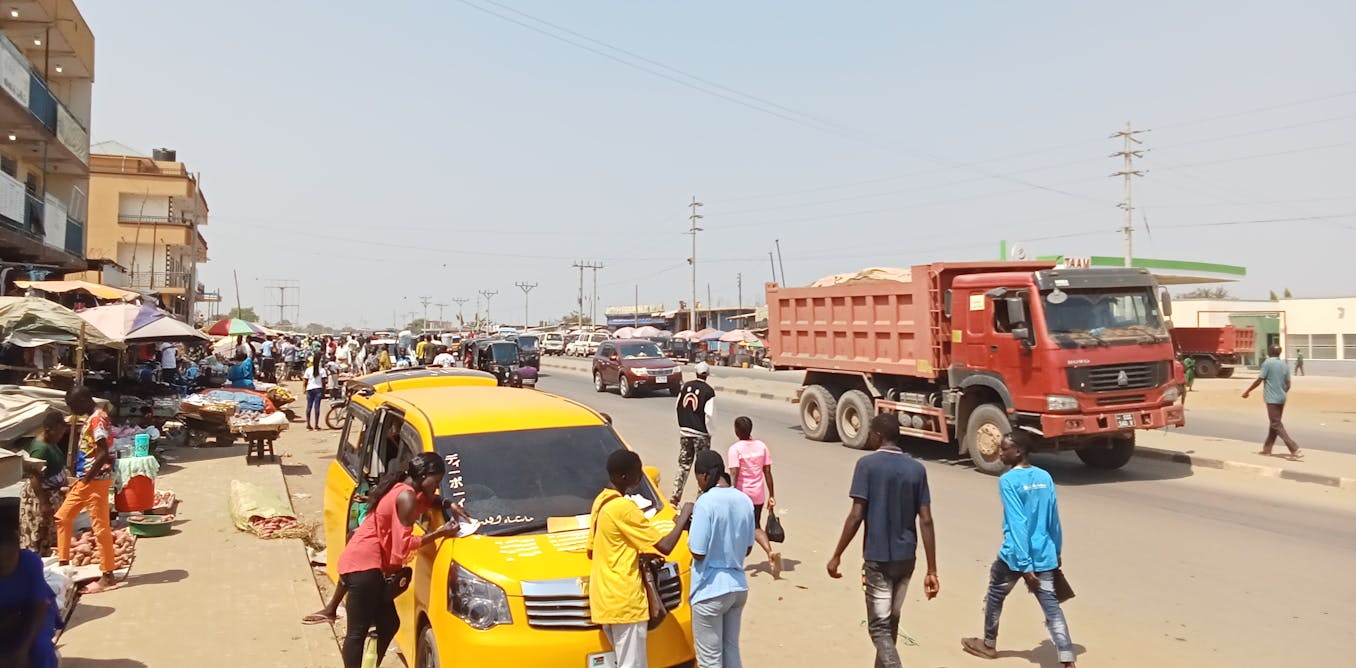
Photo: The Conversation
2026-07-07 18:29 Conflict 10


South Sudan's peace agreements perpetuate war economies through elite control
The article explores how South Sudan's political elite have maintained power by integrating war economies into peace agreements.Despite formal independence in 2011, the country has experienced repeated cycles of conflict and failed peace deals.
The author argues that peace agreements often preserve systems that make violence profitable, such as coercive revenue collection and resource extraction.These systems, which include taxation, oil revenues, and forced labor, are enforced through military and security forces.The analysis shows that peace processes redistribute access to resources among elites while keeping wartime structures intact.This creates a 'predatory peace' where violence shifts from battlefields to revenue systems, with civilians bearing the cost.
The article highlights how political settlements in South Sudan, like those in Angola and the DRC, prioritize elite control over public goods, perpetuating cycles of conflict and corruption.
Full reading at The Conversation
2186
Original title: South Sudan at 15: how the political elite have found a way to profit from peace as well as war
The AI system has determined that this news is clickbait/sensationalist: : The original title uses dramatic language ('profit from peace as well as war') to attract attention, which is typical of clickbait headlines. The content, while important, is presented in a way that emphasizes sensational aspects over balanced analysis. This has coincided with the opinion of the majority of users.
You may also be interested in...
Ogoni stakeholders support dialogue with Nigerian government to resolve 33-year oil conflict
 Violence erupts in Cross River community as farmer killed and others injured in attack
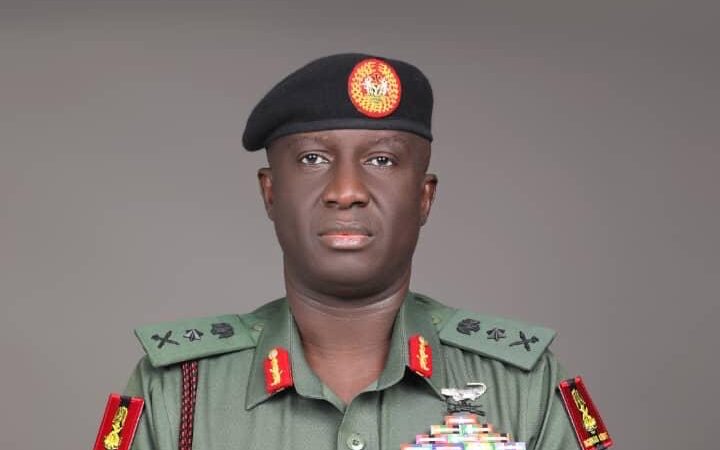 Army Chief says operation to rescue abducted Oyo pupils and teachers is making significant progress