
 Springboks coach Rassie Erasmus targets experienced squad for Wales clash after Scotland victory
KillBait - News highlights delivered clearly and responsibly—no clickbait, no sensationalism
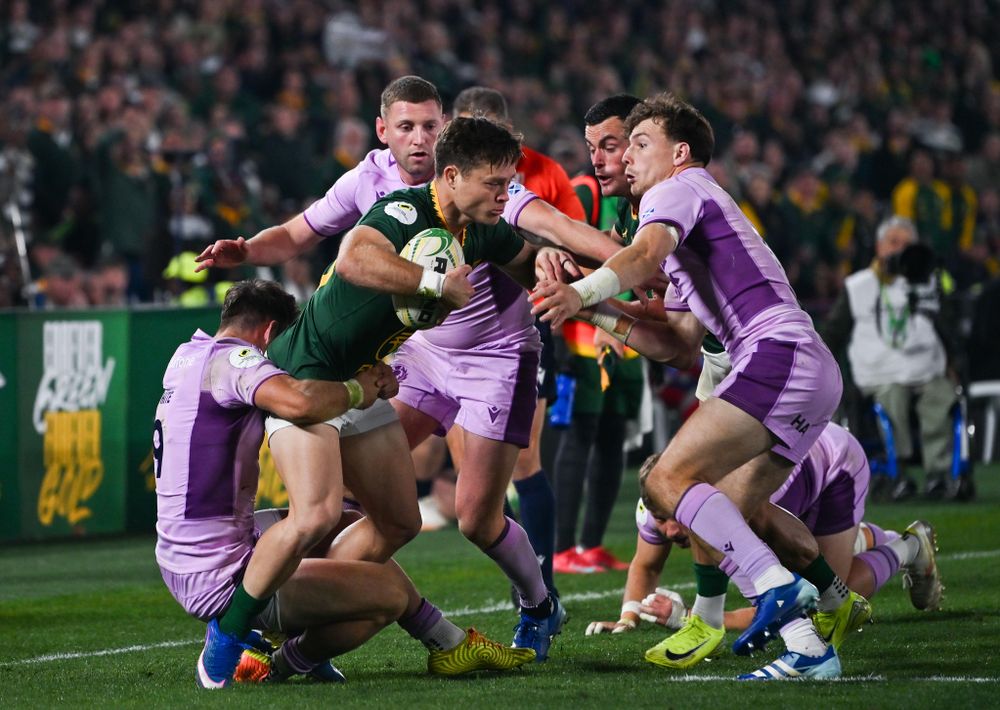
Photo: IOL
2026-07-12 17:04 Sports 10


Springboks' Tactical Versatility and Quan Horn's Adaptability Secured Victory Against Scotland
The Springboks showcased their tactical versatility during a crucial match against Scotland, with coach Rassie Erasmus opting for a 6-2 bench split that tested the adaptability of his players.
Key substitutions, driven by injuries and strategic needs, saw fullback Aphelele Fassi move to wing, Damian Willemse shift to No 15, and Handré Pollard transition to inside centre.Quan Horn, initially a utility-back, was thrust into the fly-half role for significant portions of the second half.Horn’s performance, supported by Pollard’s guidance, highlighted the team’s ability to adapt under pressure.The experiment underscored the importance of versatility in modern rugby, with Horn expressing gratitude for Pollard’s mentorship.
This flexibility allowed the Springboks to maintain control in a high-stakes encounter, reinforcing their reputation as a team that thrives on tactical innovation.
The match also emphasized the value of experienced players like Pollard in mentoring younger talents, ensuring the squad remains competitive in international competitions.
2189
Original title: How Rassie Erasmus’s 6-2 bench split and Quan Horn’s new versatility helped the Springboks at Loftus
The AI system has determined that this news is clickbait/sensationalist: : The original title uses dramatic language ('helped the Springboks at Loftus') to emphasize the outcome, which may exaggerate the significance of the tactical adjustments described in the article. This has coincided with the opinion of the majority of users.
You may also be interested in...
Springboks coach Rassie Erasmus targets experienced squad for Wales clash after Scotland victory
 Rassie Erasmus evaluates Springboks' performance against Scotland
 Springboks secure narrow win against Scotland despite defensive lapses