
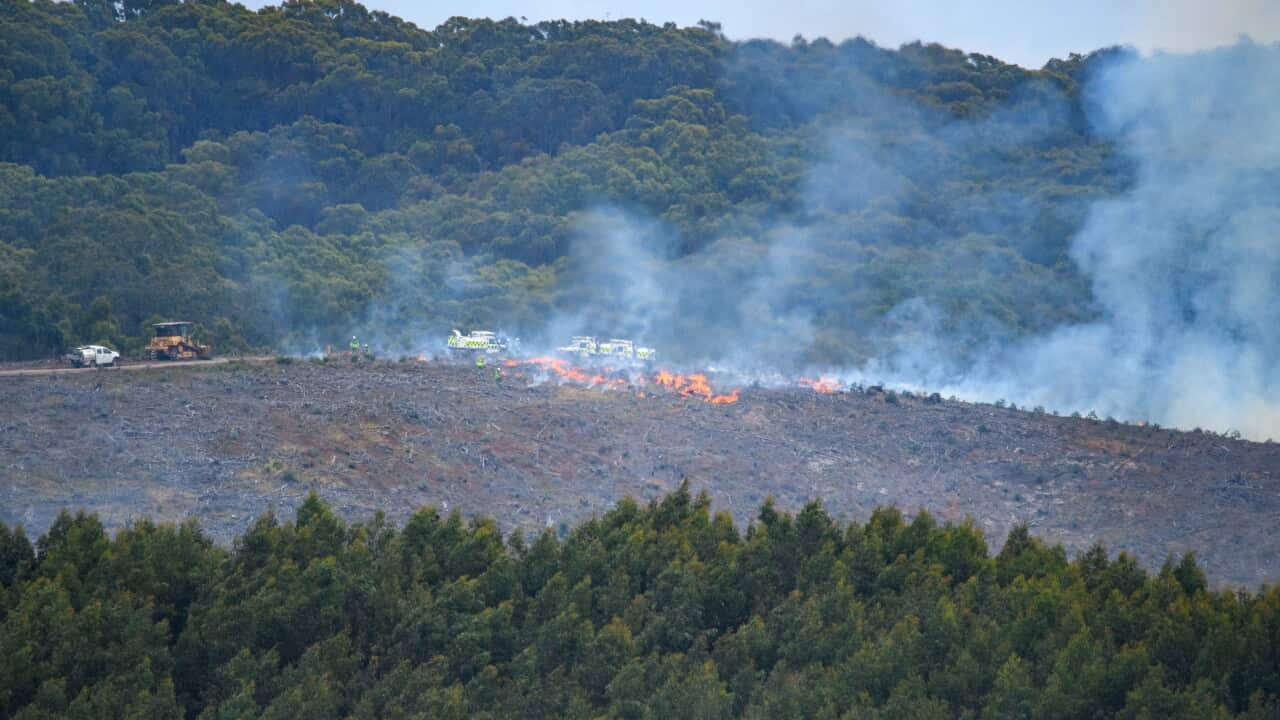
 Australian farmers prepare for possible El Niño conditions amid growing climate change impacts
KillBait - News highlights delivered clearly and responsibly—no clickbait, no sensationalism
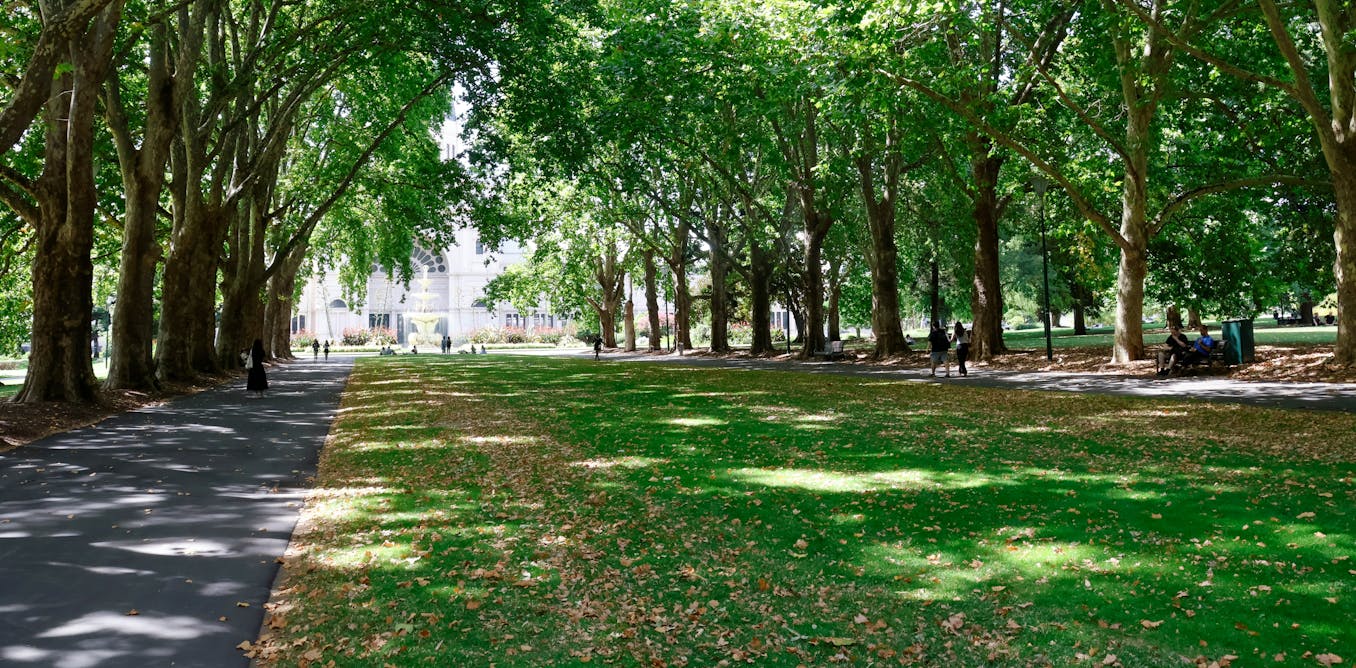
Photo: The Conversation
2026-06-01 03:17 Climate change 11 


Study finds layered urban vegetation can reduce heat stress more effectively than trees alone
A new study examining urban greening strategies in Melbourne, Munich and Hong Kong has found that vegetation can significantly reduce heat stress in cities, but the effectiveness depends on the type of planting, local climate conditions and urban design.
Researchers conducted field measurements during summer and compared open urban spaces, areas with trees only, and locations featuring layered vegetation that combined trees, shrubs and ground cover.The results showed that vegetation structure plays a crucial role in cooling urban environments.
In Melbourne, street trees reduced the amount of radiant heat experienced by pedestrians by more than 18°C compared with exposed streets, making outdoor areas feel substantially cooler even when air temperatures changed only slightly.In Munich, layered vegetation delivered the greatest benefits, reducing afternoon heat stress by nearly 8°C relative to more open locations.
Hong Kong also experienced cooling benefits from vegetation, particularly through shade from tree canopies, although the outcomes were more variable because of the city’s humid subtropical climate.The research highlights that planting more trees is not always enough.In humid environments such as Hong Kong, dense vegetation can increase humidity levels, reducing comfort by making it harder for sweat to evaporate.In some Munich streets, dense planting also restricted airflow, trapping warm air and slowing the dispersal of vehicle pollution.The authors argue that cities should move beyond simply counting trees or increasing canopy cover.
Instead, urban greening projects should be tailored to local conditions, considering factors such as ventilation, street layout, climate and vegetation density.
Well-designed green spaces can improve thermal comfort, support biodiversity and help cities adapt to rising temperatures caused by climate change and the urban heat island effect.
Full reading at The Conversation
2208
Original title: Trees and greenery can cool cities by as much as 18°C – but only if it's the right type
The AI system has determined that this news is not clickbait/sensationalist: : The title accurately reflects the article's main findings and includes an important condition supported by the research. It is informative rather than sensational and does not exaggerate the study's conclusions. This has coincided with the opinion of the majority of users.
You may also be interested in...
Australian farmers prepare for possible El Niño conditions amid growing climate change impacts
 Staff changes at JPMorgan’s Australian equities desk
 Reports Outline Expected Guests and Notable Absences at Taylor Swift and Travis Kelce's Wedding