
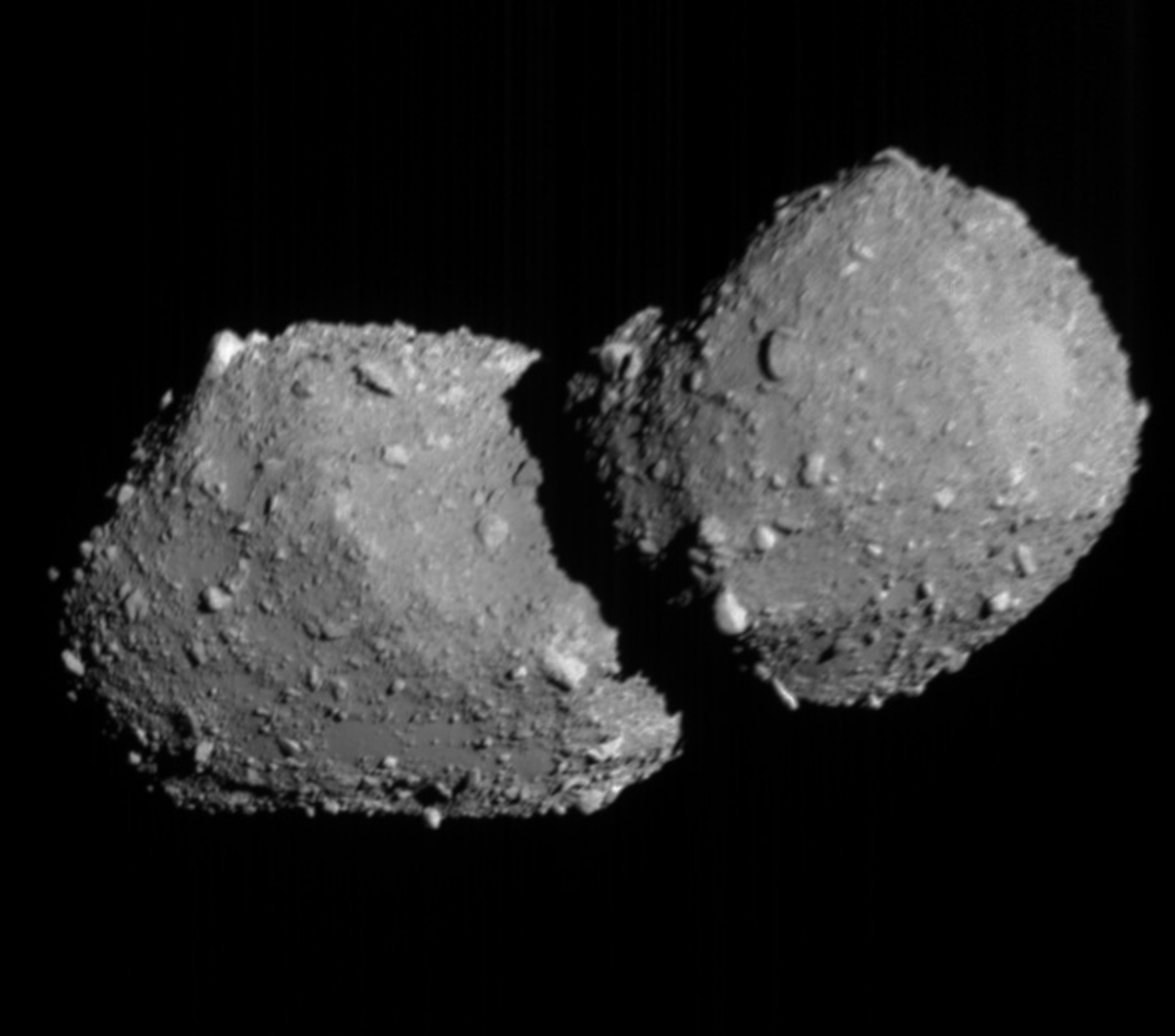
 Japanese Probe Hayabusa 2 Completes Successful Flyby of Asteroid Torifune
KillBait - News highlights delivered clearly and responsibly—no clickbait, no sensationalism
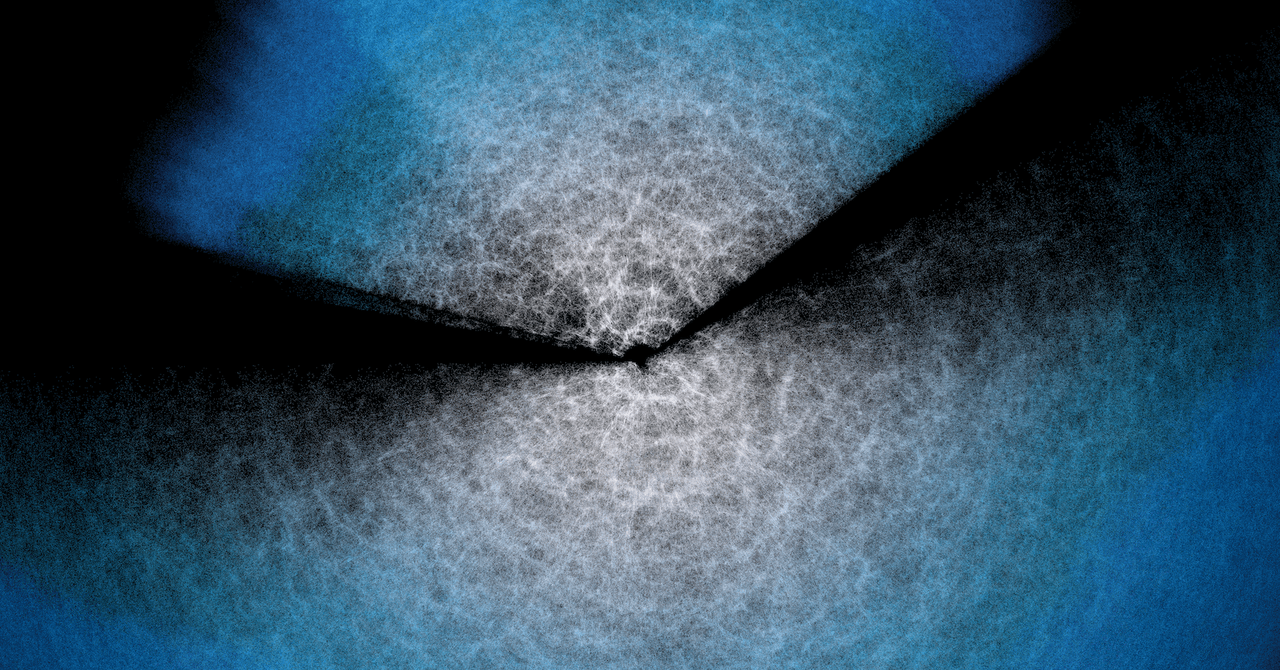
Photo: WIRED
2026-07-08 07:39 Astronomy 12


Study of 47 Million Galaxies Suggests Large-Scale Cosmic Structure May Persist Beyond Current Cosmological Expectations
A newly published study in Nature challenges one of the foundational assumptions of modern cosmology by suggesting that the universe may retain organized large-scale structures over much greater distances than current models predict.
Led by physicist Francesco Sylos Labini and co-author Marco Galoppo, the research analyzed the distribution of nearly 47 million galaxies observed by the Dark Energy Spectroscopic Instrument (DESI), covering approximately 11 billion years of cosmic history.
Using a newly developed statistical technique, the researchers examined whether the orientations of galaxy pairs remain correlated across enormous distances approaching one gigaparsec, or about 3.26 billion light-years.
Their results indicate that coherent patterns of galaxy filaments and walls continue to emerge as larger regions of the universe are examined, rather than fading into a statistically uniform background as predicted by the standard cosmological principle.The authors emphasize that their findings do not imply the existence of a single preferred direction or a 'cosmic arrow.
' Instead, they suggest that the cosmic web preserves structural organization on scales where existing cosmological models expect homogeneity and isotropy to dominate.
If confirmed through independent studies and larger observational datasets, the results could require scientists to refine current theories describing dark matter, gravity, and the formation of cosmic structure.
However, the researchers stress that the conclusions remain preliminary and must be replicated using both their methodology and alternative analytical approaches.
Whether future studies validate or refute these findings, the authors argue that the investigation will improve scientific understanding of the universe and the strengths and limitations of current cosmological models.
2224
Original title: What if the Universe Isn’t as Uniform as Scientists Think?
The AI system has determined that this news is not clickbait/sensationalist: : The title accurately reflects the central research question discussed in the article and does not exaggerate the findings. Although it is phrased as a question to attract reader interest, the article itself presents the results with appropriate scientific caution and clearly explains that the conclusions require independent confirmation. This has coincided with the opinion of the majority of users.
You may also be interested in...
Japanese Probe Hayabusa 2 Completes Successful Flyby of Asteroid Torifune
 New Study Suggests Earth May Survive Sun's Expansion in 5 Billion Years
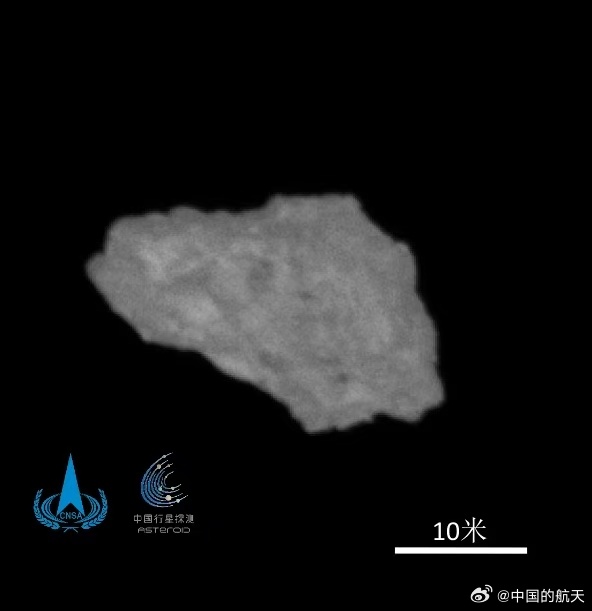 China's Tianwen 2 Probe Begins Sample Collection Mission on Asteroid Kamo‘oalewa