
 Doctor Highlights Six Early Warning Signs of Diabetes and When to Seek Medical Advice
KillBait - News highlights delivered clearly and responsibly—no clickbait, no sensationalism
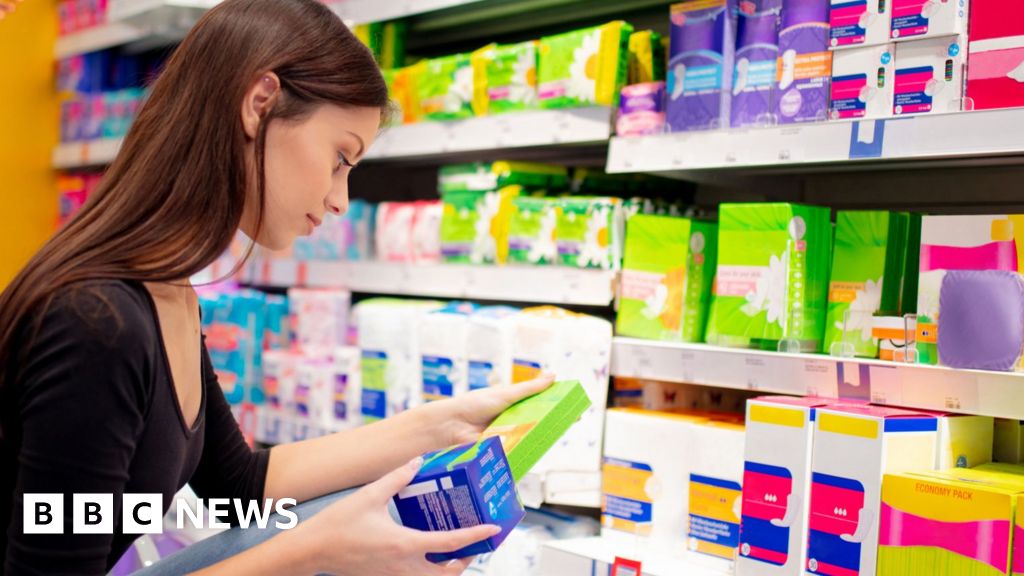
Photo: BBC
2026-06-16 10:40 Health 10 


Study suggests many people choose less effective painkillers for menstrual cramps
A large analysis of supermarket purchase data suggests that many women may not be using the most effective medication for managing period cramps.Researchers examined a decade of loyalty card records from a major retail chain in England, covering about 211 million transactions from 3.4 million shoppers between 2006 and 2015.They found that around half of all purchases of menstrual products such as tampons and sanitary towels were accompanied by a pain relief product.
Among those painkillers, paracetamol was the most commonly bought, accounting for roughly two-thirds of purchases, while ibuprofen made up about one-third.Experts note that while both medications can relieve pain, ibuprofen may be more effective for menstrual cramps in many cases.
This is because ibuprofen is a non-steroidal anti-inflammatory drug that reduces inflammation and blocks the production of prostaglandins, hormone-like chemicals that trigger uterine muscle contractions and cramping.
Paracetamol, on the other hand, primarily acts on the brain to block pain signals and is more commonly used for headaches or fever rather than inflammatory pain.
The study, published in PLoS Digital Health, highlights how little is known about real-world pain management for periods and suggests there may be a public health opportunity to improve awareness.
Researchers emphasized that the dataset provides only a snapshot and may not represent the entire population, but it still offers valuable insight into consumer behavior.Medical experts also noted that taking ibuprofen before or early in the onset of menstrual pain may improve effectiveness.
However, they caution that ibuprofen is not suitable for everyone and can cause side effects, so users should check product guidance and consult healthcare professionals if symptoms are severe or persistent, as conditions like endometriosis or fibroids could be underlying causes.
2186
Original title: Period pain: Simple shopping swap for better pain relief, study reveals
The AI system has determined that this news is not clickbait/sensationalist: : The original title is mildly attention-grabbing but not truly sensational or misleading. It frames the topic as a question to encourage engagement, but it accurately reflects the article’s focus on whether consumers are choosing the most effective pain relief for period cramps. This has coincided with the opinion of the majority of users.
You may also be interested in...
Doctor Highlights Six Early Warning Signs of Diabetes and When to Seek Medical Advice
 Sen. Mitch McConnell Hospitalized Again Amid Ongoing Health Concerns
 Chicago Health Officials Detect First West Nile Virus-Positive Mosquitoes of 2026, No Human Cases Reported