
 Scientists Complete Mapping of Earth's Submerged Eighth Continent, Zealandia
KillBait - News highlights delivered clearly and responsibly—no clickbait, no sensationalism
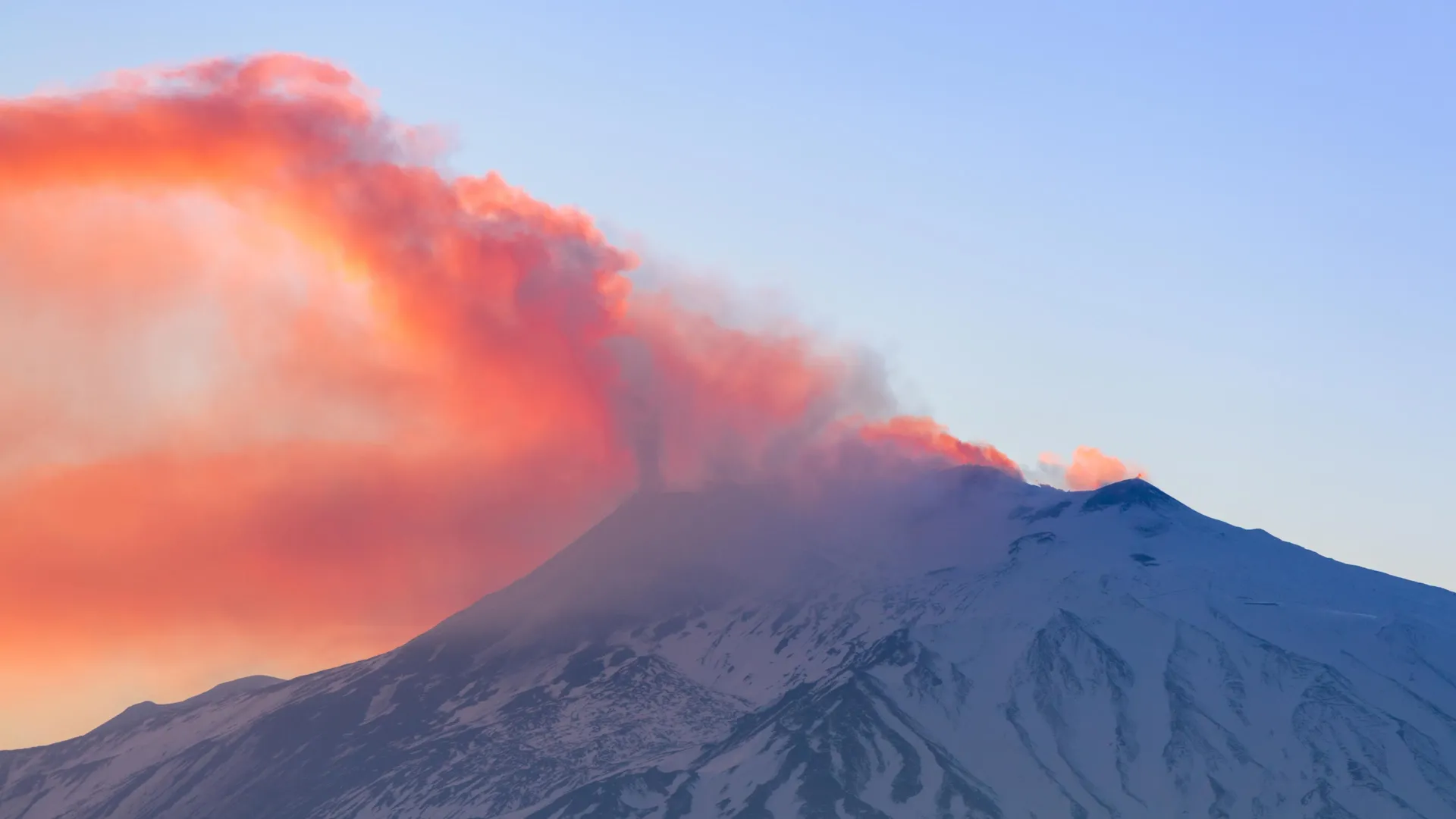
Photo: ScienceDaily
2026-07-11 05:45 Geology 11


Study Suggests Mount Etna May Have Formed Through a Rare Magma Transport Mechanism
Researchers from the University of Lausanne have proposed a new explanation for the origin of Mount Etna, Europe's most active volcano, challenging the traditional models used to explain how large volcanoes form.
Although Mount Etna is located near a subduction zone where one tectonic plate moves beneath another, the chemical composition of its lava has long resembled that of hotspot volcanoes such as those in Hawaii, creating a geological mystery.The new study suggests that Etna is fed by long-lived pockets of magma located about 80 kilometers (50 miles) beneath Sicily in the upper mantle.
Instead of being generated shortly before eruptions, this magma may have remained stored deep underground for extended periods before being forced upward through fractures created as the African and Eurasian tectonic plates interact.The researchers compare this process to liquid being squeezed from a sponge as the tectonic plate bends and cracks.
By analyzing volcanic rocks spanning approximately 500,000 years of Etna's eruptive history, the team found that the chemistry of its magma has remained remarkably consistent despite changes in the surrounding tectonic environment.
These findings support the idea that the volcano's magma source has been stable over time and that tectonic forces primarily control how much magma reaches the surface.
The authors further propose that Mount Etna could represent the first known large stratovolcano formed through a process similar to that responsible for petit-spot volcanoes, which are typically small submarine volcanic features.
If future research confirms this hypothesis, it would expand current understanding of volcanic formation, introduce a possible fourth category of volcanoes, and improve geological models used to assess volcanic hazards in Sicily and potentially other regions around the world.
2208
Original title: Europe's most active volcano may have a secret origin
The AI system has determined that this news is not clickbait/sensationalist: : The original title accurately reflects the study's main finding by indicating that Mount Etna may have an unusual origin. While the phrase 'secret origin' is somewhat attention-grabbing, the use of 'may' appropriately communicates scientific uncertainty and does not exaggerate the research conclusions. This has coincided with the opinion of the majority of users.
You may also be interested in...
Scientists Complete Mapping of Earth's Submerged Eighth Continent, Zealandia
 FIFA President Faces Resignation Pressure After Trump-Linked Red Card Reversal
 Maine Senate Candidate Graham Platner Withdraws from Race After Sexual Assault Allegations