
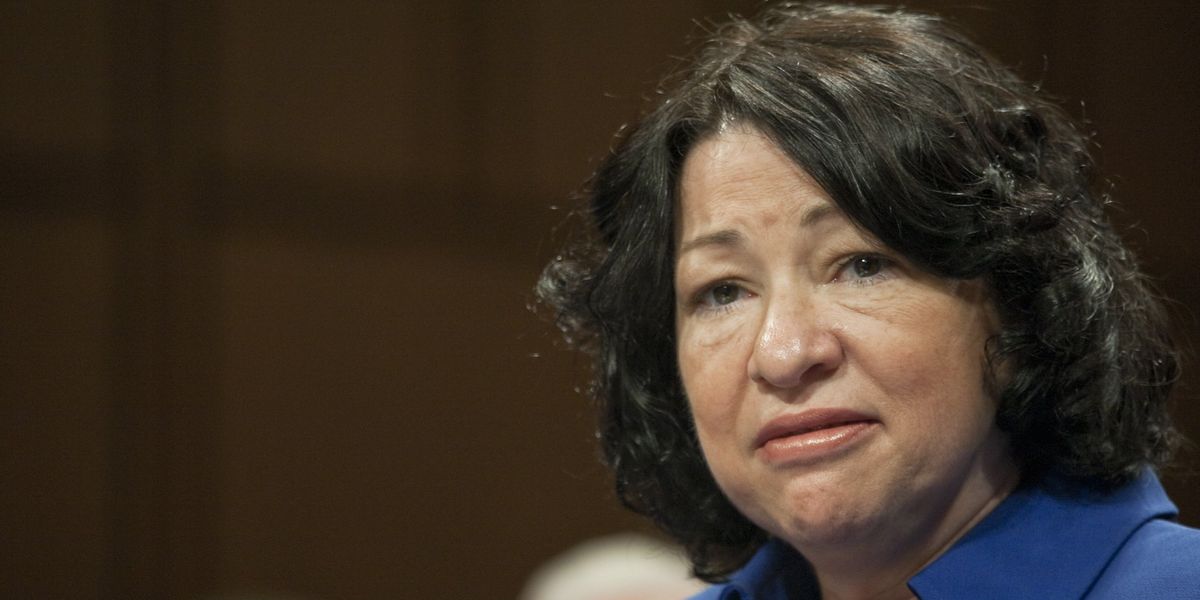
 Justice Sotomayor criticizes Supreme Court ruling in Alabama redistricting case over voting rights concerns
KillBait - News highlights delivered clearly and responsibly—no clickbait, no sensationalism
Photo: washingtonpost.com
2026-05-29 22:05 Justice 12 


Supreme Court orders review of Mississippi death row conviction over alleged jury selection racial bias
The U.S.Supreme Court issued a narrow 5-4 ruling in a case involving Terry Pitchford, a Mississippi man who has been on death row for approximately two decades following his conviction for the murder of a shopkeeper.
The Court found that Pitchford’s defense team was improperly denied a meaningful opportunity to challenge the dismissal of four Black potential jurors during jury selection at his original trial.
The justices focused on whether racial bias may have influenced the jury selection process and whether Pitchford’s constitutional rights were adequately protected.
By a slim majority, the Court determined that procedural fairness required allowing Pitchford to pursue claims related to the exclusion of the jurors, which he argued could have affected the impartiality of the trial.As a result, the Court vacated his conviction and sent the case back for further proceedings consistent with its opinion.
The decision underscores ongoing scrutiny of jury selection practices in capital cases, particularly where allegations of racial discrimination arise.
The dissenting justices disagreed with the majority’s assessment, warning that the ruling could reopen long-settled convictions and complicate finality in criminal cases.
The ruling does not necessarily exonerate Pitchford but instead ensures that his claims regarding potential racial bias in jury selection will receive further judicial review in lower courts.
The case highlights the Supreme Court’s continued role in addressing constitutional protections in death penalty cases and the integrity of the jury selection process in the American justice system.
Full reading at washingtonpost.com
2224
Original title: Supreme Court sides with Mississippi man on death row in racial bias case
The AI system has determined that this news is not clickbait/sensationalist: : The original title is descriptive and fact-based, summarizing the Supreme Court decision and its legal context without using exaggerated or sensational language beyond the standard news framing. This has coincided with the opinion of the majority of users.
You may also be interested in...
Justice Sotomayor criticizes Supreme Court ruling in Alabama redistricting case over voting rights concerns
 Federal Judge Questions DOJ Arguments in Lawsuit Challenging Proposed Trump Gold Coin
 Legal Challenge to Judge Hannah Dugan’s Conviction Could Limit DOJ Use of Obstruction Charges in ICE-Related Cases