
 Supreme Court urges states to ensure menstrual hygiene facilities in schools to prevent girls from discontinuing education
KillBait - News highlights delivered clearly and responsibly—no clickbait, no sensationalism
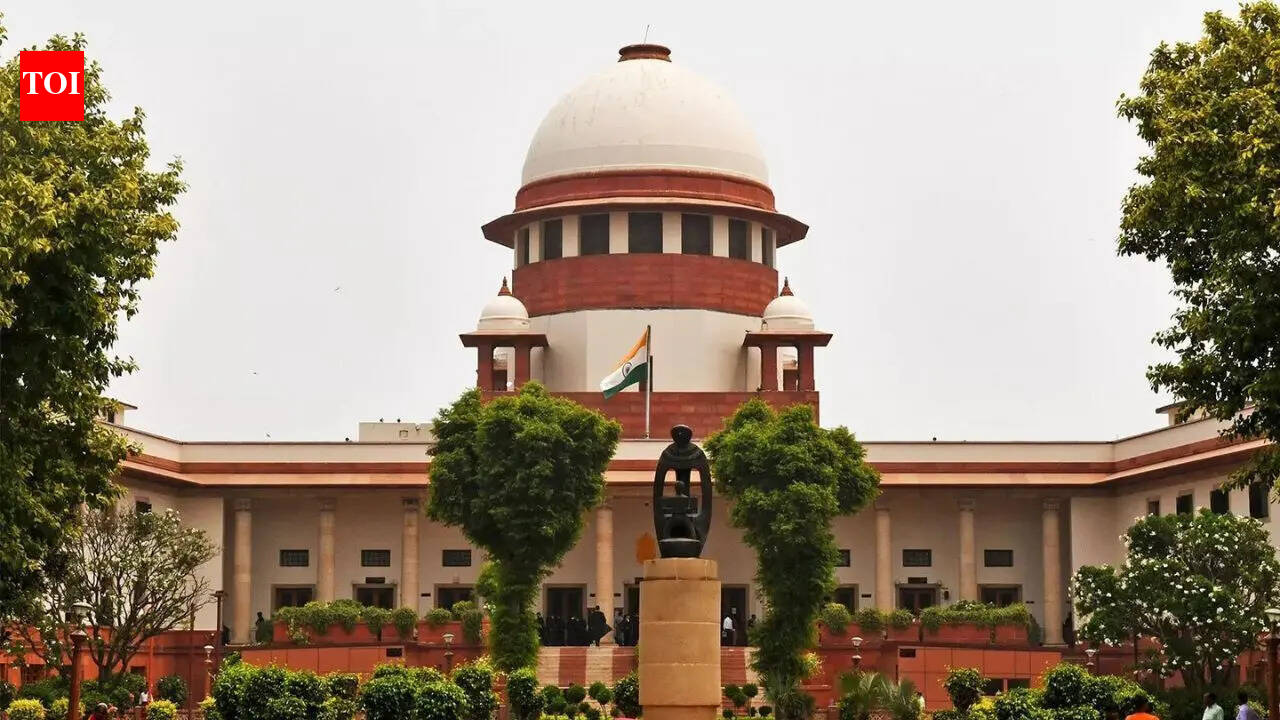
Photo: The Times of India
2026-05-28 10:55 Justice 10 


Supreme Court recognises trauma care as part of right to life, orders overhaul of emergency response system
The Supreme Court of India has delivered a landmark judgment recognising access to trauma care as an essential component of the Right to Life under Article 21 of the Constitution.In its order in the case SaveLIFE Foundation & Anr.vs Union of India & Ors, the court directed a nationwide, time-bound overhaul of India’s fragmented emergency response system.
The ruling applies to all states and Union Territories and covers all forms of trauma, including road accidents, falls, burns, drowning, industrial accidents, fires, explosions and disaster-related injuries.The court noted that India records around 4.67 lakh accidental deaths annually, with road crashes alone accounting for nearly 1.77 lakh fatalities.
Citing expert reports, it highlighted that a significant proportion of these deaths are preventable with timely medical intervention, yet delays in emergency care contribute to at least 30% of trauma-related deaths.
Despite this, India lacked a unified trauma-care system, with multiple helplines, inconsistent ambulance standards and weak implementation of existing schemes.
Key directions include integration of multiple emergency numbers such as 100, 101, 102, 108, 1033 and 1091 into a single national emergency number 112 within three months.
The court also mandated GPS-enabled ambulances, adoption of standard Emergency Medical Technician training, and creation of state and national trauma registries.
States must also establish grievance redress systems for Good Samaritans to encourage public assistance at accident sites without fear of legal harassment.Further, hospitals will be graded for trauma-care capacity, and PM RAHAT cashless treatment scheme must be operationalised within eight weeks.The court has directed continuous monitoring, audits of ambulance services, and submission of action-taken reports by states and UTs.
The judgment aims to transform emergency care from a fragmented system into a coordinated national framework ensuring timely and equitable access to life-saving treatment.
Full reading at The Times of India
2186
Original title: India gets constitutional right to trauma care; SC orders nationwide overhaul of emergency response
The AI system has determined that this news is not clickbait/sensationalist: : The original title is factual and descriptive, summarising the Supreme Court ruling without exaggerated or sensational language. It clearly states the legal development and policy action, so it is not clickbait. This has coincided with the opinion of the majority of users.
You may also be interested in...
Supreme Court urges states to ensure menstrual hygiene facilities in schools to prevent girls from discontinuing education
 Supreme Court seeks Centre’s response on reforms after NEET paper leak concerns
 Supreme Court transfers Twisha Sharma death probe to CBI, urges media restraint amid ongoing investigation