
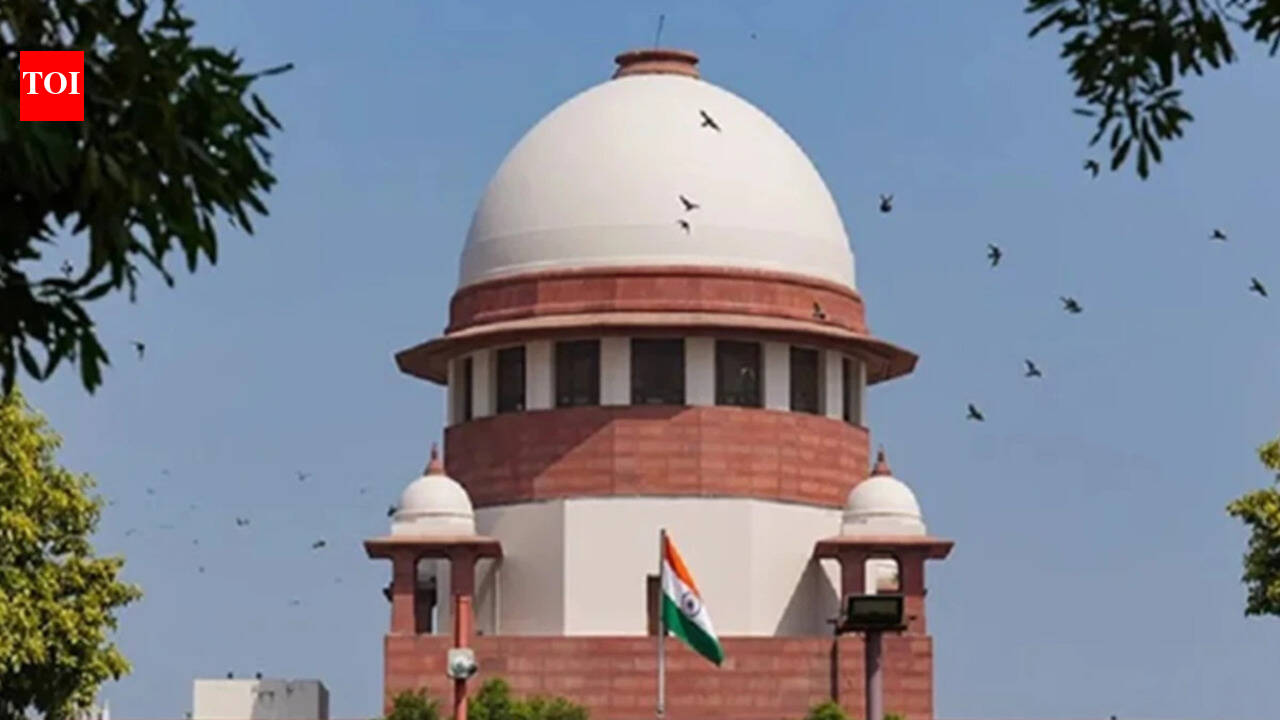
 Supreme Court Allows Quota Benefits for Muslim Converts in Tamil Nadu
KillBait - News highlights delivered clearly and responsibly—no clickbait, no sensationalism

Photo: The Hindu
2026-07-11 11:58 Justice 10


Supreme Court's Addendum Confirms Ram's Birthplace in Ayodhya Using Religious Texts
The Supreme Court's addendum, authored by one of the five judges on the Ayodhya Bench, references religious texts like the Ain-i-Akbari (a 16th-century Mughal administrative document) and the Bala Kanda of Gosvami Tulasidasa to affirm that Lord Ram was born at the site under the central dome of the Babri Masjid in Ayodhya.
The document emphasizes that Hindus' belief in this location predates the mosque's construction and is rooted in scriptures like the Valmiki Ramayana and Skanda Purana.The court acknowledges the validity of these religious works, stating that such faith is not groundless and can be considered credible evidence.The addendum also notes that travelogues and books about Ayodhya are admissible in legal proceedings.
This conclusion aligns with the broader Ayodhya verdict, which resolved the Ram Janmabhoomi-Babri Masjid dispute by allocating the disputed site to Hindus while providing alternative land for the mosque.The ruling underscores the importance of historical and religious narratives in legal interpretations, balancing faith with legal reasoning.
2186
Original title: Ayodhya verdict | Addendum quotes Tulsidas, Ain-i-Akbari for birthplace proof
The AI system has determined that this news is clickbait/sensationalist: : The original title highlights specific religious texts (Tulsidas, Ain-i-Akbari) to attract attention, which is a common clickbait tactic by emphasizing sensational religious claims. This has coincided with the opinion of the majority of users.
You may also be interested in...
Supreme Court Allows Quota Benefits for Muslim Converts in Tamil Nadu
 Supreme Court rejects plea to revoke bail granted to Sonam Raghuvanshi
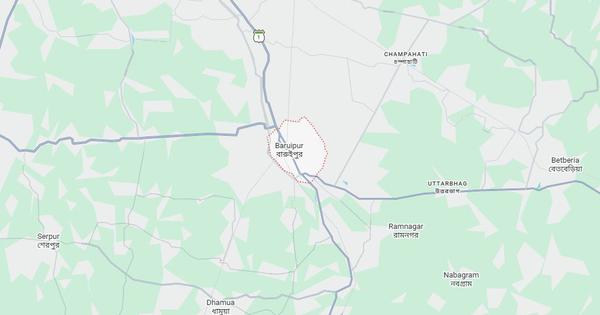 West Bengal arrests 35 in Baruipur rape and murder case