
 NSW Liberal frontbencher Damien Tudehope steps aside after being called as ICAC witness
KillBait - News highlights delivered clearly and responsibly—no clickbait, no sensationalism
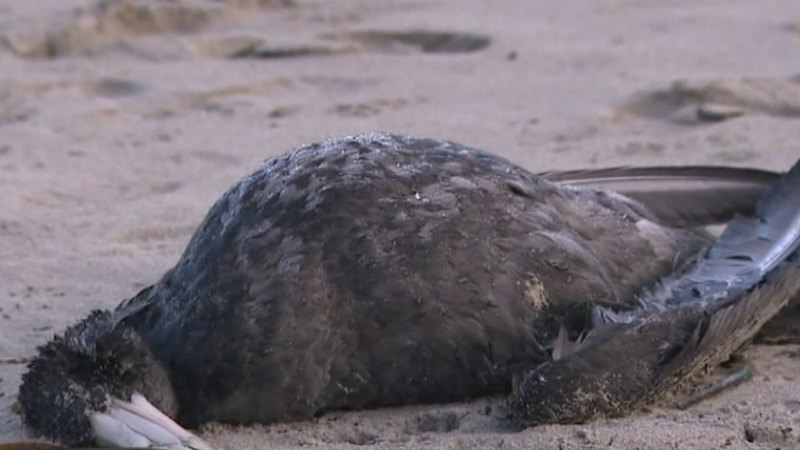
Photo: The Sydney Morning Herald
2026-07-03 14:17 Health 10 


Suspected avian influenza case detected in New South Wales
The first suspected case of highly pathogenic bird flu has been confirmed in New South Wales, marking a significant biosecurity development for the state.According to the report, authorities have identified a suspected infection consistent with avian influenza, commonly referred to as bird flu.
The announcement indicates that this is the first time such a suspected case has been detected in NSW, raising attention among health and agricultural officials.
While details remain limited in the available information, the identification of a suspected case suggests that surveillance systems and testing protocols have detected the presence of the virus or indicators consistent with it.Bird flu is a contagious viral disease that primarily affects birds, but certain strains can pose risks to other animals and, in rare cases, humans.
Officials typically respond to suspected detections by initiating containment measures, further laboratory testing, and monitoring of potentially exposed poultry or wildlife populations.
Although the article does not provide specific locations, species affected, or confirmed transmission pathways, such investigations are standard practice in managing avian influenza risks.
The confirmation of a suspected case in NSW highlights ongoing concerns about the spread of avian influenza strains globally and the importance of early detection systems.
Biosecurity authorities generally work to prevent outbreaks from spreading to commercial poultry farms and to limit disruption to agriculture and trade.As the situation develops, further updates would be expected once laboratory confirmation and epidemiological assessments are completed.At this stage, the case remains described as suspected, meaning final confirmation may still be pending.The report underscores the importance of vigilance in monitoring animal health and reporting unusual illness or deaths in bird populations.No additional details about human cases or wider public health impacts have been provided in the source material.
Full reading at The Sydney Morning Herald
2186
Original title: First suspected case of deadly bird flu found in NSW
The AI system has determined that this news is not clickbait/sensationalist: : The title is factual and directly describes a suspected case of bird flu in NSW without exaggerated claims or sensational language beyond standard news reporting. This has coincided with the opinion of the majority of users.
You may also be interested in...
NSW Liberal frontbencher Damien Tudehope steps aside after being called as ICAC witness
 Inside Sydney’s long-running private pub lunch club of industry figures
 Car Fire Near Belconnen Shopping Centre Under Control