
 U.S.-Iran Trade Tensions Escalate Over Proposed Tariffs
KillBait - News highlights delivered clearly and responsibly—no clickbait, no sensationalism
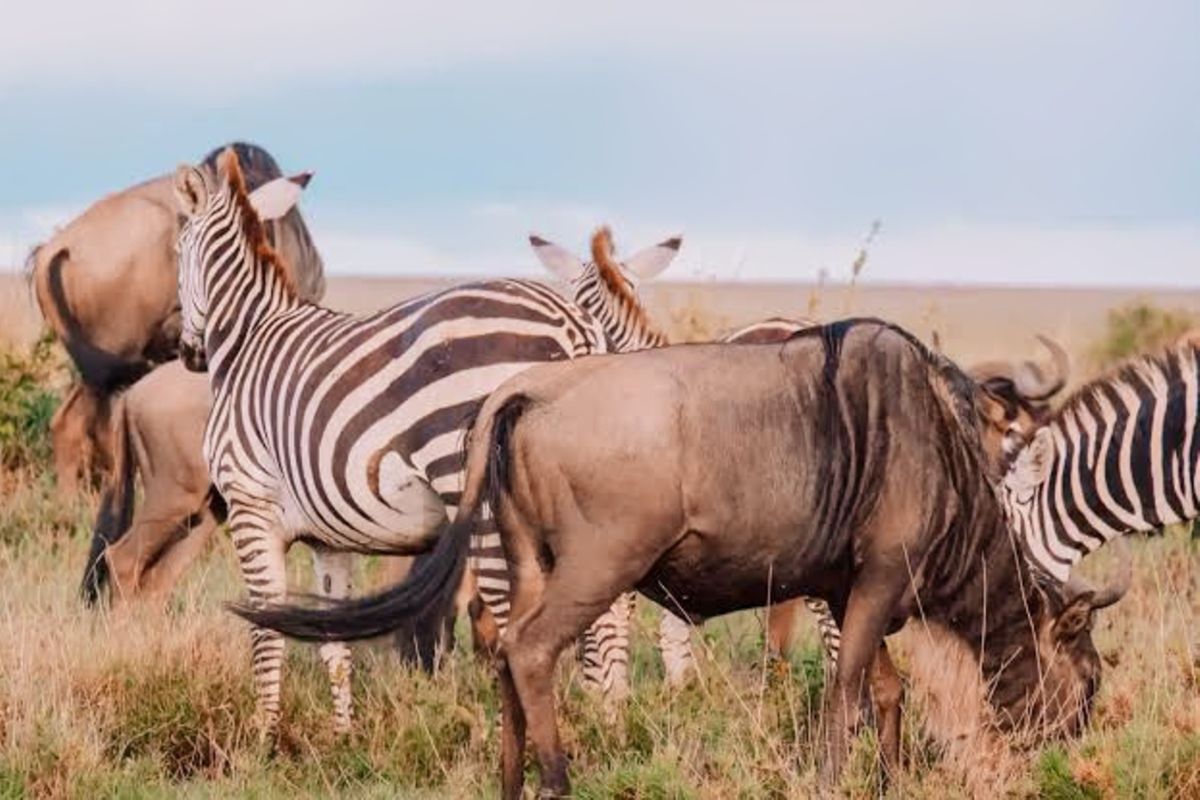
Photo: The Citizen
2026-07-17 12:50 Geopolitics 10


Symbiotic Relationships in Tanzania's Wilderness
The article explores the hidden alliances and mutualistic relationships among wildlife in Tanzania's ecosystems.It highlights the symbiotic bond between oxpeckers, buffalo, and rhinos, where the birds remove ticks and fleas while acting as early warning systems against predators.The piece also discusses the partnership between baboons and impalas around sausage trees, where the abundance of food creates a natural partnership.
The Great Migration of wildebeest and zebras is described as a form of facultative mutualism, where their differing feeding habits complement each other.Elephants are noted as ecosystem engineers, shaping their environment through seed dispersal and habitat creation.
The article emphasizes how these relationships are vital for the survival of species and the balance of the savannah ecosystem, underscoring the importance of preserving these natural partnerships for biodiversity.
2186
Original title: The concealed alliances and geopolitics of the wilderness
The AI system has determined that this news is clickbait/sensationalist: : The original title uses dramatic language about 'concealed alliances' and 'geopolitics' to attract attention, which is more sensational than informative. This has coincided with the opinion of the majority of users.
You may also be interested in...
U.S.-Iran Trade Tensions Escalate Over Proposed Tariffs
 UK Condemns Iran's Involvement in European Attacks via Proxy Groups
 Tanzania Under International Scrutiny as Global Community Examines Governance and Policies