
 Arsenal Supporters Undertake Complex Journeys to Attend Champions League Final in Budapest
KillBait - News highlights delivered clearly and responsibly—no clickbait, no sensationalism
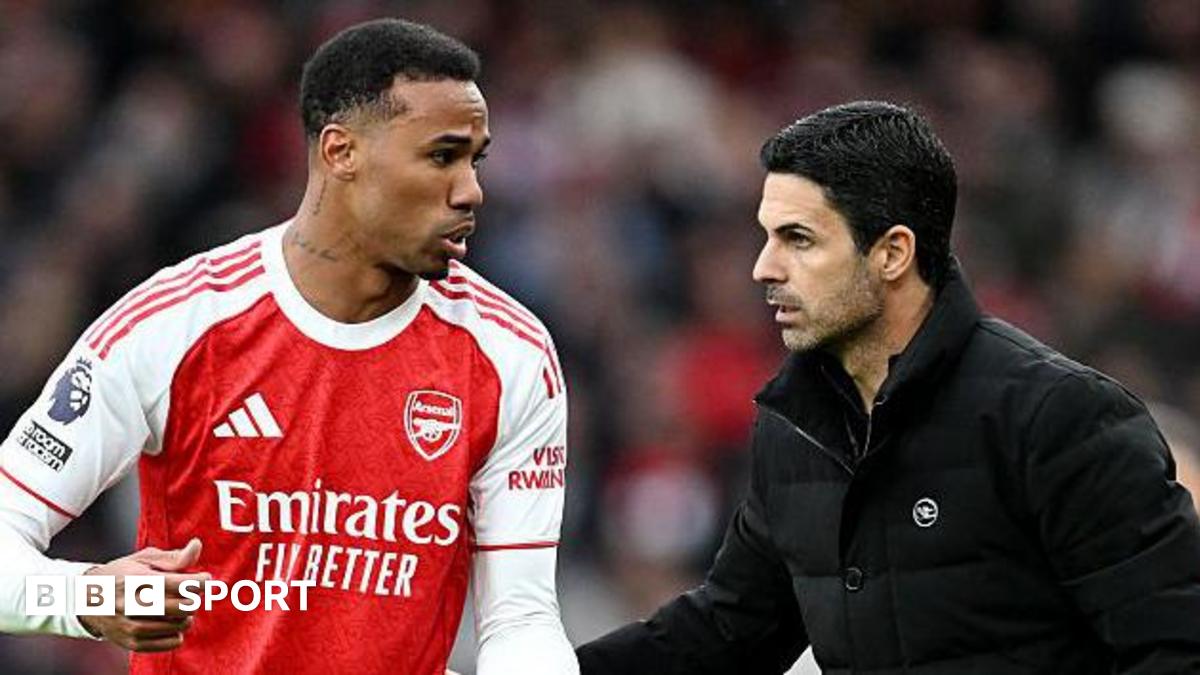
Photo: BBC
2026-05-30 13:43 Sports 10 


Tactical analysis: How Arsenal could beat PSG in the Champions League final
Arsenal head into their Champions League final against Paris Saint-Germain with a clear contrast in styles shaping expectations: Mikel Arteta’s side are built on controlled possession and defensive solidity, while PSG are the competition’s most prolific attacking team under Luis Enrique.
Arsenal have recorded nine clean sheets in the tournament, the highest total, but face a PSG side that has scored 44 goals, significantly more than Arsenal’s 29, setting up a classic clash between elite attack and elite defence.
A key tactical discussion is Arsenal’s use of a flexible attacking structure, including the possibility of deploying midfielders such as Mikel Merino or Kai Havertz as a false nine.This approach can disrupt PSG’s aggressive man-to-man pressing by creating numerical superiority in midfield and freeing up space for progression.
When PSG press high, Arsenal may also use direct long balls from goalkeeper David Raya towards forward targets, aiming to win second balls with midfield runners.
Another important factor is Arsenal’s willingness to play through central areas under pressure, drawing PSG’s compact defensive structure out of shape to exploit space between the lines.However, this carries risk due to PSG’s ability to counter quickly.
Defensively, Arsenal will need to manage the movement of key PSG attackers such as Khvicha Kvaratskhelia, whose off-the-ball rotations and feints create confusion for defenders.Set pieces could be decisive, with PSG having conceded multiple goals from dead-ball situations despite their strong overall record.Arsenal’s proficiency in set plays, particularly attacking back-post areas and second-phase headers, could prove crucial.
Tactical adjustments, such as tighter man-marking and pressing triggers—similar to those used by previous opponents—may also influence the outcome of the match.
2189
Original title: The tactics that could win Arsenal the Champions League
The AI system has determined that this news is not clickbait/sensationalist: : The original title is descriptive and analytical, reflecting a tactical preview rather than using sensationalist or clickbait language. This has coincided with the opinion of the majority of users.
You may also be interested in...
Arsenal Supporters Undertake Complex Journeys to Attend Champions League Final in Budapest
 Arsenal’s Premier League triumph gives Arteta’s side confidence ahead of Champions League final against PSG
 How Freddie Ljungberg’s Guidance Shaped Bukayo Saka’s Football Career