
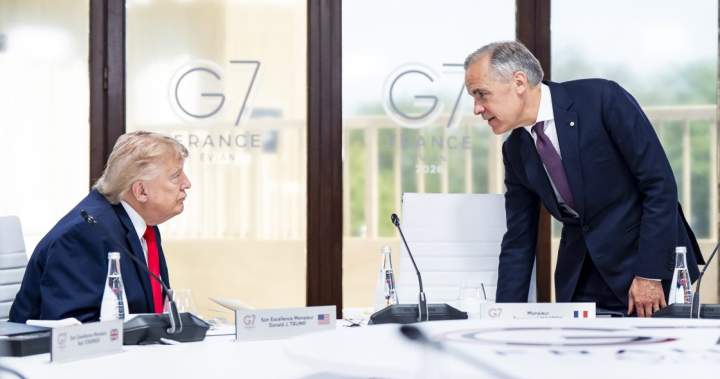
 NATO Summit in Turkey Focuses on Military Spending and Diplomatic Tensions
KillBait - News highlights delivered clearly and responsibly—no clickbait, no sensationalism
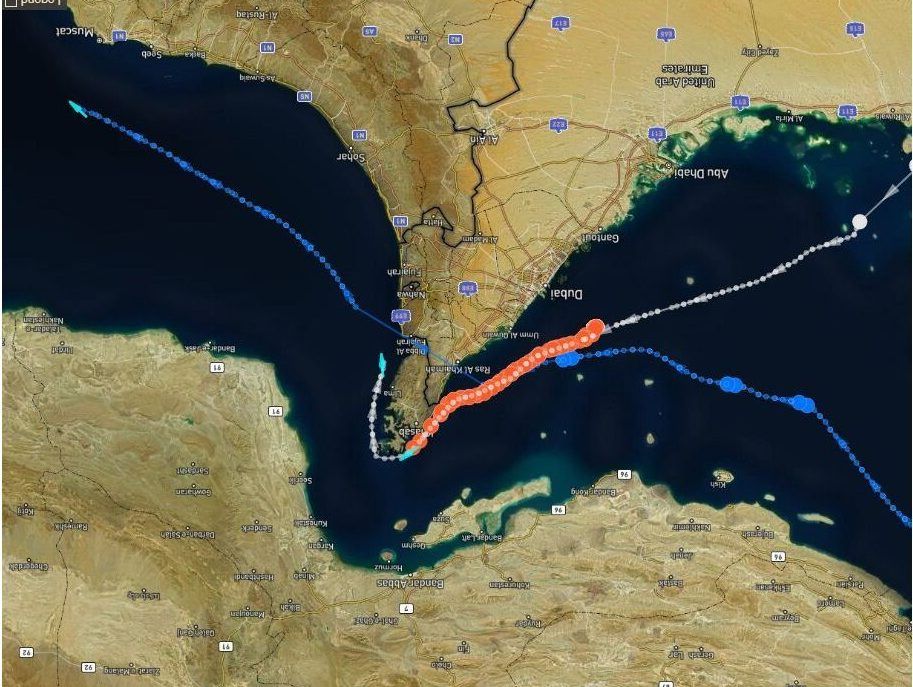
Photo: nationalpost
2026-07-06 02:57 Geopolitics 12


Tanker Traffic in the Strait of Hormuz Shows Signs of Recovery After Unexplained U-Turns
Oil and gas shipping through the Strait of Hormuz, a critical U.S.-protected energy corridor, has shown signs of recovery after a series of unexplained U-turns and detours by vessels.Observers reported six tankers navigating close to Oman’s coast while four others took a northern route toward Iran, exiting the strait.
Western navies warn that the risk of threats remains substantial, citing ongoing Iranian harassment and unconfirmed reports of mines in the central channel.The U-turns occurred over Friday and Saturday, with at least eight vessels altering their paths, though no immediate explanation was provided.
Iran has consistently emphasized that ships must follow routes authorized by Tehran, and its military has been accused of intercepting vessels through radio warnings and direct attacks.The erratic movements complicate monitoring, as many ships operate with transponders disabled to avoid detection.
Analysts note that the instability in Hormuz could further disrupt the already fragile global oil market, which is still recovering from a four-month crisis.
The situation underscores the geopolitical tensions in the region, with Iran’s actions posing a significant risk to maritime trade and international energy security.
2228
Original title: Strait of Hormuz tanker trafficking rebounding a day after unexplained U-turns
The AI system has determined that this news is not clickbait/sensationalist: : The original title is factual and concise, focusing on the key event without sensationalism. This has coincided with the opinion of the majority of users.
You may also be interested in...
NATO Summit in Turkey Focuses on Military Spending and Diplomatic Tensions
 China faces regional criticism after intercontinental missile test
 U.S. ambassador disputes claim Canada is funding Gordie Howe International Bridge, citing toll-based repayment model