
 TBS intensifies bakery inspections to improve food safety compliance in Dar es Salaam
KillBait - News highlights delivered clearly and responsibly—no clickbait, no sensationalism

Photo: The Citizen
2026-05-23 23:55 Health 15 


Tanzania Pharmacy Council to End Recognition of One-Year Dispensers from December 2026
The Tanzania Pharmacy Council has announced an important policy change affecting graduates of the one-year pharmaceutical dispensing programme, stating that it will stop recognising this cadre starting December 1, 2026.The decision was made following the council’s 57th meeting held in August 2025 and was officially communicated on May 22, 2026.The reform is part of wider efforts to improve pharmaceutical standards and strengthen the quality of healthcare services across the country.
According to the council, students who have completed the one-year course will still be allowed to sit for professional and registration examinations until November 2026.After this period, the examinations for this category will be fully discontinued.
Those who fail to pass within the allowed timeframe will be required to further their studies to at least certificate level or higher in order to qualify for professional registration and recognition.
The council also clarified that already registered and recognised dispensers will continue to practise under its supervision, provided they meet annual renewal requirements as per existing regulations.
In addition, they will continue benefiting from Continuing Professional Development (CPD) programmes aimed at improving skills and maintaining service quality in healthcare delivery.The one-year dispenser programme was originally introduced to address shortages of healthcare workers, especially in rural and underserved areas.Graduates were trained in basic medicine dispensing, stock management, and safe handling of pharmaceuticals.
However, changing healthcare demands and the need for higher professional standards have pushed authorities to review the relevance of this short course.
Stakeholders, including leaders from the pharmaceutical sector, argue that rising expectations in healthcare delivery and advancements in medical practice require more qualified professionals.
While the decision is seen as a step toward improving service quality and patient safety, concerns remain that it could worsen existing staff shortages in some health facilities, particularly in remote regions.
2273
Original title: One-year pharmacy graduates in Tanzania to lose recognition from December
The AI system has determined that this news is not clickbait/sensationalist: : The title is straightforward and factual, clearly describing a regulatory change affecting pharmacy graduates in Tanzania without sensational wording or exaggeration. This has coincided with the opinion of the majority of users.
You may also be interested in...
TBS intensifies bakery inspections to improve food safety compliance in Dar es Salaam
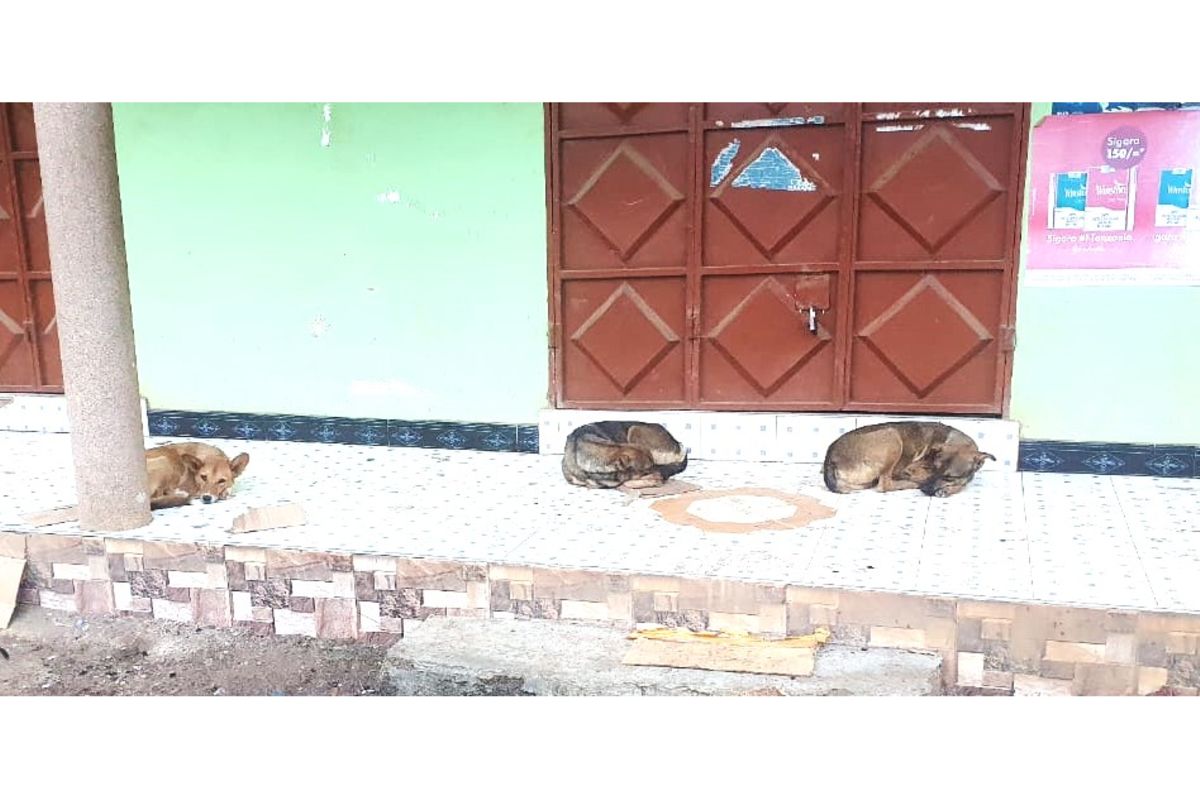 Free Dog Vaccination Campaign Launched Across Arusha to Eliminate Rabies
 Preparing Tanzania for the Future of Precision Medicine and Genomics