
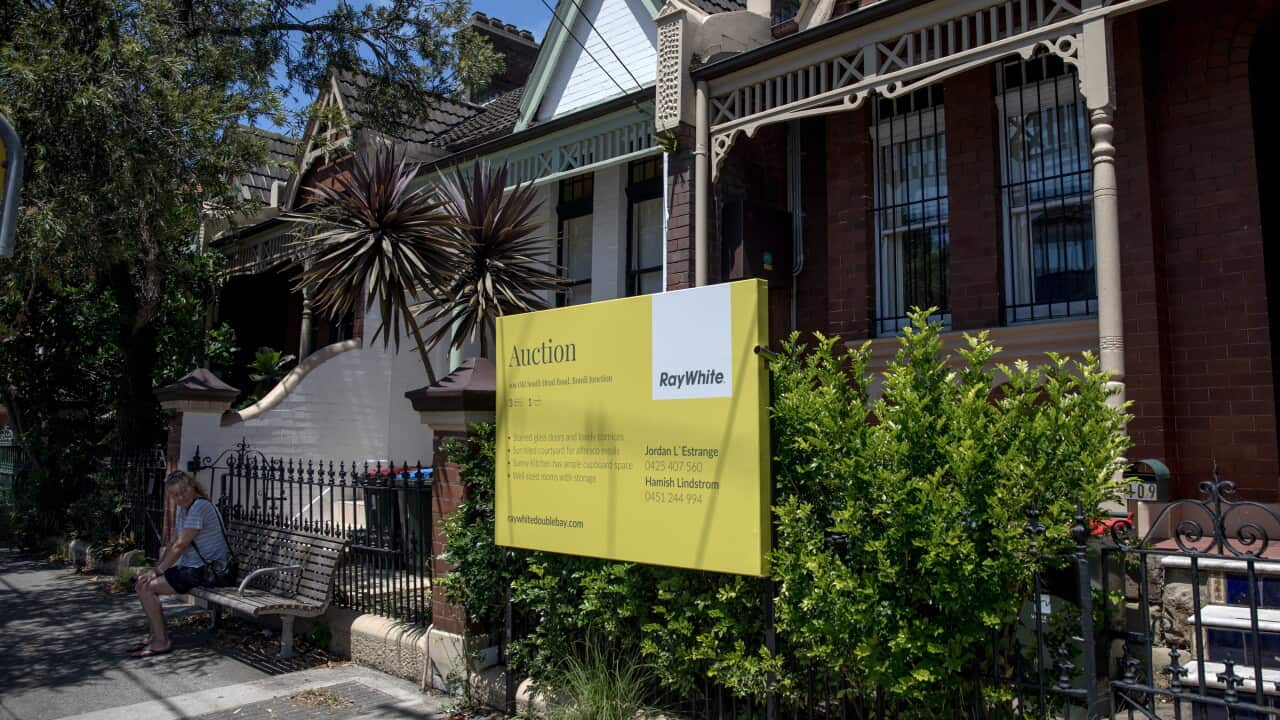
 Falling House Prices Fail to Offset Declining Borrowing Power for Australian Home Buyers
KillBait - News highlights delivered clearly and responsibly—no clickbait, no sensationalism

Photo: The Nightly
2026-05-24 15:38 Economy 12 


Temporary inflation dip unlikely to ease Reserve Bank concerns amid supply shocks
Fresh economic commentary suggests Australia may be about to record a temporary fall in headline inflation, but economists warn this will do little to ease the Reserve Bank of Australia’s (RBA) underlying concerns.Forecasts from NAB, CBA and ANZ indicate that the consumer price index (CPI) could ease from 4.6 per cent in March to around 4.3–4.4 per cent in April.
This anticipated decline is largely attributed to a temporary reduction in fuel excise, which cut petrol prices by around 32 cents per litre and drove a near nine per cent monthly fall in fuel costs.However, economists stress that this relief is short-lived and does not reflect broader inflationary pressures.Underlying inflation is expected to edge higher, rising from 3.3 per cent to 3.4 per cent, driven by increased costs in areas such as new dwelling construction and private health insurance premiums.Analysts also highlight that public transport fare reductions in some states may slightly dampen monthly inflation figures.Westpac, however, is more cautious, forecasting a higher annual CPI outcome of 4.8 per cent.The RBA remains focused on persistent price pressures and the risk that businesses continue passing higher costs onto consumers.
At the same time, global supply disruptions, including ongoing tensions affecting the Strait of Hormuz, are contributing to volatility in energy markets.
Commodity analysts warn oil prices could escalate significantly if disruptions persist, with projections ranging from US$105 per barrel to as high as US$200 in extreme scenarios.Domestically, signs of economic softening are emerging, with unemployment rising from 4.3 per cent to 4.5 per cent and forecasts of a 1.3 per cent monthly contraction in household spending.Despite a brief boost in global equity markets, Australian share futures have declined, reflecting broader uncertainty.
Overall, economists suggest that while headline inflation may temporarily ease, structural pressures and global risks continue to complicate the RBA’s policy outlook.
2224
Original title: Experts say temporary fall in inflation won’t ease RBA fears
The AI system has determined that this news is not clickbait/sensationalist: : The original title is factual and descriptive, accurately summarising the article’s main point without using sensationalist language or exaggeration. It directly reflects the economic theme of inflation and Reserve Bank concerns. This has coincided with the opinion of the majority of users.
You may also be interested in...
Falling House Prices Fail to Offset Declining Borrowing Power for Australian Home Buyers
 Taxing work and capital gains differently is argued to support growth
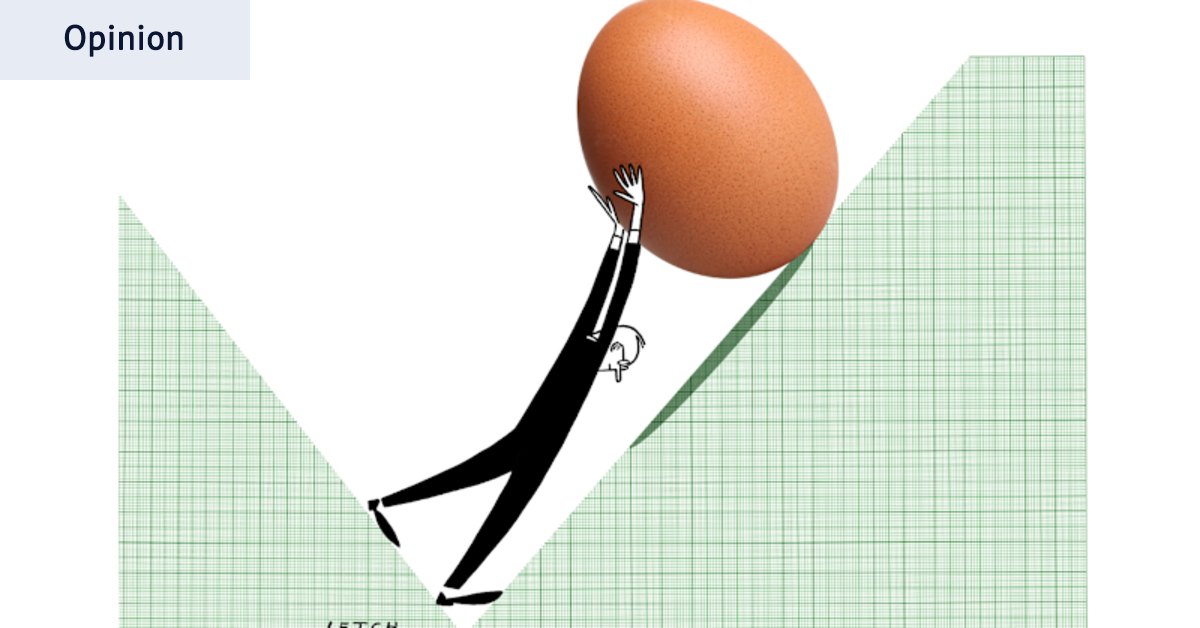 Considering a Self-Managed Super Fund: Costs, Risks and Alternatives