
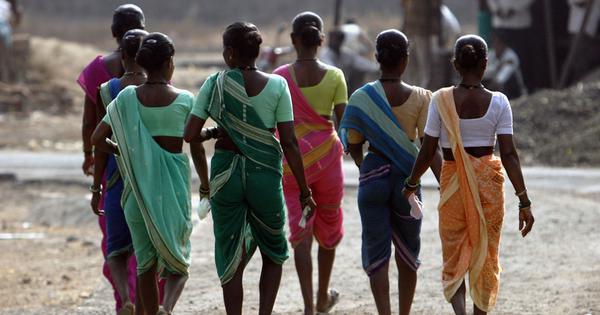
 Adivasi identity and resistance: A historical analysis of cultural preservation in India
KillBait - News highlights delivered clearly and responsibly—no clickbait, no sensationalism
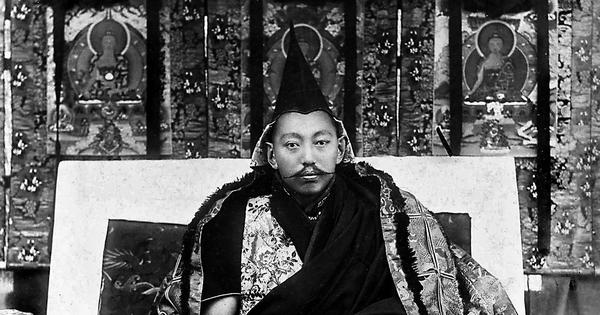
Photo: Scroll.in
2026-07-15 10:32 History 14


The 13th Dalai Lama's 1910 Escape to India and His Return to Tibet
The article chronicles the historical journey of the 13th Dalai Lama, Tenzin Gyatso, who fled Tibet for India in 1910, years before his successor, the 14th Dalai Lama, made a similar escape in 1959.
It details the political turmoil in Tibet during the collapse of the Qing Dynasty, which led to the Dalai Lama's decision to seek refuge in India.
The piece highlights his complex relationship with British colonial authorities, who initially offered limited support but later recognized Chinese suzerainty over Tibet.The Dalai Lama's return to Tibet in 1913 marked a significant moment, as he reasserted control over the region after the Chinese withdrawal.The article also touches on his later efforts to gain international recognition for Tibet's independence, which were ultimately unsuccessful.
The narrative underscores the intersection of religion, politics, and colonialism in the region's history, providing context for the Dalai Lama's enduring legacy as both a spiritual leader and a political figure.
The piece emphasizes the broader implications of his actions, including the impact on Tibetan autonomy and the ongoing tensions between Tibet and China.
2258
Original title: The 13th Dalai Lama fled Tibet for India long before his successor’s famous escape
The AI system has determined that this news is not clickbait/sensationalist: : The original title is informative and factual, focusing on historical events without sensationalist language. It accurately reflects the article's content about the Dalai Lama's escape and its historical context. This has coincided with the opinion of the majority of users.
You may also be interested in...
Adivasi identity and resistance: A historical analysis of cultural preservation in India
 Political Defections and ED Summons: TMC Factional Struggles
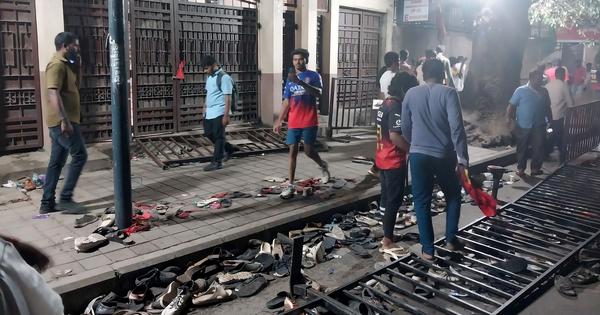 Karnataka Government Clears Three Police Officers in Bengaluru Stampede Case