
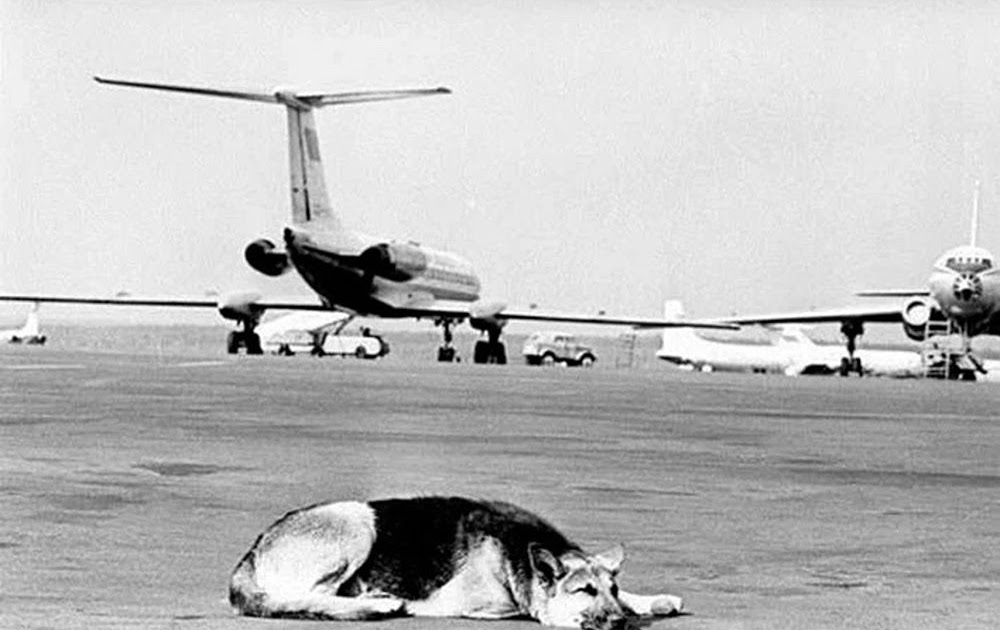
 Palma the Dog Became a Symbol of Loyalty After Waiting Two Years at Moscow’s Vnukovo Airport
KillBait - News highlights delivered clearly and responsibly—no clickbait, no sensationalism
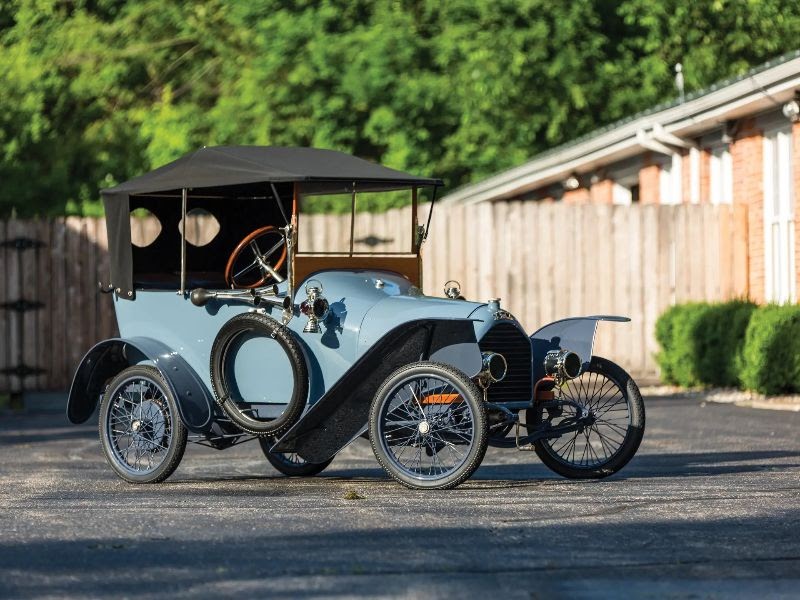
Photo: vintag.es
2026-05-31 04:04 History 21 


The 1914 Peugeot Bébé and the Birth of the Early Affordable City Car
The 1914 Peugeot Bébé was an important milestone in early automotive history, representing one of the first attempts to make motoring accessible to a broader public during the Edwardian era.
Designed by the renowned Ettore Bugatti and produced by Peugeot, this small and lightweight vehicle stood out for its simplicity, charm, and practical engineering.
It was powered by an 855cc four-cylinder engine that delivered around 10 horsepower, which was modest even for its time, but sufficient for the lightweight design of the car.
Measuring less than three meters in length, the Bébé featured a compact body, open-top configuration, and cycle-style fenders that gave it a distinctive and elegant appearance.
Despite its small size, it was considered surprisingly usable and enjoyable to drive, especially in urban environments where larger vehicles were less practical.
Its design philosophy emphasized accessibility, affordability, and ease of use, making it an early precursor to what would later become known as the city car.
The collaboration between Peugeot and Bugatti combined industrial manufacturing capability with artistic automotive design, resulting in a vehicle that was both functional and aesthetically appealing.The 1914 Peugeot Bébé is often remembered not only for its technical specifications but also for its role in democratizing personal transportation.
The vintage photographs associated with the model highlight its unique proportions and pioneering spirit, capturing a moment when the automobile was beginning to transition from a luxury item into a more common means of transport for everyday people.
2343
Original title: 1914 Peugeot Bébé: The Charming Pioneer of Small Cars
The AI system has determined that this news is not clickbait/sensationalist: : The original title is descriptive and factual, clearly presenting the subject of the article without sensationalism or exaggerated claims, so it is not considered clickbait. This has coincided with the opinion of the majority of users.
You may also be interested in...
Palma the Dog Became a Symbol of Loyalty After Waiting Two Years at Moscow’s Vnukovo Airport
 Kodachrome Photographs Document Daily Life and Landmarks in San Francisco During 1965
 The Delayed Burial and Controversy Over Buffalo Bill Cody’s Final Resting Place