
 1948 MG TC Special Roadster: A Classic Postwar British Roadster
KillBait - News highlights delivered clearly and responsibly—no clickbait, no sensationalism
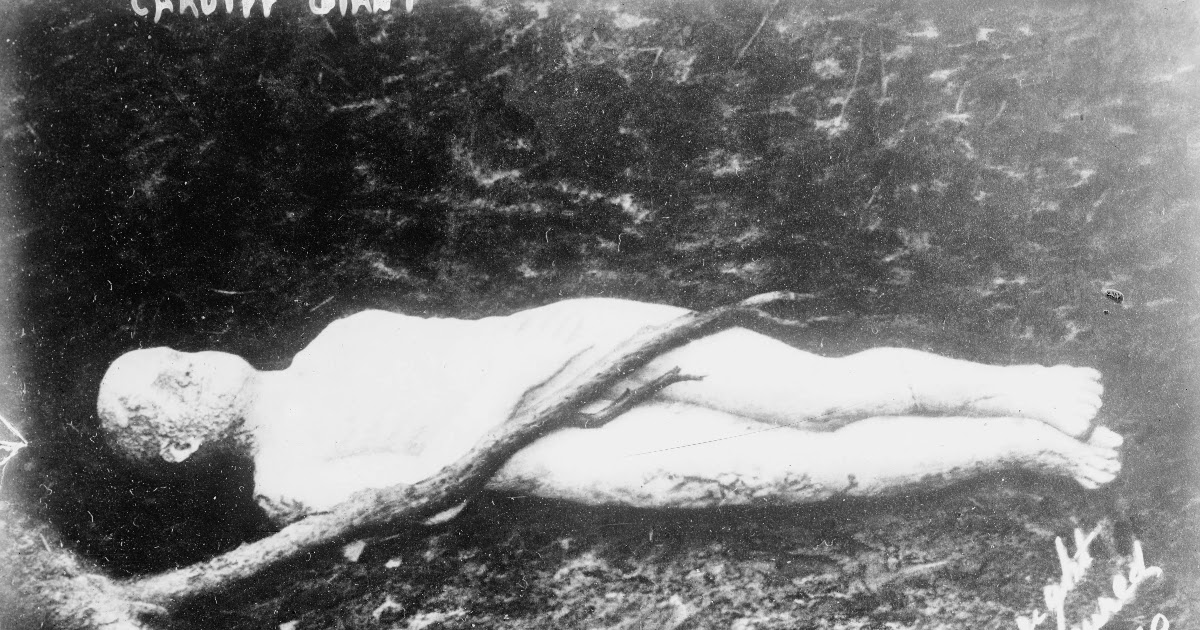
Photo: vintag.es
2026-05-20 12:57 History 27 


The Cardiff Giant: The Story Behind America’s Famous 19th-Century Hoax
The Cardiff Giant was a 10-foot-tall gypsum statue that became one of the most notorious archaeological hoaxes in U.S.history.It was “discovered” on October 16, 1869, on a farm in Cardiff, New York, and was presented as the petrified remains of an ancient giant.
The hoax was orchestrated by George Hull, a cigar manufacturer, who sought both to mock literal interpretations of the Bible and to profit from public curiosity.Hull had a 5-ton block of gypsum carved in his likeness, treated it to simulate aging, and planted it on William Newell’s farm.
When workers excavated it a year later, news spread quickly, and Newell began charging visitors, attracting thousands who believed they were seeing a biblical giant.Even P.T.
Barnum attempted to buy the giant for $50,000, and when rebuffed, created a replica and claimed it was the real giant, leading to a legal battle that highlighted the absurdity of the situation.Scientists soon identified the figure as a hoax, noting fresh chisel marks and the unsuitability of gypsum for long-term burial.Hull admitted to the deception in December 1869, yet the giant remained a popular attraction.
Today, the original statue is displayed at The Farmers’ Museum in Cooperstown, New York, while Barnum’s replica resides at Marvin’s Marvelous Mechanical Museum in Michigan.
2394
Original title: The Cardiff Giant, One of the Most Famous Archaeological Hoaxes in American History
The AI system has determined that this news is not clickbait/sensationalist: : The original title accurately describes the subject of the article without exaggeration or sensationalism, making it informative rather than clickbait. This has coincided with the opinion of the majority of users.
You may also be interested in...
1948 MG TC Special Roadster: A Classic Postwar British Roadster
 The Story of Y Bwthyn Bach, Queen Elizabeth II’s Childhood Cottage in Windsor Great Park
 Grigori Rasputin: Historical Portraits and His Role as Advisor to the Russian Imperial Family