
 Supreme Court expresses concern over judicial rulings on grooming cases
KillBait - News highlights delivered clearly and responsibly—no clickbait, no sensationalism
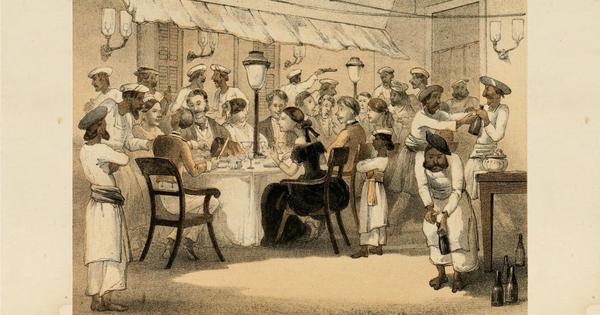
Photo: Scroll.in
2026-07-14 22:05 Gastronomy 14


The Evolution of Madras Curry: From Colonial Kitchens to Global Fame
The article explores the fascinating history of Madras Curry, tracing its origins to the 18th-century colonial kitchens of Madras (now Chennai).It highlights how the dish emerged from the intersection of European colonialism and India's caste system, blending European and Indian culinary traditions.
European officials and traders, often regarded as 'untouchables' by caste Hindus, formed close ties with lower-caste domestic workers, leading to the creation of a hybrid food culture.The dish incorporated Indian spices, coconut, and meat, tailored to European tastes.Key figures like memsahibs (European wives) and cooks like Ramasamy played pivotal roles in popularizing the curry.
The article also notes the global spread of Madras Curry, including its adoption by the Prince of Wales and its commercialization through brands like Vencatachellum.
The narrative underscores the complex interplay between colonialism, caste, and culinary exchange, revealing how a dish once deemed 'pariah food' became a global staple.
2257
Original title: ‘Madras Curry’: How an ‘untouchable’ food became a global dish
The AI system has determined that this news is clickbait/sensationalist: : The original title uses 'untouchable' as a provocative term, which is both sensational and historically reductive, making it clickbait. This has coincided with the opinion of the majority of users.
You may also be interested in...
Supreme Court expresses concern over judicial rulings on grooming cases
 Peterborough City Council Sells Hindu Temple Complex to Islamic Charity, Promises Alternative Premises
 Bengal politician records voice sample amid legal probe into election remarks