
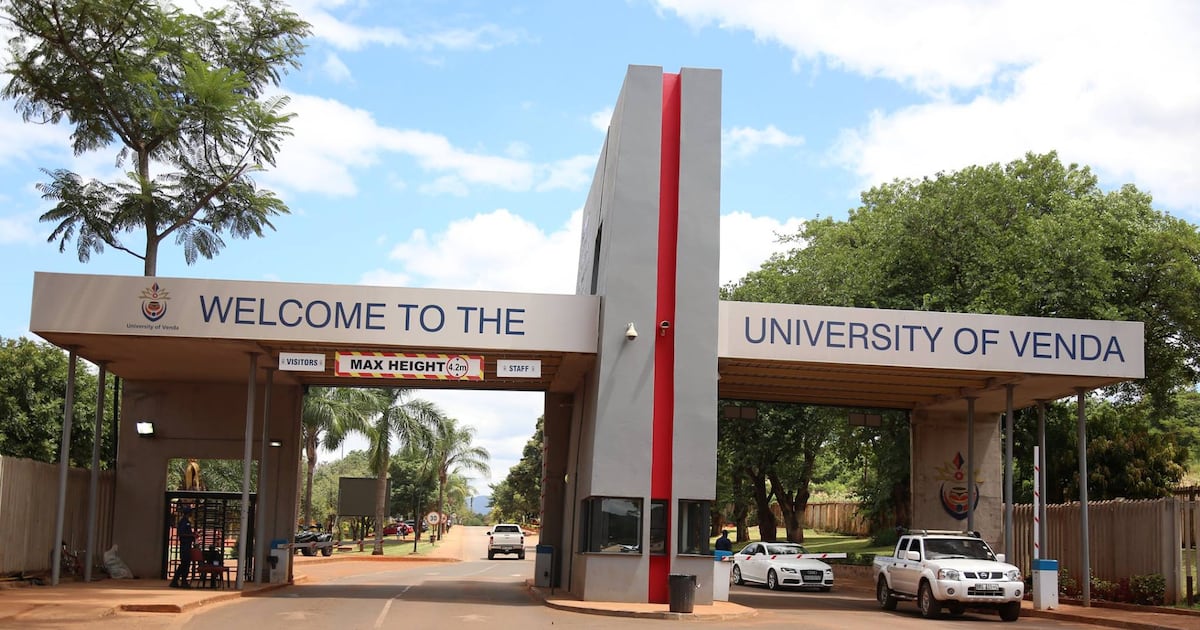
 University of Venda's Convocation Election Mired in Allegations and Legal Disputes
KillBait - News highlights delivered clearly and responsibly—no clickbait, no sensationalism
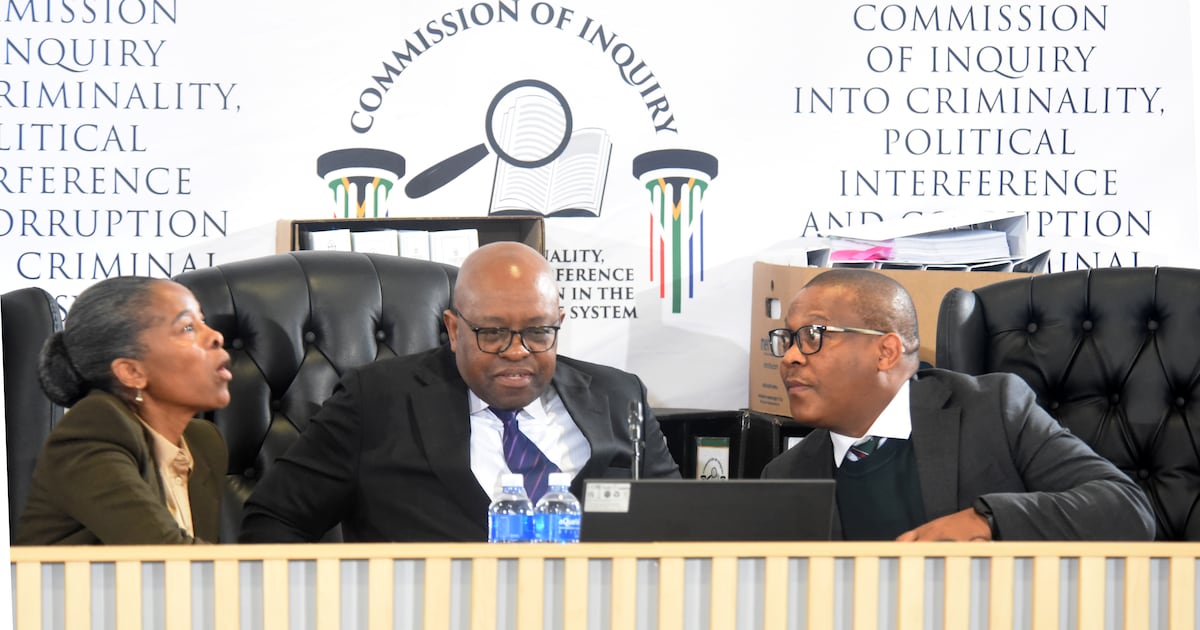
Photo: TimesLIVE
2026-07-19 06:29 Opinion 10


The Flawed Comparison Between Zondo and Madlanga Commissions: A Call for Contextual Analysis
Cornelius Monama argues that comparing the Zondo and Madlanga commissions is inherently flawed due to their differing mandates, resources, and outcomes.
The Zondo commission, established to investigate state capture across the entire South African state, uncovered extensive corruption involving institutions like Eskom, Transnet, and Sars.
It relied on procurement records, financial transactions, and correspondence to reconstruct years of systemic corruption, leading to over 300 testimonies, R17bn in recoveries, and institutional reforms.
In contrast, the Madlanga commission focuses narrowly on law-enforcement failures and benefits from modern technology like WhatsApp for communication.
Monama criticizes the narrative that the Zondo commission was ineffective, emphasizing its unprecedented scope and impact, including 200+ criminal referrals and strengthened anti-corruption frameworks.
The article stresses the importance of evaluating commissions based on their specific terms of reference rather than superficial comparisons, highlighting the need for honest analysis grounded in context.
2186
Original title: CORNELIUS MONAMA | Fundamental flaw in comparing Zondo and Madlanga commissions
The AI system has determined that this news is not clickbait/sensationalist: : The original title is informative and directly references the article's core argument without sensationalism or hyperbolic language. This has coincided with the opinion of the majority of users.
You may also be interested in...
University of Venda's Convocation Election Mired in Allegations and Legal Disputes
 A tribute to Sheikh Hamad bin Khalifa Al Thani: Qatar's visionary leader and legacy
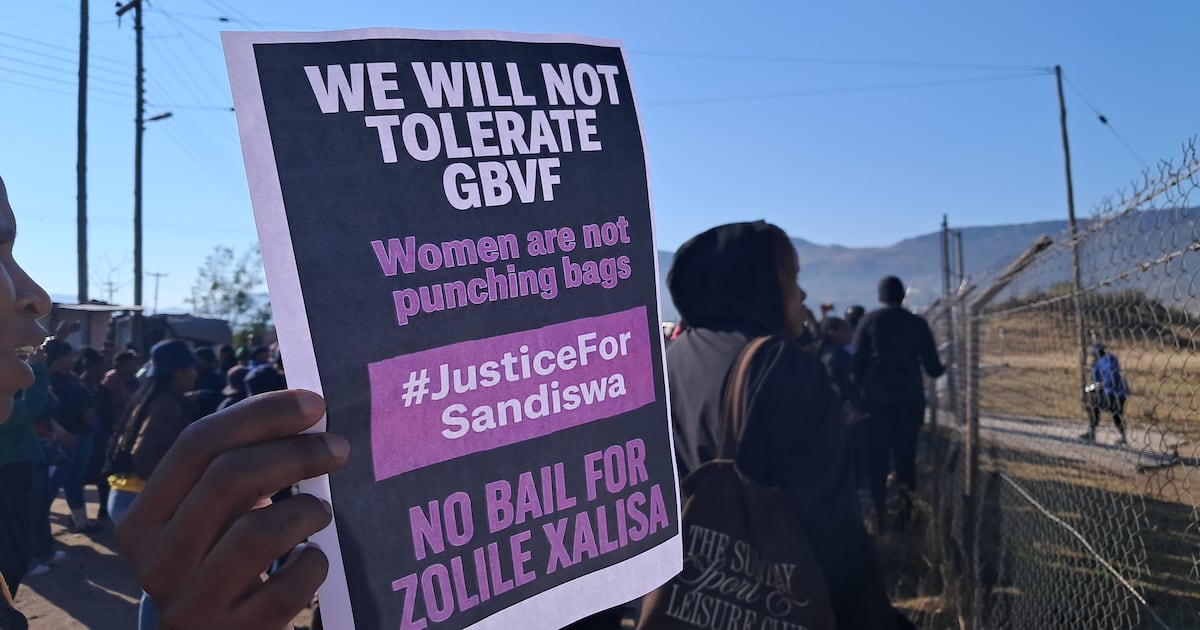 Recognizing emotional abuse as domestic violence