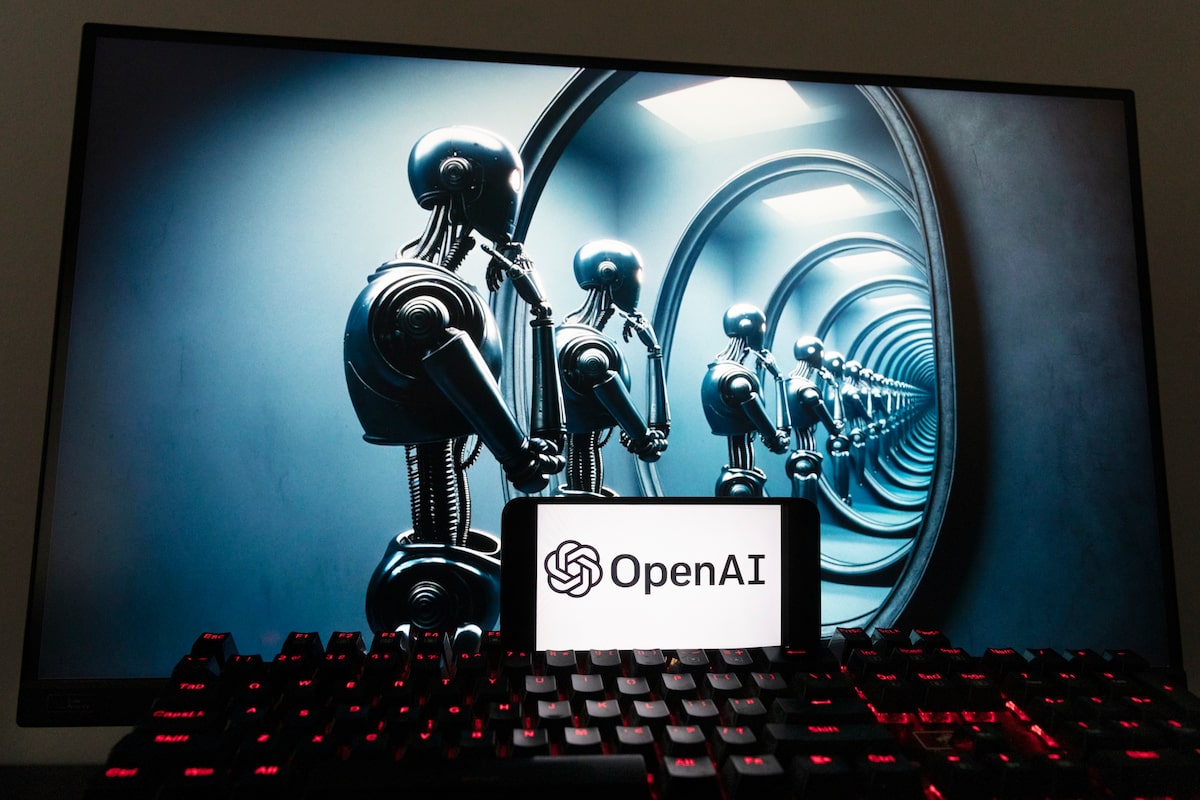
The Growing Impact of AI on Human Decision-Making and Critical Thinking
The concept of 'cognitive surrender,' originally used by theologian Peter L.Berger to describe compromises in faith within pluralistic societies, has been repurposed to describe the modern human reliance on artificial intelligence for reasoning.
A recent study from Wharton demonstrated that people tend to trust AI outputs, even when they contain errors, highlighting a growing willingness to outsource decision-making.Experts warn that while AI offers convenience and accuracy in many areas, excessive reliance could diminish our critical thinking skills over time.
This phenomenon is compared to the introduction of calculators decades ago, which reduced the need to perform certain mental calculations, raising concerns about the functions AI may replace in human cognition.
Beyond practical tasks, cognitive surrender extends to emotional and social decisions, such as seeking advice from therapists or friends, as AI becomes a trusted surrogate in areas requiring human judgment.This gradual shift challenges our autonomy, potentially reshaping identity and social interactions.
Scholars and technologists emphasize the need to remain aware of when technology aids us versus when it supplants essential reasoning skills, urging caution in the delegation of critical thinking to AI systems.
Full reading at The Globe and Mail

2224


