
 Everyday Life in 1970s Cuba Through Rare Documentary Photography
KillBait - News highlights delivered clearly and responsibly—no clickbait, no sensationalism
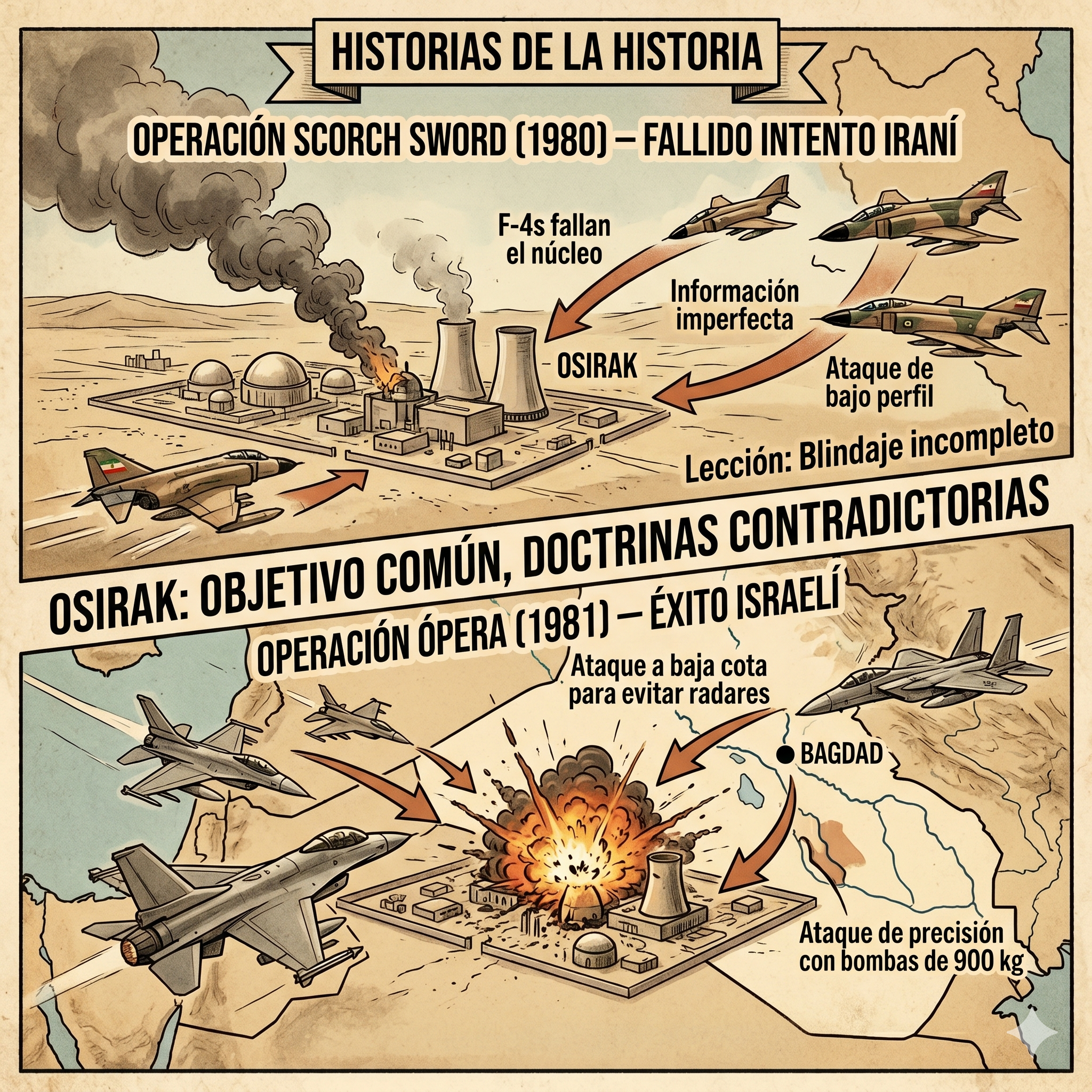
Photo: Historias de la Historia
2026-06-22 16:26 History 12 


The Historical Evolution of Iran's Nuclear Program and the Origins of Preventive Nuclear Strikes in the Middle East
The article examines the history of Iran’s nuclear program, emphasizing the shifting alliances and strategic interests that have shaped its development.
It begins with the United States' 'Atoms for Peace' initiative in the 1950s, through which Washington helped Iran establish its first civilian nuclear capabilities during the reign of Shah Mohammad Reza Pahlavi.At the time, Iran was considered a reliable Western ally, and its nuclear ambitions were viewed as legitimate and peaceful.Following the 1979 Iranian Revolution, however, the same nuclear infrastructure came to be seen by the United States as a potential security threat.
The article highlights a lesser-known episode during the Iran-Iraq War, when Iran and Israel briefly shared a common interest in preventing Iraq from developing nuclear capabilities.In 1980, Iranian aircraft attacked Iraq’s Osirak reactor, causing limited damage.Intelligence gathered afterward reportedly contributed to Israel’s planning of Operation Opera in 1981, which destroyed the reactor.
According to the article, this event helped establish the Begin Doctrine, under which Israel asserted the right to carry out preventive strikes against hostile states seeking weapons of mass destruction.The author argues that Iran indirectly benefited from this doctrine at the time but later became one of its primary targets.
The article then traces Iran’s renewed nuclear efforts from the late 1980s onward, including the controversy surrounding undeclared facilities revealed in 2002.
It concludes by discussing more recent military actions against Iranian nuclear sites and argues that the Iranian nuclear issue reflects geopolitical interests, strategic calculations, and political contradictions rather than simply the dangers of nuclear technology itself.
Full reading at Historias de la Historia
2224
Original title: El extraño caso del átomo iraní: cuando Washington fue el «padre» y Jerusalén el socio silencioso
The AI system has determined that this news is clickbait/sensationalist: : The original title uses dramatic and intriguing language such as 'strange case,' 'father,' and 'silent partner' to attract curiosity and encourage clicks. While it reflects the article's content, it is framed in a sensationalized way rather than as a straightforward description of the historical topic. This has coincided with the opinion of the majority of users.
You may also be interested in...
Everyday Life in 1970s Cuba Through Rare Documentary Photography
 Jayne Mansfield's 1957 Entertainment Tour of U.S. Military Bases in South Korea
 How Automotive Advertising in the 1970s and 1980s Relied on Sex Appeal and Double Entendres